The government intends to “use all” the funds from the European Union (EU)’s concessional loans for public procurement in defence – €6 billion euros – on re-equipping its armed forces up to 2035.
Speaking to Lusa news agency, finance minister Joaquim Miranda Sarmento said: “Our plan is to implement the armed forces re-equipment programme using all SAFE (Security Action Facility for Europe) funds.”
“We will seek to implement this programme in its entirety, which is primarily funded through SAFE, although part of it comes from the State Budget. (…) We will also see if other European funds are available for this area,” he added.
According to the minister, this investment “has already begun.”
“This year, we will already reach the target of 2% of GDP for total defence spending,” equivalent to 20% of total investment and 0.4% of national GDP, and “then it will be a gradual effect that will be felt more and more over the years.”
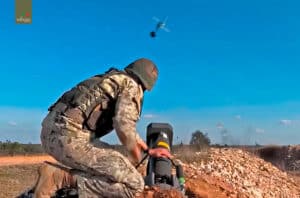
Defence Minister Nuno Melo has already discussed the projects, aligned with NATO’s objectives, for the three branches of the armed forces (Army, Navy, Air Force).
They include investment in equipment, housing and defence assets.
SAFE has a total budget of €150 billion, created to support member states that wish to invest in industrial production in the defence sector through joint procurement, focusing on priority capabilities.
The loan package is expected to facilitate joint purchases of military equipment between member states and will be financed through joint debt issued by the EU and then transferred in the form of credits to member states that request them.
This new credit instrument for extraordinary circumstances is one of the measures in the €800 billion EU defence plan.
This plan also includes €650 billion in budgetary space that countries can use to invest in defence – following the activation of the national safeguard clause in EU budgetary rules – which allows for the exclusion of up to 1.5% of GDP in military spending from deficit limits. Lisbon has already received the green light from Brussels to do this.
source: LUSA