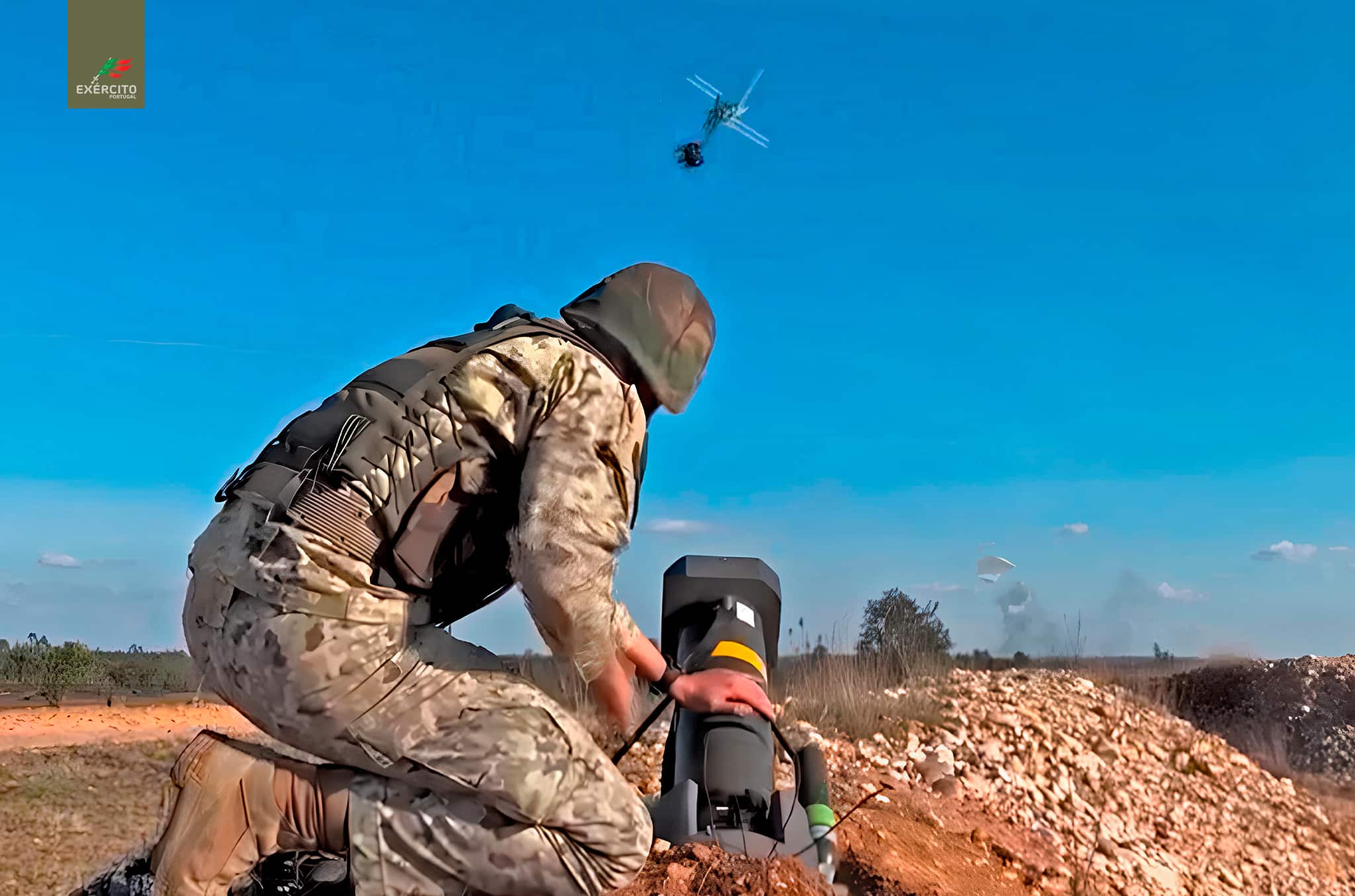
The Portuguese Army successfully tested an attack drone for the first time on Wednesday and announced plans to establish units dedicated to drones and anti-drone systems, increasing recruitment and training as part of a modernisation drive.
Speaking to Lusa at the Santa Margarida Military Camp in Constância, Santarém, Chief of the Army Staff General Eduardo Mendes Ferrão said the force was preparing for the future. He confirmed the successful trial of attack drones, a capability in which the Army is investing heavily.
The announcement coincided with the first-ever multinational exercise involving Portuguese land forces, alongside Spain and France, where an attack drone, or ‘loitering munition’, was deployed.
General Ferrão stressed the Army’s commitment to innovation and technological autonomy, noting it was acquiring existing market solutions while also developing systems made entirely in Portugal, involving national industry and technology.
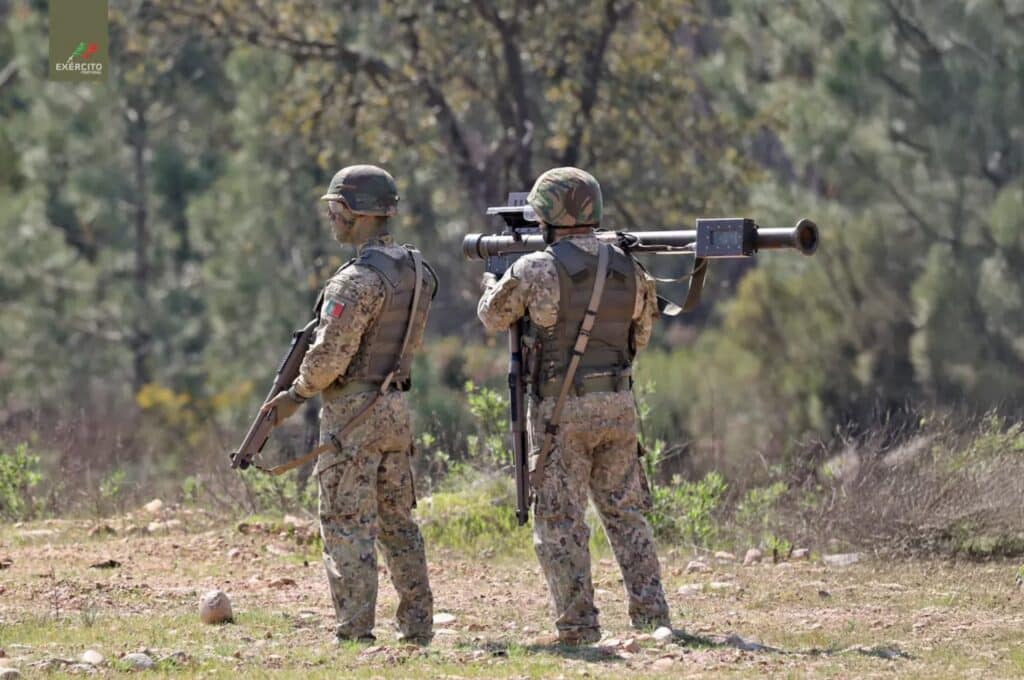
The test took place during Strong Impact 2026, the Army’s largest annual artillery exercise, which brought together 417 personnel, including Spanish and French troops, with live-fire drills integrated with unmanned systems.
These drones can remain airborne, identify targets in real time, and strike at the optimal moment, offering precision and reduced collateral damage compared with traditional systems.
“Current conflicts show that artillery remains relevant,” said General Mendes Ferrão. “But it must be modernised.” He outlined broader plans, including the acquisition of new howitzers, anti-aircraft missiles, command and control systems, and the development of anti-drone capabilities, with first deliveries expected next year.
“In a digitalised war, we need command and control systems that integrate effectively with other weapons and allies,” he added.
The Army chief identified personnel as the greatest challenge, highlighting the need for both numbers and operational quality. He said the Army was investing in training, exercises, and the rapid update of doctrines and procedures to operate these systems effectively.
Colonel Nelson Rego, director of Strong Impact, called the initiative pioneering. Portugal is among the first NATO nations to deploy attack drones, he said, giving the country a competitive edge. He described the systems as “a radical change” in procedures, allowing commanders to monitor and strike targets until the last moment.
The exercise also featured surveillance drones developed by Portuguese companies, as part of partnerships with domestic industry to expand military capabilities.
General Ferrão concluded that integrating drones, anti-drone systems, and new artillery platforms is “essential to ensure operational readiness and interoperability with NATO allies.”