Firefighters are to have an operational command in the reorganisation of ANEPC, the country’s emergency and civil protection authority which came in for such criticism over its management of last summer’s wildfires.
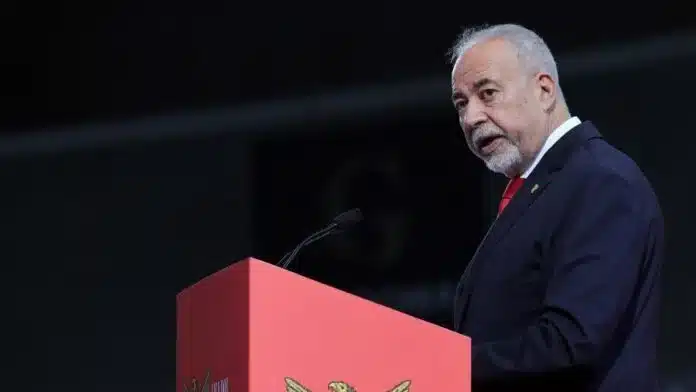
Prime minister Luís Montenegro made the announcement today at the opening of the 45th Congress of the League of Portuguese Firefighters, which has made it clear that this event will mark a turning point in the league’s efforts to win its members the level of recognition and respect that they lack.
The PM told the congress: “We are discussing internally a new framework that will clarify responsibilities with a view to greater operational coordination and greater territorial and functional coherence of the national emergency response system”.
As part of the organisational restructuring of ANEPC, “an operational command with two aspects will be created: the essential aspect of civil protection, but also an aspect of command at the level of the fire department, in the management of operations,” he said, making no reference to the fact that these are changes that firefighters themselves have suggested.
The ‘atmosphere’ between the government and firefighters is tense, in that the former owe the latter around €27 million for ‘extraordinary expenses’ incurred during the summer fires, and for the 25% pay increase promised to firefighters that fought them. Mr Montenegro told the congress that this money will be available “in the coming days”. He also outlined a programme for the acquisition of forestry vehicles for the areas most affected by the summer fires.
Among the measures listed, the prime minister referred to the creation of a legal framework that would establish the professional careers of permanent employees of the firefighter association movement.
“We have taken on this challenge and we will do so with the aim of ensuring greater stability, more opportunities for progression and, therefore, also a greater ability to attract and retain human resources, because without attracting and retaining human resources, the sustainability of the entire sector will be called into question,” he said.
The government also intends to promote the professionalisation of first response with the aim that “in each municipality there are at least three permanent response teams” and to ensure permanent funding for fire departments to avoid “always talking about extraordinary funding.”
Mr Montenegro said that the government intends to streamline procedures for financial transfers from the Firefighter Social Protection Fund to ensure “faster and more effective payments,” promote increased training and capacity building for firefighters, and that it will continue next year to try to strengthen the special rural firefighting resources and the Special Civil Protection Force, which he admitted to “tripling or quadrupling.”
According to Mr Montenegro, these are all measures that reflect the government’s commitment that the programme planned for firefighters “is to be taken seriously, is to be implemented in partnership with all representatives of this movement.”
The LBP congress runs until Sunday “at a time of great dissatisfaction” among volunteer firefighters who are demanding answers from the government on funding, careers, and support for volunteers, Lusa points out.
LBP president António Nunes has already made it clear that a decision will be made at this congress (which runs until tomorrow) over whether to hold protests if the government does not provide the kind of guarantees his profession is looking for. In other words, Mr Montenegro’s assurances that the government’s commitment “is to be taken seriously” has to be understood in this context. If firefighters do not think the government is genuinely focused on improving their lot, they will take action.