Two years ago, Portugal’s then prime minister António Costa appealed to the European Commission for housing to be considered one of the Commission’s priorities as it represented an “elevated weight on the income of families”. He didn’t get the response he was hoping for, but two years on, and the situation has become much more acute – and Brussels has come to realise that governments on their own and local power have failed.
A Brussels’ report revealed that house prices in Portugal are currently “over-valued by around 35%”; indeed, they are among the most over-inflated when it comes to prices in the whole of Europe, which are also suffering from over-inflated prices.
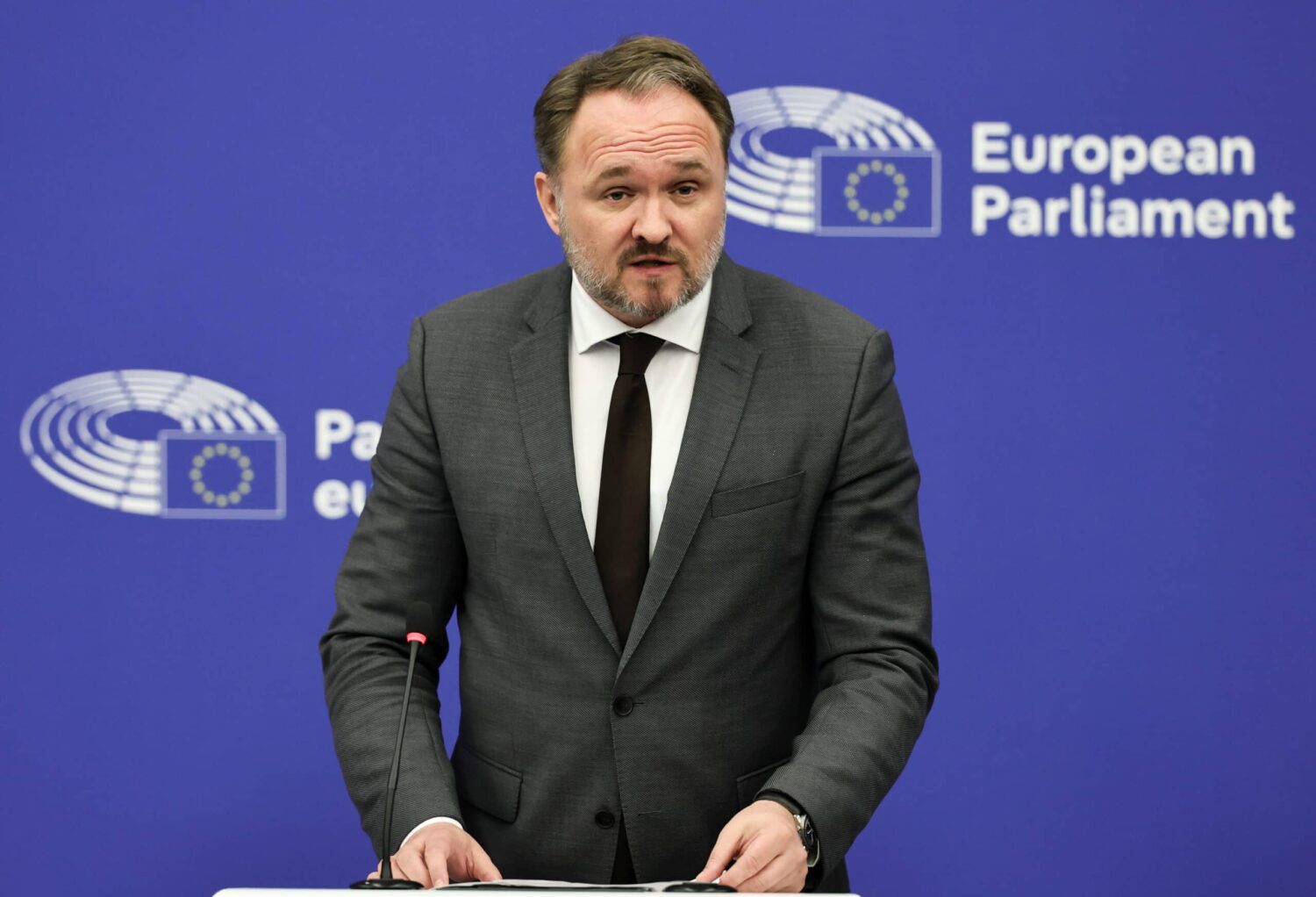
Thus, the European Commission is scrambling to ‘catch-up’ with the conundrum traced out by Mr Costa in 2023 – and which has now, in the words of Dan Jørgensen, European Commissioner for Energy and Housing, led to “a social crisis in Europe”.

The Commission’s recent report “Housing in the European Union: Market Developments, Underlying Drivers, and Policies” honed in on just how critical the situation in Portugal has become: not only are property prices exponentially over-inflated, there has also been a “deterioration in access to housing”.
“In a decade, the house price-to-income ratio has increased by 20% and borrowing capacity has decreased. At least 85% of loans had an effort rate of 50%,” or even more, meaning half of people’s incomes are going on securing a roof over their heads.
And this is the crunch-point: “There is evidence that Portugal is the EU country where tourism has had the greatest impact on house prices,” says the text, stressing that the expansion of home-sharing platforms “contributes to an increase in rents and house prices in some prime locations”.
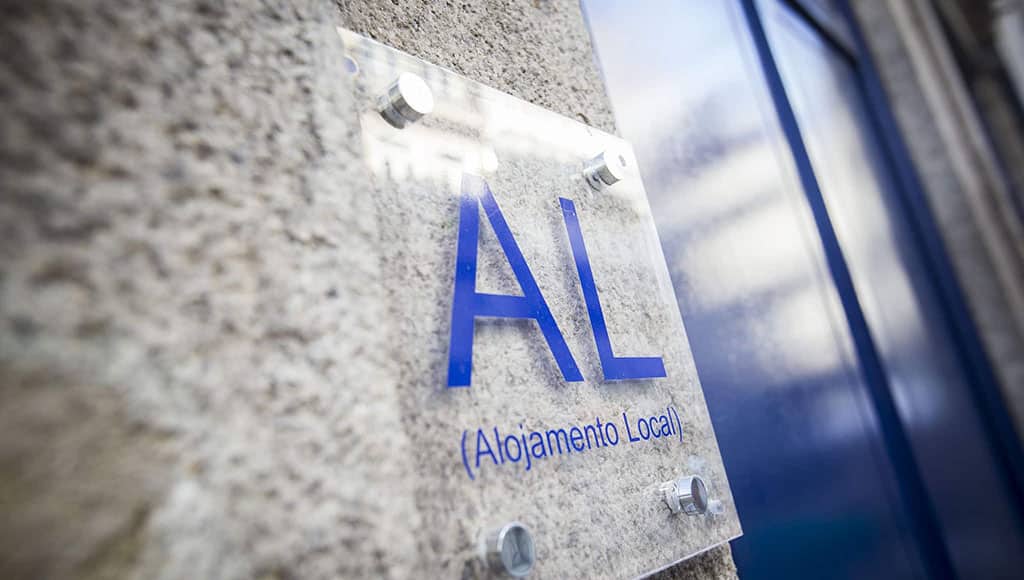
This is where our headline comes in: home-sharing platforms are another term for ‘AL’ (Alojamento Local) or ‘holiday rentals’ – the practice PS Socialists tried to rein in sharply with their ‘Mais Habitação’ programme, but which the current government essentially threw out, leaving the sector to continue to flourish.
Brussels now realises this was wrong. The Commission’s reasoning is intensely political. Dan Jørgensen has talked about the need to “protect tenants”, but the reality is more the need to protect Europe’s political base.
“If we don’t, as policymakers, take this problem seriously and acknowledge that this is a social problem and needs action, then … the anti-EU populists will win,” Jørgensen told a group of Brussels’ correspondents last week.
Short-term rentals are just one of the areas in which Jørgensen sees margin for Brussels to intervene, Expresso has explained. The housing commissioner isn’t showing his hand quite yet “but guarantees that he will present policies, including laws, for the consequences of the increase in these types of rentals, often through platforms like Booking.com or Airbnb, which are seen as a factor in the shortage of affordable homes available for long-term rental in Portugal”.
And while the AL sector has often been painted as one dominated by everyday people seeking a way of adding to their incomes, Público recently admitted that recent data shows businesses are moving further and further into the field, currently running, if not owning, hundreds of holiday rental properties – meaning less and less availability for the long-term rentals market.
European Affordable Housing Plan
The European Affordable Housing Plan is scheduled to be presented before Christmas.
Jørgensen describes it as a “wide ranging plan” where objectives are also to consider the construction sector, “and the effects of financial speculation in the property market”.
At the same time, European Commission President Ursula von der Leyen is working on altering rules regarding state help, to allow governments to take more measures to support housing.
Last week, she announced the commission is “working with the European Investment Bank to make 1.3 million new or renovated homes available throughout the European Union.
“For too many Europeans, the home has become a source of anxiety, signifying debt and/or uncertainty: there are students who give up studying because they simply cannot find accommodation, nurses, teachers and police who cannot afford to live in the communities they serve”. This is a “European challenge that needs to be faced together”, said Ms von der Leyen.
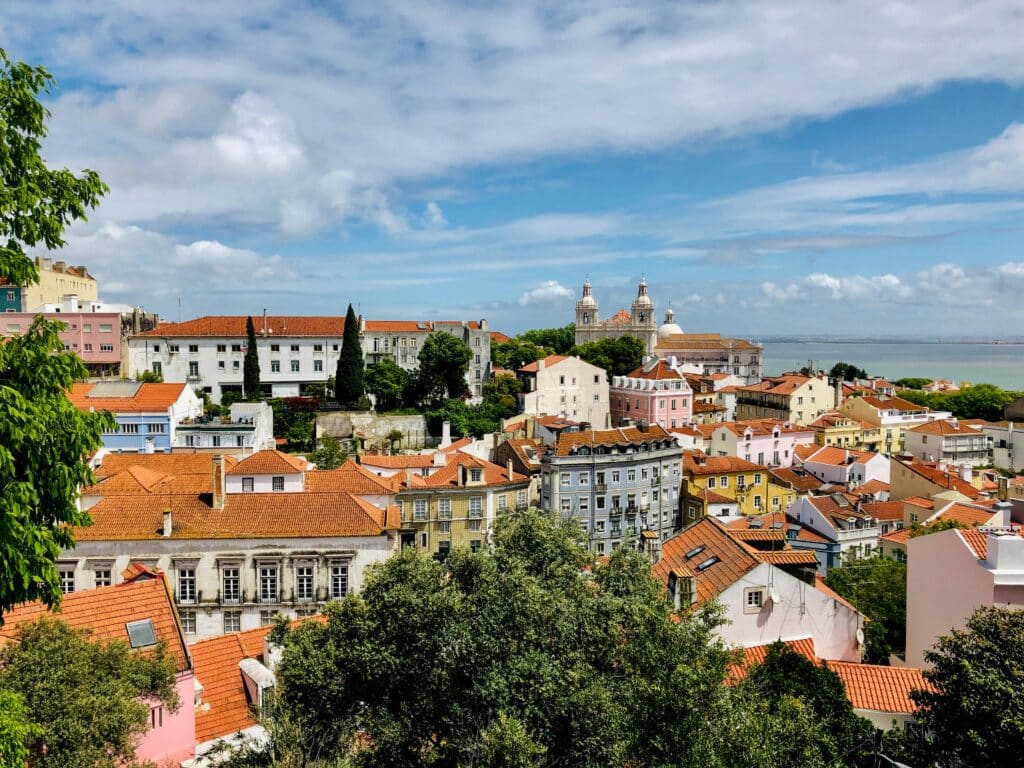
As for the specific challenge in Portugal, which in some areas (particularly Lisbon, Porto and the Algarve) means that young people cannot hope to start an ‘adult life away from home’, the European Investment Bank is considering the possibility of giving the country a new €1 billion loan for the upgrading of public housing, and rehabilitation of state properties so that they can be converted into homes.
This potential new loan follows the credit line of over €1.3 billion announced previously, to help bring roughly 12,000 homes onto the affordable rentals market.
This news will be music to the ears of many municipalities who are now facing a new four-year term in office with desperate housing needs in their boroughs, and little money to act.
In the Algarve, incoming mayor of Aljezur, Manuel Marreiros, told his supporters at a pre-election rally earlier this month: “Our plan is to go after all the European money we can get: we need help with housing, with education, with culture. There is no more time to lose.”
More than a third of AL due to ‘disappear’ anyway, says association
While the AL sector awaits decisions coming from Brussels, Eduardo Miranda of ALEP (the Portuguese AL association) explains that more than a third of AL properties “should be disappearing” shortly due to their failure to comply with new rules.
Since the end of 2023, owners of holiday homes have been required to provide proof of civil liability insurance. Around 70,000 have failed to do so, putting themselves at risk of cancellation, he explains.
It is unclear whether these properties will go on to be absorbed into the long-term rentals market, or whether they will be kept for other purposes – or even sold.
According to Miranda, there is the question of confidence to be considered, as wider authorities (usually the government, but now Brussels) keep changing the goalposts.