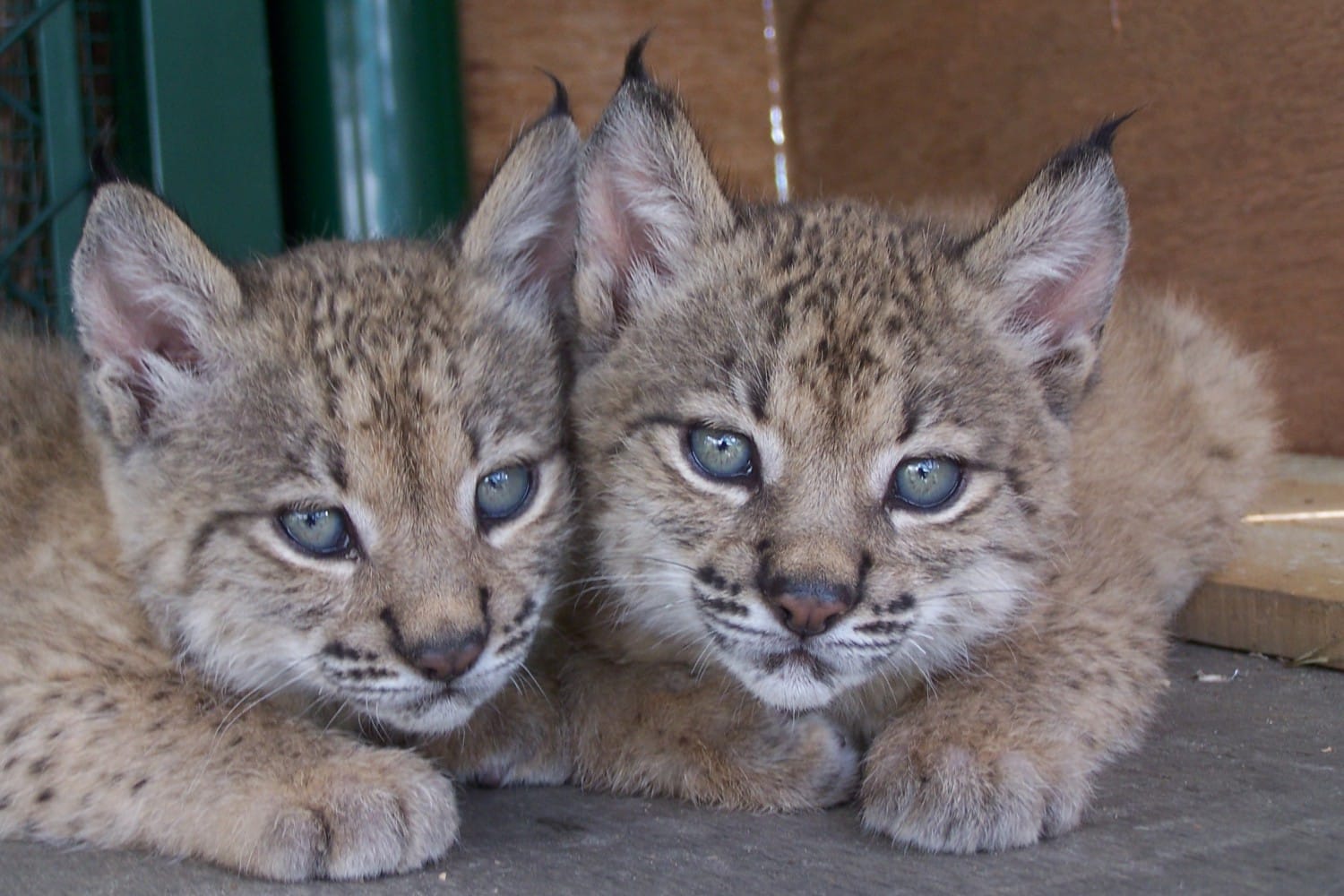
There are now over 2,400 lynxes in the Iberian Peninsula
Once on the edge of extinction, the Iberian lynx is now in a more hopeful situation than it has been in decades.
The latest joint census by Portuguese and Spanish conservation authorities reveals a remarkable 19% population jump over the past year, with 2,401 lynxes now roaming the Iberian Peninsula.
That’s up from 2,021 in 2023 – a gain of 380 animals in just 12 months – and marks another milestone for a species that counted fewer than 100 individuals just two decades ago.
Still, it’s not time to celebrate just yet, according to the scientists behind the LIFE LynxConnect project, which has played a leading role in conservation efforts in the Iberian Peninsula. To reach what’s considered a “favourable conservation status,” experts estimate the population needs to reach between 4,500 and 6,000 lynxes, including at least 1,100 breeding females. As of now, 470 reproductive females have been counted among 1,557 adult lynxes.
Thanks to these efforts, the Iberian lynx was officially reclassified in 2024, going from “endangered” to “vulnerable” on the IUCN Red List.
Of the 2,401 lynxes counted, 2,047 live in Spain, spread across regions like Castile-La Mancha (942), Andalusia (836), Extremadura (254), and Murcia (15). Portugal’s share rose as well, with 354 lynxes now living in the Guadiana Valley, up from 291 in the previous count.
The animals are expanding not just in number but in range, now breeding in 17 distinct territories, some of which are beginning to connect,” said MITECO, the Ministry of Ecological Transition and Demographical Challenge of the Spanish government, in a statement.
Despite the good news, 2024 also saw 214 lynx deaths, with 162 due to road accidents, a stark reminder of the threats still facing the species. Spanish officials called this non-natural mortality rate “still significant” and emphasised the need for stronger mitigation measures.
The recovery began with captive breeding efforts in the early 2000s, with the first releases into the wild in 2011. Since then, 403 captive-born lynxes have been set free, helping re-establish populations across the Iberian landscape.
In Portugal, the conservation efforts have been led by the Institute of Nature and Forest Conservation (ICNF), with breeding taking place at the Silves Reproduction Centre in the Algarve.