The small riverside town of Mexilhoeira da Carregação in the Algarve municipality of Lagoa is set for a significant transformation, with plans for a reactivated marina, a new hotel and an archaeology museum.
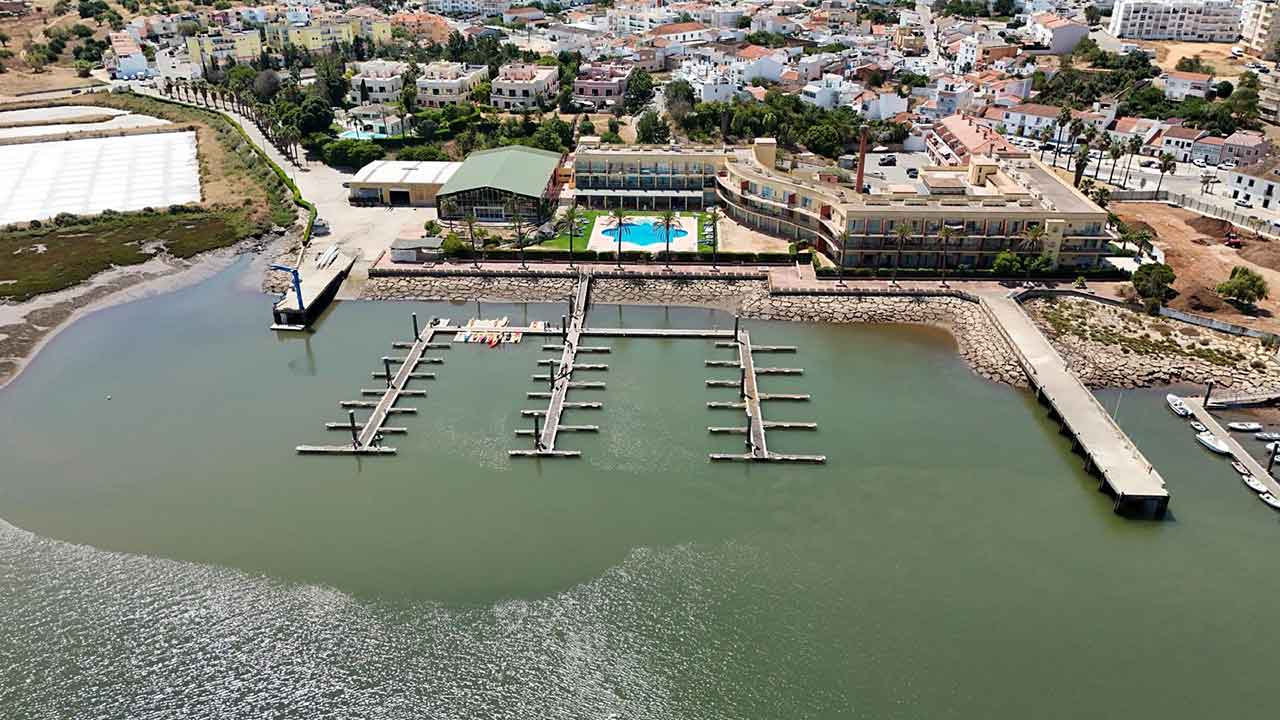
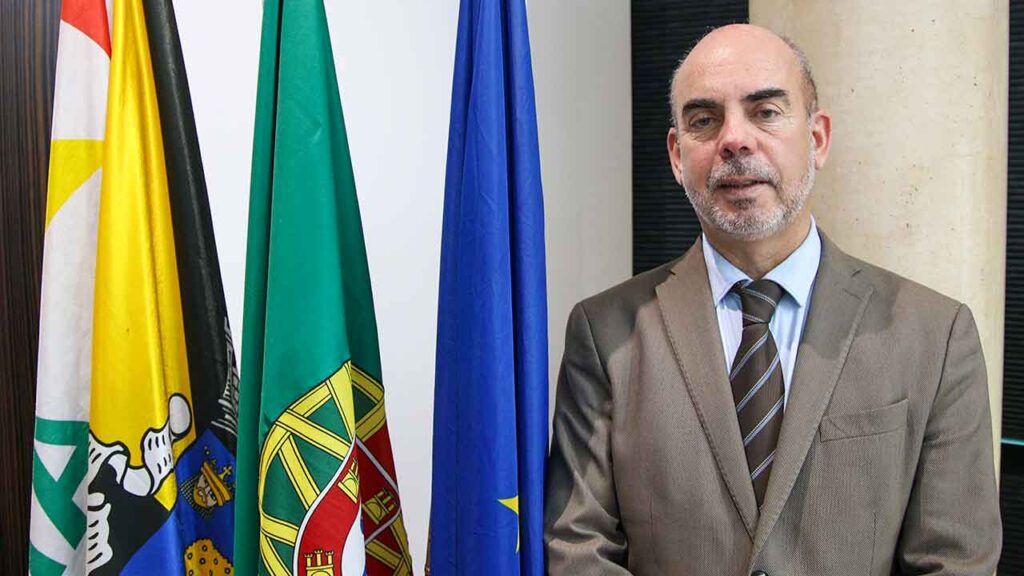
Mayor Luís Encarnação has confirmed that the municipality is moving forward with the revival of the marina at Boca do Rio, the licensing of a medium-sized hotel and the creation of a dedicated museum to house archaeological finds linked to the Arade river and the municipality.
According to the mayor, the projects form part of a broader effort to breathe new life to the Arade waterfront, restore public spaces and attract private investment. “This is an area with strong historical significance and symbolism,” he told Barlavento newspaper, arguing that the parish’s past justifies the scale of the current redevelopment.
“Cais do Calhau was once the most important port of the Arade river,” the mayor said, highlighting the role of the town’s riverfront in the export of dried fruits. The municipality now wants to reconnect the area with that heritage, bringing cultural events and activity back to the riverfront.
As part of this overarching vision for the area, several public works are nearing completion, including the refurbishment of local green space Jardim João II, expected to open shortly. The restoration of the Ermida de Santo António chapel is also underway, in partnership with the local church, with the aim of making the historic chapel accessible to visitors.
The town is also attracting new private investment, notably through the redevelopment of the former Solar do Calhau, a local manor house, for tourism purposes.
Marina to be handed to private operator
One of the headlining projects of this wave of redevelopment is the reopening of the marina at Boca do Rio. The municipal council of Lagoa recently acquired from a bank a key plot within the resort area and assumed existing agreements related to the site. A technical assessment has been completed and tender documents are now being prepared.
However, the plan is for a private operator to manage the future marina. “This is not the municipality’s core business,” Encarnação said, confirming that interest from the private sector is strong.
Plans also include a new medium-sized hotel with around 100 rooms along the left bank of the Arade, while several residential tourism projects for the same area – between Parchal and Mexilhoeira da Carregação – are either approved or under review.
Archaeology museum to anchor cultural strategy
One of the most ambitious initiatives is the creation of the Lagoa Archaeological Finds Museum (Museu de Achados Arqueológicos de Lagoa, or MUSE), to be housed in the former Solar do Júdice, a municipal-owned building.
“There is no archaeological museum in Lagoa, it is a gap that we have identified,” the mayor said. “We want to create an infrastructure that can house the finds and tell the story of our territory.”
The new facility will include storage and conservation areas, research spaces and public exhibition rooms. Staffing plans for 2026 already include the hiring of specialised technicians.
The museum is closely linked to the MUSA project, focused on the archaeological study of the Arade riverbed, co-funded by the Algarve 2030 programme with an investment exceeding €3.4 million. Some underwater finds will be recovered and displayed, while others will remain submerged, supporting future underwater tourism.
The museum is also intended to bring back to Lagoa archaeological material currently held by other institutions or private owners. “With this project, we are going to change that. We want findings to be able to be seen, studied and valued here,” mayor Encarnação told Barlavento.
Lagoa wine museum in the works
MUSE will form part of a wider municipal museum network coordinated from the future Casa da Cidadania (House of Citizenship) at the old town hall building, currently under renovation in Lagoa and expected to be completed by February 2026. Other planned hubs include an artisanal fishing museum in Ferragudo, a folklore-focused centre in Calvário and a Wine Museum in the former Adega Cooperativa cooperative winery building.
The construction of the wine museum will be required as part of the agreement with the private developer currently acquiring the landmark property.
Under the terms set by the municipality, the investor will be obliged to preserve the building’s architectural features, including the original vats and cellars. These spaces will house a municipal exhibition dedicated to the history of wine production in the municipality.
Mayor Luís Encarnação stressed that the recent move of Única – Algarve Cooperative Winery to Silves, following the resale of the building where it operated, should be seen as temporary. According to him, municipal legal teams are assessing whether Única could maintain its headquarters in the future museum, which will be publicly owned.
“The plan is also to have a space where Única can promote its products and activities,” the mayor said, underlining the importance of winemaking to Lagoa’s identity. “Wine production is part of the history and identity of Lagoa. We do not want to lose it. Única is an institution with 80 years of history.”
Encarnação added that the municipality is open to working with all parties to find a legal and urban planning framework that would allow the cooperative’s return and potentially support wine tourism, which he described as increasingly important for the viability of viticulture projects.
Asked about the future use of the site, the mayor said only that development would follow what is permitted under the Municipal Master Plan, namely commerce and services, as well as the creation of new parking facilities. He confirmed that, from the outset, the municipality imposed two key conditions on the developer: the preservation of the building’s façade and architectural character, and the allocation of space for the wine museum.
Together with the other planned museums, the wine museum will help create a diversified cultural network in Lagoa. According to Encarnação, the aim is to provide a year-round cultural offer and reduce tourism seasonality through heritage and cultural projects.