The final texts of two draft bills in the government’s housing package were approved today in parliament in a final overall vote – with votes in favour from the minority government backed this time by Iniciativa Liberal. PSD, CDS-PP and IL.
These are two draft bills with legislative authorisations: one with tax relief measures designed to encourage the supply of housing, the other with changes to licensing, urbanisation and urban regeneration.
PS Socialists, LIVRE, PCP communists and Bloco de Esquerda (BE) voted against the initiative containing tax measures, while CHEGA, PAN and JPP abstained.
PCP, BE, PAN and LIVRE also voted against the proposal to authorise the revision of the licensing regime for urban operations and to amend the legal regime for urbanisation and construction and the legal regime for urban regeneration, while CHEGA PS and JPP abstained.
The PS, which presented a bill – referred directly to the respective parliamentary committe – to strengthen instruments for promoting access to permanent housing and combating property speculation, saw the bill rejected today at the first reading.
One of the legislative authorisations approved today allows the government to amend the VAT Law, the IRS Law, the Tax Benefits Statute and the IMT Law to increase the supply of housing.
Among measures planned are a reduction from 25% to 10% in income tax to encourage landlords to rent out properties at “moderate prices” (albeit the government put a ceiling on ‘moderate prices’ of €2,300 per month – more than double what many people earn), the exclusion of capital gains tax on the sale of residential properties in the case of reinvestment in new properties intended for rental, an increase in the limit on the deduction of rents in personal income tax to €1,000 per month, and the application of 7.5% IMT to non-residents purchasing housing.
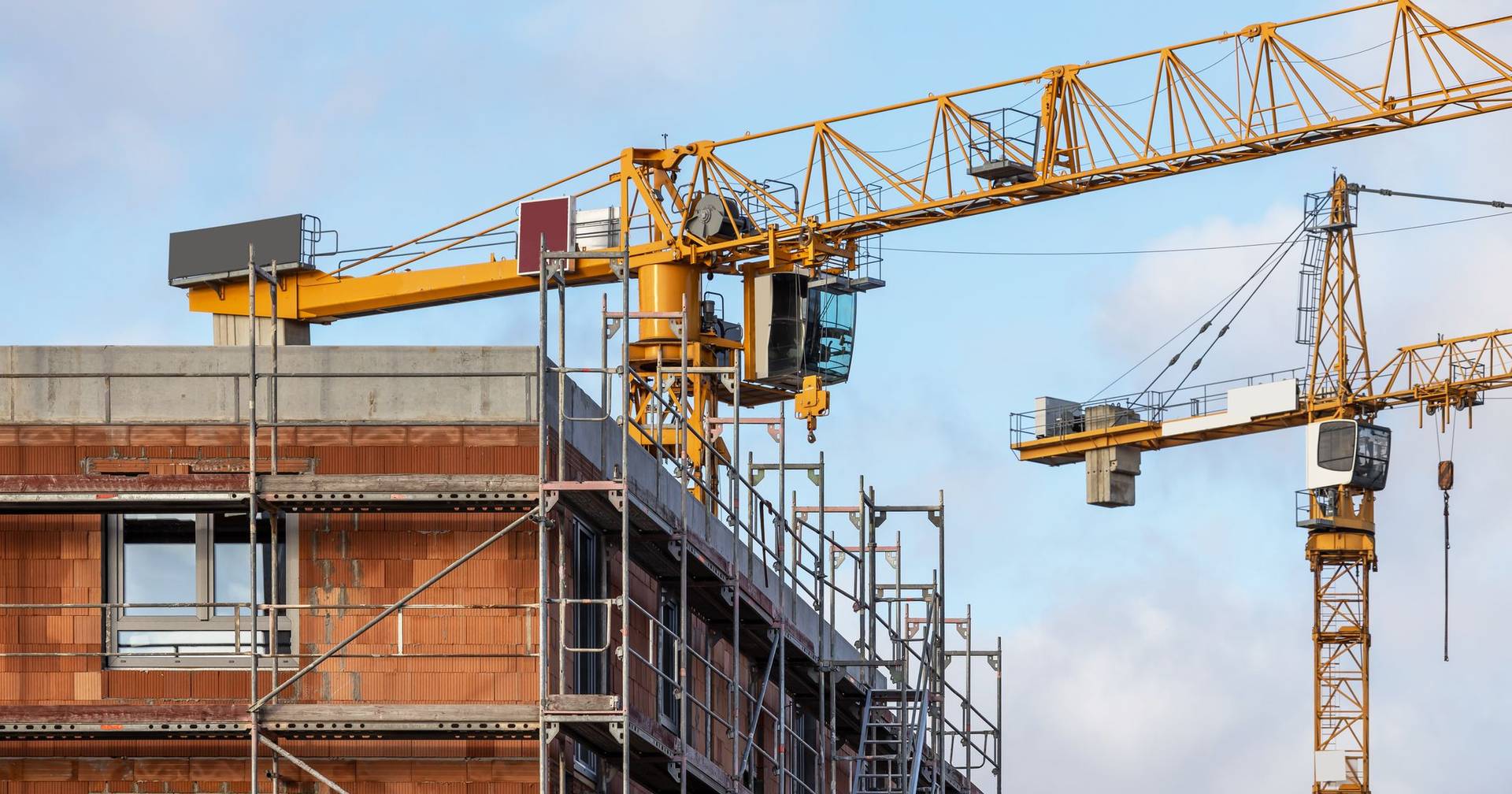
The reduction in VAT to 6% on the construction of properties intended for sale or rent for permanent housing, which was also approved, has undergone changes from the original proposal.
During the debate, ruling parties (PSD and CDS-PP) presented an amendment proposing that tax reduction should no longer apply if the property is not used as the purchaser’s own permanent residence or, if it is, “the purchaser does not remain in the property for a minimum period of 12 months” and “in cases where the purchaser does not use the property as their own permanent residence or, if it is, does not remain in the property for a minimum period of 12 months, unless the failure to comply with this period was due to exceptional circumstances under the terms of Article 10(23) of the IRS Code, the application of a 10 p.p. [percentage point] increase in IMT [property transfer tax]”.
The government’s other legislative authorisation is intended to amend the legal regimes for urbanisation, construction and urban regeneration in order to make urban planning procedures more flexible in the context of the housing supply crisis.
The law reduces deadlines, “with a view to minimising costs associated with construction activity”, and most urban planning operations can now be carried out following the submission of a prior notification, without “being dependent on any administrative act” – as is currently the case – so that the time between the prior notification and the start of the work is possible after a minimum period of eight days.
During the assessment phase, consultations with various entities that have to give their opinion are initiated at the same time, thus avoiding projects being held up in a single body awaiting a decision.
The bill that the PS saw rejected proposed, among other measures, tax exemption on second homes placed on the market for sale or rent, as well as an increase in taxes for “speculative retention of property” in areas of high urban pressure.
The measures in the government’s housing package cost between €200 and €300 million and are expected to remain in force until the end of the current legislature (2029).
LUSA