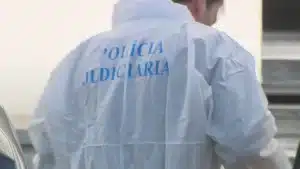
PJ judicial police have dismantled a drug trafficking network that operated through Lisbon Airport from an ‘African country’.
For the time being, the country is not being specified.
The news comes following an investigation started last year – and two arrests made at their airport yesterday.
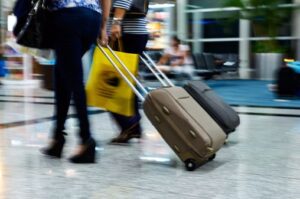
In a statement, the criminal police force explains the investigation, in collaboration with the Customs Authority, originated from an inspection of luggage coming from an African country, which contained 1,648 grams of cocaine, concealed among food products, valued at several tens of thousands of euros.
However, this luggage was not claimed by its owner – and was subsequently picked up by another person, who was arrested in flagrante delicto and remanded in custody.
For the PJ, this modus operandi “shows the systematic use of intermediaries for the transport and collection of narcotics, a recurring practice in international trafficking networks”.
The investigation enabled ‘the identification of the ringleader of the operation’ who, according to the PJ, coordinated movements of the network remotely – using encrypted communications applications – and issuing detailed instructions on baggage collection and waiting locations.
It was this alleged ringleader who was arrested in a PJ police operation yesterday, in the municipality of Sintra. At the same time, the suspect in whose name the luggage seized in 2025 was registered was also arrested.
Both suspects remain in preventive custody awaiting their first judicial hearing and the application of bail measures, or otherwise.
The PJ statement adds that “‘large sums of money” were also found in bank accounts associated with the main suspect, “without correspondence with known legal income”. The man already has a criminal record, including previous arrests for possession of narcotics, large knives, and nitrous oxide cylinders.
This case “falls within the context of highly organised crime, characterised by rigorous planning, compartmentalisation of functions and methods designed to hinder the actions of the authorities”, considers the PJ statement – pointing out that “these structured networks repeatedly resort to third parties to carry out higher-risk tasks, such as transporting, collecting or delivering narcotics, seeking to remove those responsible from direct contact with the drugs”.
These intermediaries, or ‘drug mules’ as they have come to be called, are “often in a situation of economic or social vulnerability and lured with promises of quick gains and, although aware of the seriousness of the crime, take on the greatest risks and the most immediate criminal exposure, being treated by criminal networks as easily replaceable”.
The PJ’s note advises all citizens in vulnerable situations to refuse any request to transport, store or collect luggage, parcels or goods on behalf of third parties, “especially when associated with financial compensation, unclear instructions or vague promises”, stressing that that accepting such requests “can have serious criminal consequences, regardless of the degree of involvement”.
Sources: LUSA/ Observador