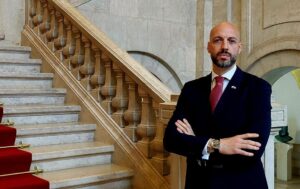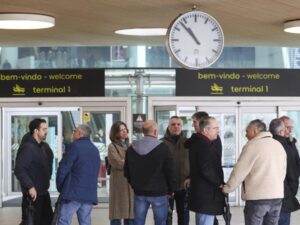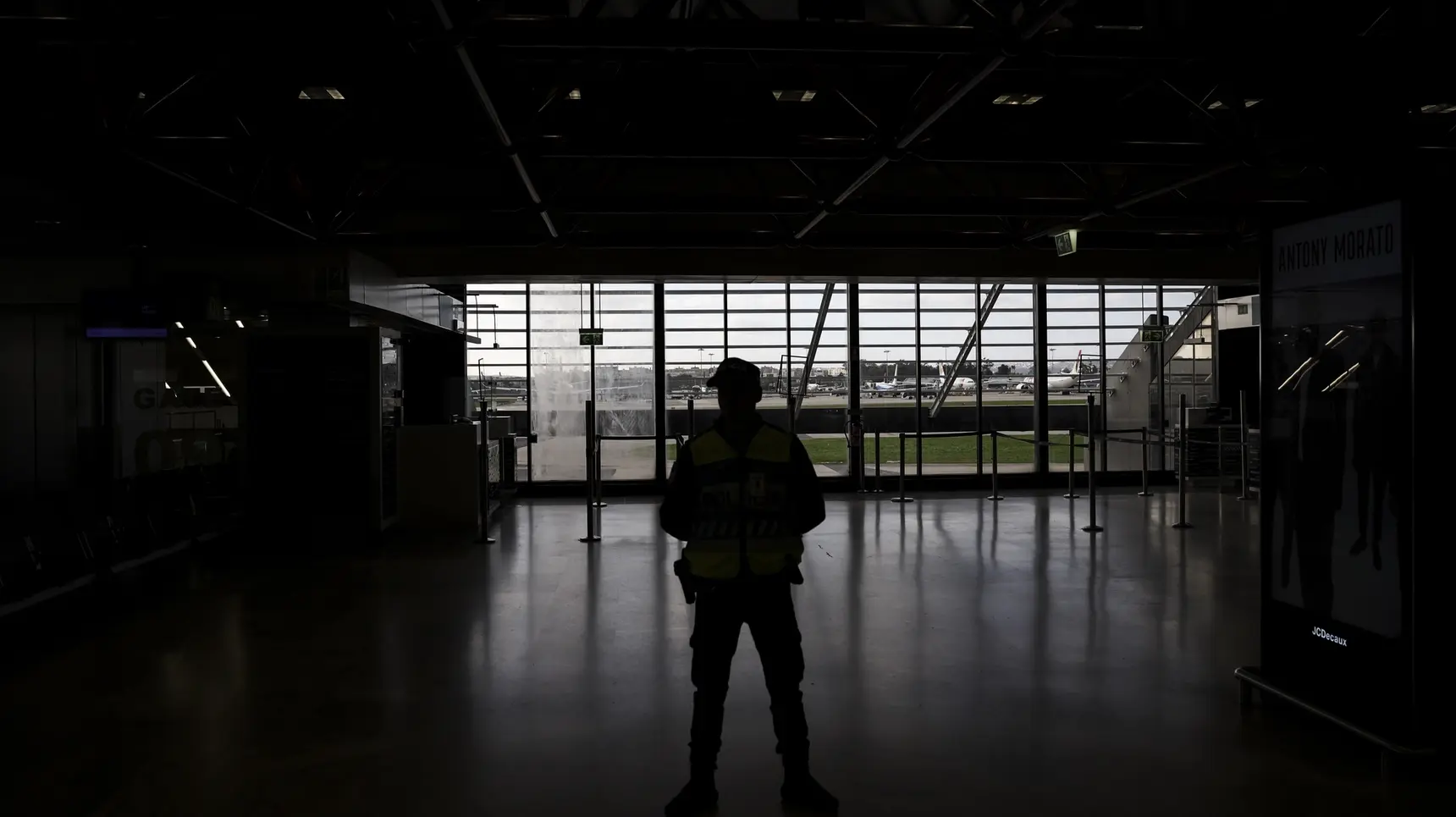
Guinea-Bissau’s director-general of communities abroad, Braima Mané, has today denounced the “detention” of six students at Lisbon airport since Friday, for allegedly having incomplete documentation.
Mané told a press conference in Bissau yesterday that Guinea-Bissau’s embassy in Portugal is monitoring the case.
During the meeting with journalists still allowed in the country (Lusa journalists not being among them), Mané said that airport authorities have since granted entry to three of the students.
But two more were stopped from entering Portugal since Saturday, he went on, as authorities required a statement of responsibility (a document in which a host pledges financial support), proof of accommodation, and proof of university enrolment.
The embassy, the Lisbon student association, and lawyers hired by the various families involved are following the case, says Mané.
“The families hired lawyers who are waiting to submit the required documents before the legal deadline set by Portuguese authorities, otherwise we do not know what might happen,” he added.
Mané stressed that students and legal migration candidates should remember that a visa does not automatically guarantee entry to Portugal: travellers must present physical proof of all required documents when requested by border authorities.
The Guinean official added that the country’s foreign ministry will open an office to support and guide students to avoid airport detentions – stressing these students travel to Portugal privately and are not covered by cooperation agreements between the two countries.
“They do not inform the government or Guinea-Bissau’s embassy in Portugal. We only find out when authorities bar them at the airport,” he said.
Lusa’s delegation in Guinea-Bissau has been suspended since August following the government’s expulsion of Portuguese media representatives.
The country is under the control of the military, following a coup-d’état last November, since when Portugal’s foreign minister, Paulo Rangel, has urged a ‘return to democracy’ and been publicly rebuked for ‘interfering’.
A statement from the Guinean administration has reminded Mr Rangel that ‘thousands of Guineans live and work in Portugal and are key pillars of the country’s economic growth (…) this silent contribution’ entitles Guinea-Bissau to demand “healthy cooperation, on an equal footing, free from colonialist complexes and suffocating paternalism”.
Since the military coup five months ago, Guinea-Bissau has been suspended from various organisations, notably the CPLP (community of Portuguese language countries), the only one that has not yet sent a mission to the country to mediate the political situation.
Source material: LUSA