New zone boosts conservation efforts as country nears 30% ocean protection target
Portugal is taking a major step forward in marine conservation with the announcement of a new marine protected area at the Gorringe Ridge, located around 200 kilometres southwest of the Algarve’s Cape St. Vincent in Sagres, Vila do Bispo.
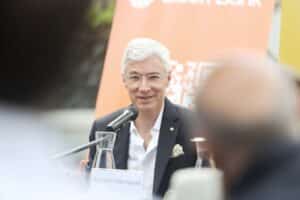
Environment Minister Maria da Graça Carvalho revealed the decision during a press conference at the United Nations Ocean Conference (UNOC3) in Nice, France, stating that the move had already received broad agreement among stakeholders.
The minister said the new offshore marine protected area will mark a leap forward in Portugal’s conservation efforts, stressing that the Gorringe Ridge’s new status will bring Portugal closer to meeting the United Nations target of protecting 30% of its maritime area by 2030, increasing the protected area from 19% to 27%.
“In terms of marine protection we are the most advanced country in the world with our characteristics combining continental and insular territory. Certainly the leader in Europe,” she said.
Legal procedures to create the new marine protected area are already underway, with a decree-law prepared and a management model in development. Authorities aim to complete the process by the end of the year.
The Gorringe Ridge, which stretches roughly 180 kilometres, is already part of the EU’s Natura 2000 network as a Special Conservation Zone, but the new designation will significantly expand the area under protection – up to around 23,000 square kilometers, according to the minister.
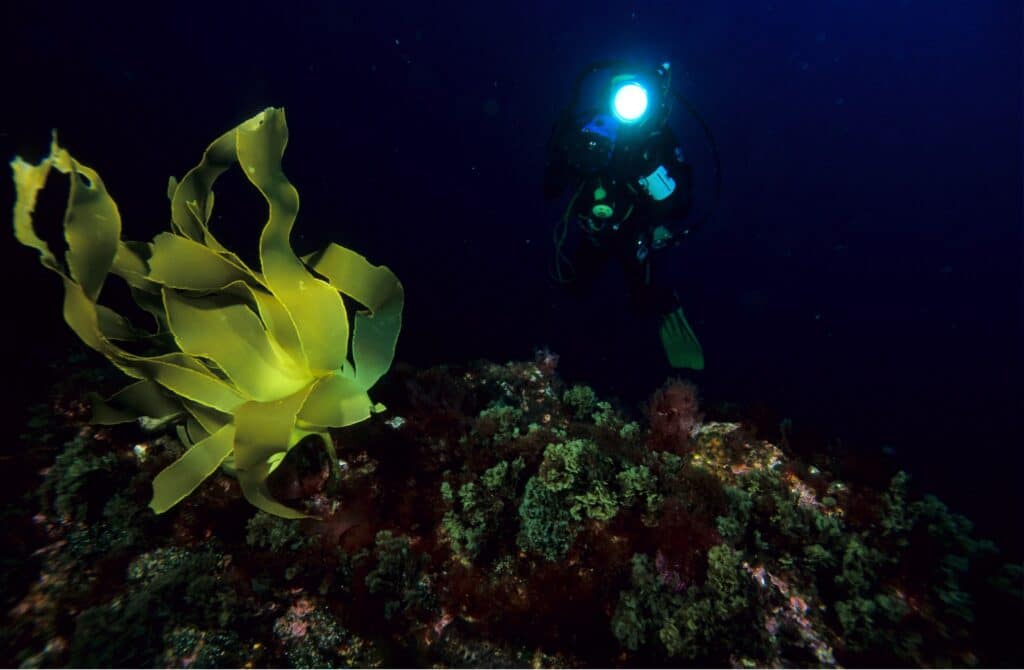
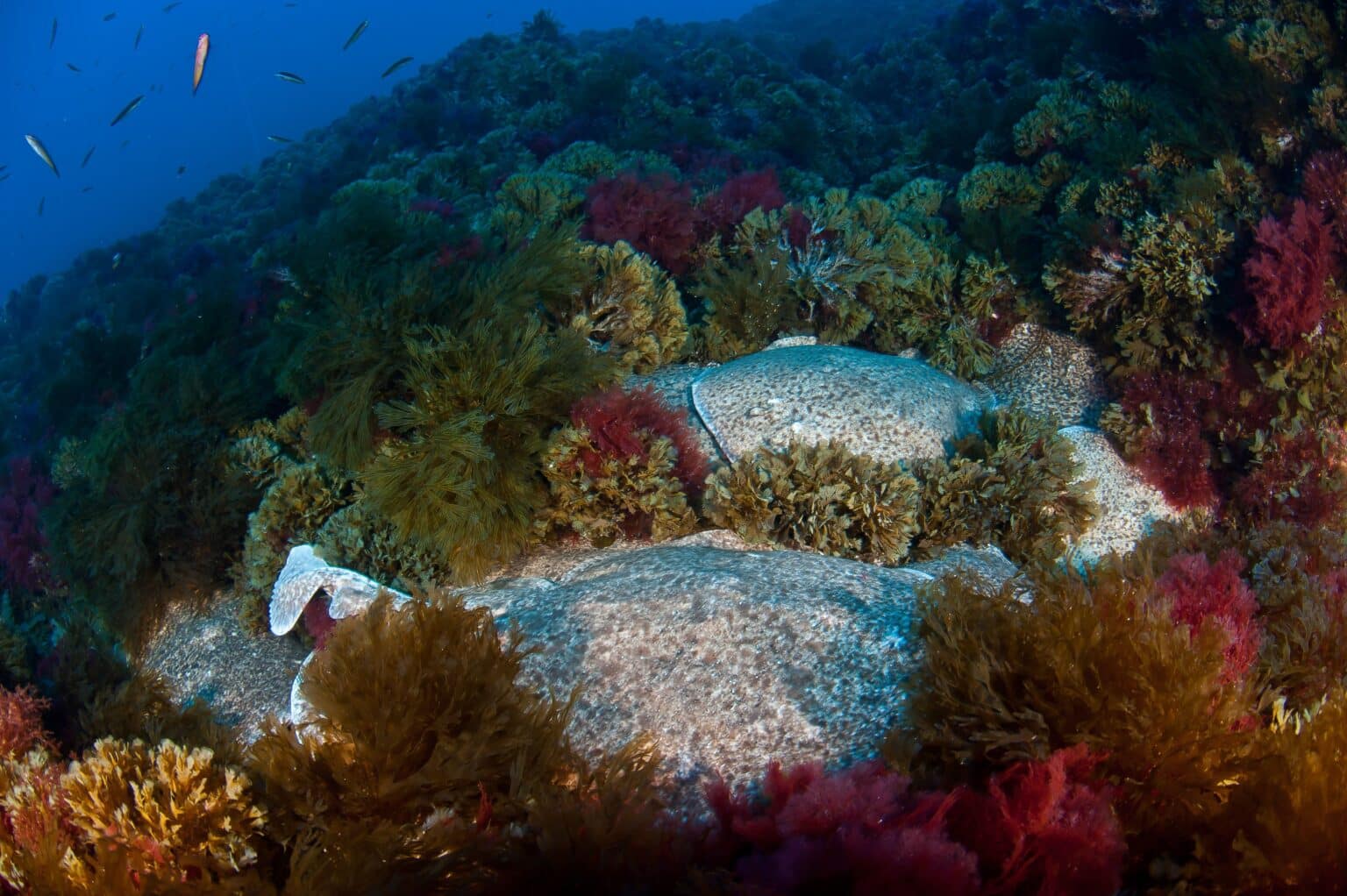
The seamount is a biodiversity hotspot, featuring a range of habitats from shallow algal forests to deep waters with cold-water corals. It is around 5,000 metres tall and is named after Captain Henry Honychurch Gorringe, who mapped it in 1875.
Geologically, it was formed during the opening of the Atlantic Ocean, as a result of the convergence between the African and Eurasian tectonic plates. It comprises two main peaks: Mount Gettysburg and Mount Ormonde.
The minister noted that enforcement of the new protection status will involve several ministries and benefit from European regulations and improved surveillance technologies, making monitoring more effective than in the past.
Unlike coastal reserves, offshore protected areas such as Gorringe generally have less impact on fishing communities, though the government has stated it is open to compensation measures if necessary.
Meanwhile, Emanuel Gonçalves, chief scientist at Oceano Azul Foundation, which mapped the area with the Portuguese navy and whose findings informed the government decision, has highlighted the importance of the government’s decision.
“A large-scale marine protected area like this, if fully protected, will functionally connect seamounts, abyssal plains, and open ocean, and create a safe haven to highly mobile and migratory species, and deep sea habitats,” he said.
“It will provide a fertile nursery and feeding ground for turtles, sharks, marine mammals, sea birds and tunas, expand or restore kelp and coral forests and create a sanctuary for the unique breeding aggregation of torpedo rays,” he added.
Looking ahead, the government also plans to create a smaller marine reserve near Lisbon, covering waters off Cascais, Sintra, and Mafra.