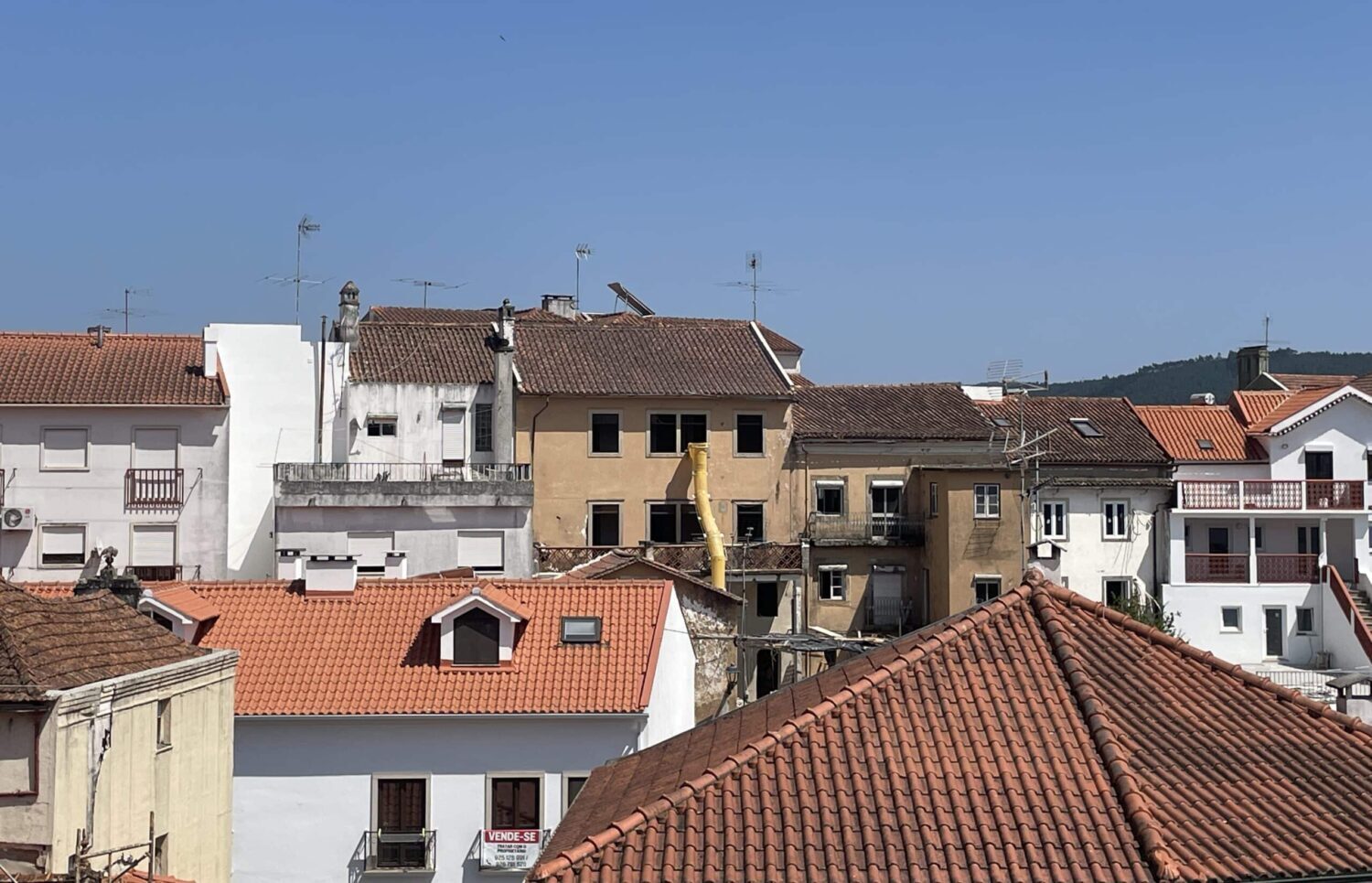
I first visited Sertã in late 2019 and was not impressed. The town’s main shopping street along the riverside was lacking in sparkle and the historic zone had many derelict buildings and poorly maintained streets, even the riverside park needed care and attention.
I was in the town for the night and was cheered when checking into the Convento da Sertã Hotel, a medieval building whose cloisters, stone walls, and carefully preserved religious artifacts quickly calmed my initial intolerance.
Nestled in the central region of Portugal, within the district of Castelo Branco, Sertã sits at the confluence of two rivers, Ribeira da Sertã and the Ribeira do Amioso, and is surrounded by hills and forests.
It is one of the more functional towns in the area with several banks, pharmacies, estate agencies, two supermarkets and a health centre with emergency admissions.
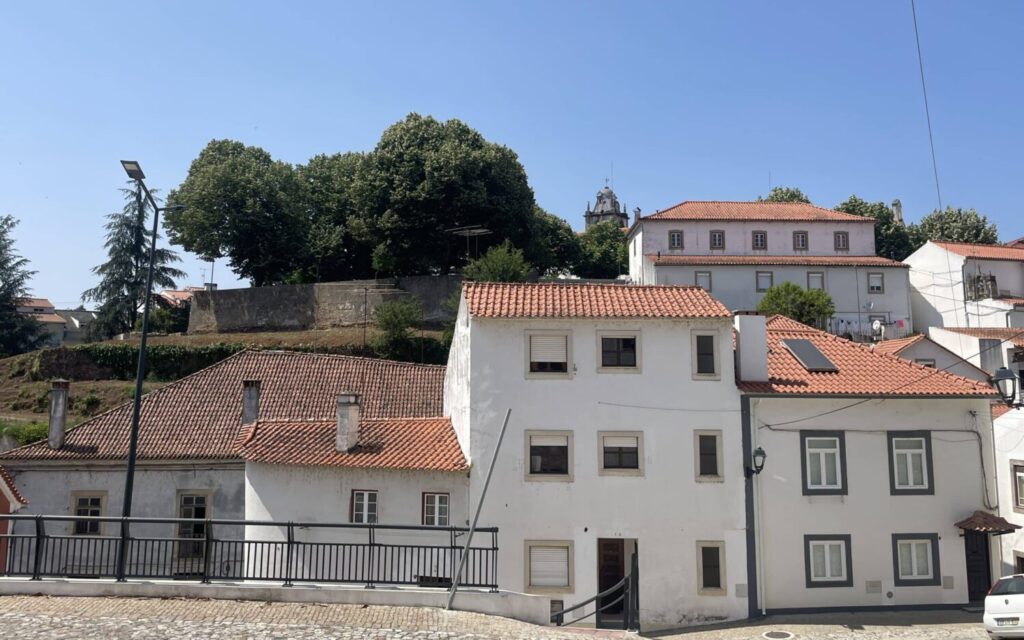
Having later started a property business in the Central Region, I remained ‘anti-Sertã’, using the town for shopping and banking only, while the business developed cottages and townhouses in neighbouring municipalities.
My mindset was illogical as behind the scenes a revival was taking place. Boosted by a general increase in rural tourism and a lack of places to stay, up popped the Hotel Square and the Mira d’Ouro Apartments, then further Airbnb accommodation, then new shops and bars.
Each street soon rang with the sound of drills and machinery as private investors started, one building at a time, to renovate buildings at the core of the town.
Trade made the town a town. The Romans established a hub here due to the strategic location near the Zêzere River and its tributaries.
“What have the Romans ever given us?” – the town’s name for one thing as it derives from ‘sertum,’ a garland or wreath, symbolising the town’s green and pleasant surroundings.
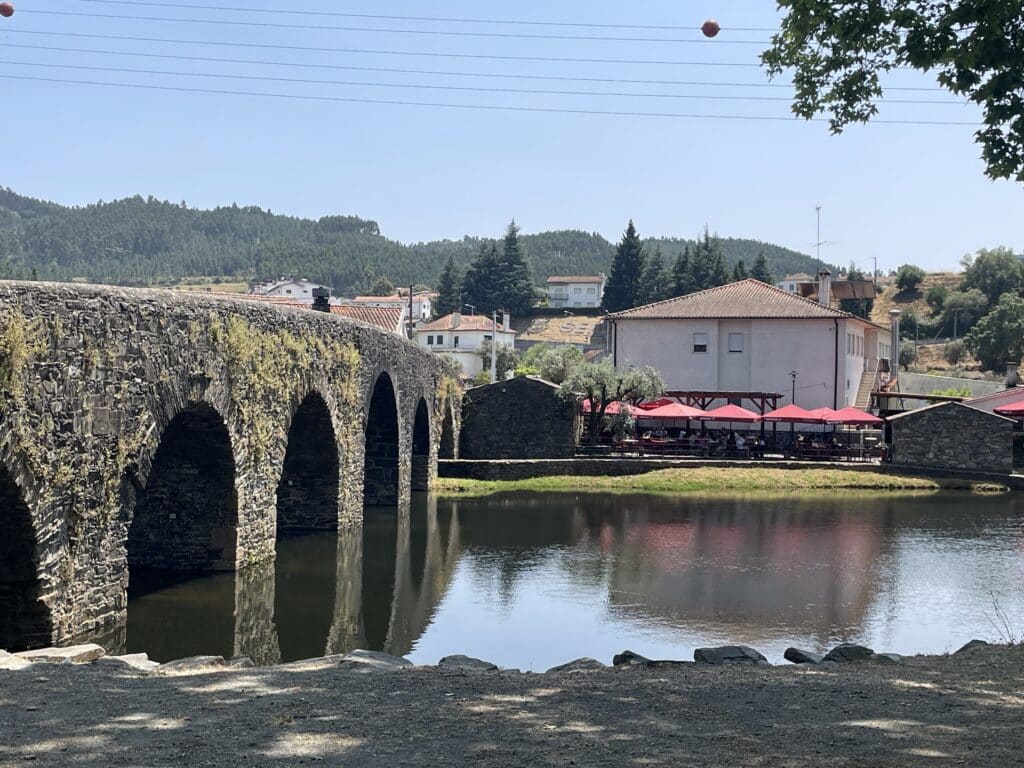
The revival was happening quickly, and I started to suffer from a bad case of FOMO (Fear Of Missing Out). I had lived through six years of Olhão’s resurgence in the Algarve and knew that speed was essential when property for development is limited.
I needed a building. The word went out to established contacts, and a property soon was presented that certainly ‘offered a challenge’.
Ignored by developers as perhaps being a little too complicated, mainly due to two tenants and an unregistered three-level building in the back yard, the game was on, and a rather protracted negotiation started for the twin buildings in the town’s historic centre.
After the Deed signing in 2025, plans were drawn up to create two apartments and one townhouse. Meanwhile, the next-door property and the one after that simultaneously burst into life with builders, deliveries, electricians and plumbers all working to create new apartments in these neighbouring historic zone buildings.
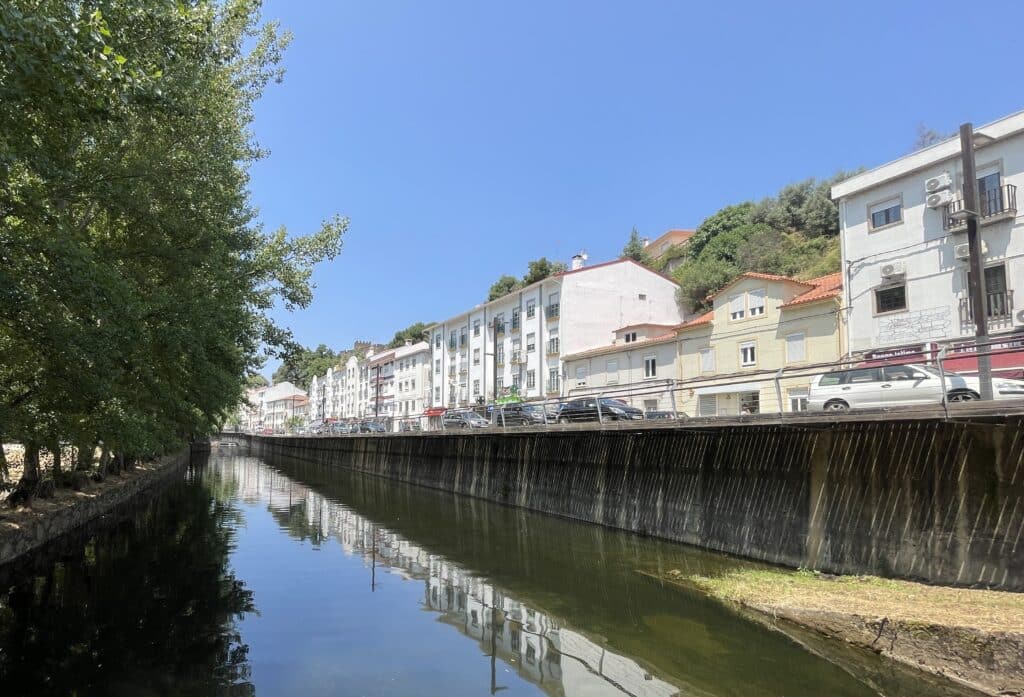
More apartments mean more people, more tourists and more life in the place, but many foreigners already had chosen to live here full-time.
While each decision to move to Sertã was based on particular circumstance, the reasons expressed by the immigrants that I have met can be summarised as; cost-effective (far more house per euro than in Lisbon, Coimbra, Porto and the Algarve), medical (with the main hospitals an hour away at Castelo Branco and Coimbra), infrastructure (with an excellent road system and coaches to a variety of places, including rail links), lifestyle (in a beautiful area of forests and rivers), freedom (not surrounded by tourists and fighting for space), cost of living (where a glass of wine is still under a euro in many places) and authenticity (not feeling like a mobile wallet).
It really should not have been a surprise to me, had I been more logical and less emotional, that the essential building blocks for the revival already had been in place.
The town has an industrial area and significantly more income than its neighbouring municipalities. All that was needed was to tidy up the place and continue to promote the town as a tourism and lifestyle destination.
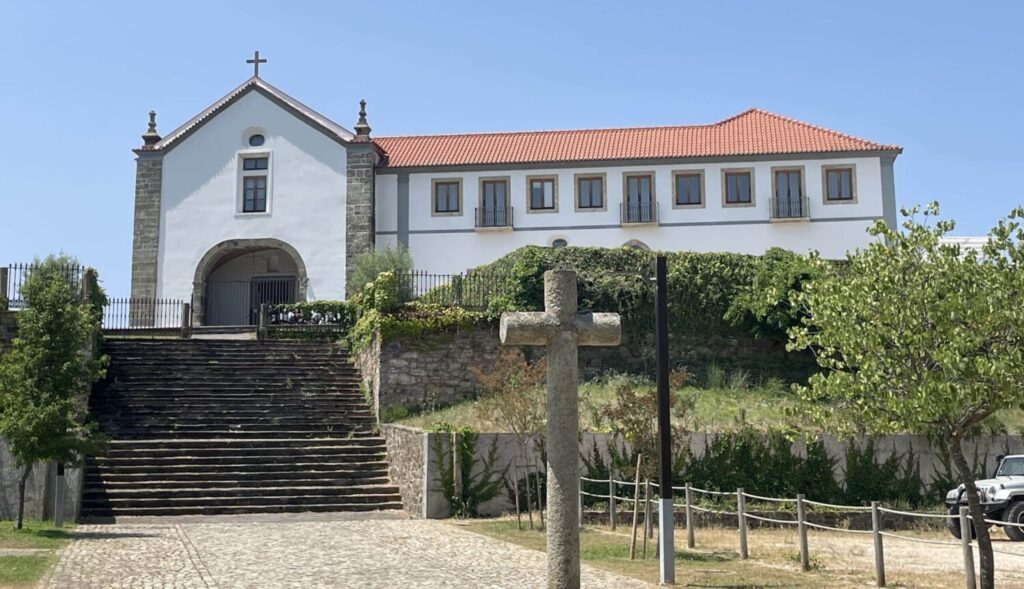
Many Portuguese return to the area for summer holidays in old family homes, others come to enjoy the countryside and the myriad variety of sports and activities that can be accessed and, even in the winter months, the local vibe is one of cohesion and friendliness with plenty of activities continuing through the shorter days and longer nights.
From late 2019 to now, mid-2025, the town is buzzing, thanks in no small part to the many developers and investors who each independently chose to buy and renovate properties, which, in turn, has brought new people to the area.
No visit to Sertã would be complete without braving at least one of its culinary challenges. Firstly, there is ‘maranho’, made with goat meat, rice, and a blend of herbs, wrapped in a natural casing. The second is the fearsome ‘bucho recheado’, a pork stomach stuffed with more pork, poultry, rice, ham, bread, and orange juice.
If you can finish either of the above with the obligatory jar of house red, you will be welcomed by Sertã’s chefs and locals alike.