Sheep and goat herders in the district of Bragança are described as “very apprehensive about the future of their livestock holdings due to the lack of food caused by the fire that broke out in the Douro International” earlier this month.
Speaking to the Lusa news agency, Bruno Cordeiro, president of the National Association of Sheep Breeders of the Churra da Terra Quente, stated that the fire had destroyed pastures for which renewal cannot occur until March – depending on rainfall.
“Unfortunately, the shepherds have no food for their animals. At the moment, the only food is in the barns. This (indigenous) breed of sheep is raised extensively and traditionally feeds on pasture, which makes this a very difficult situation,” he said.
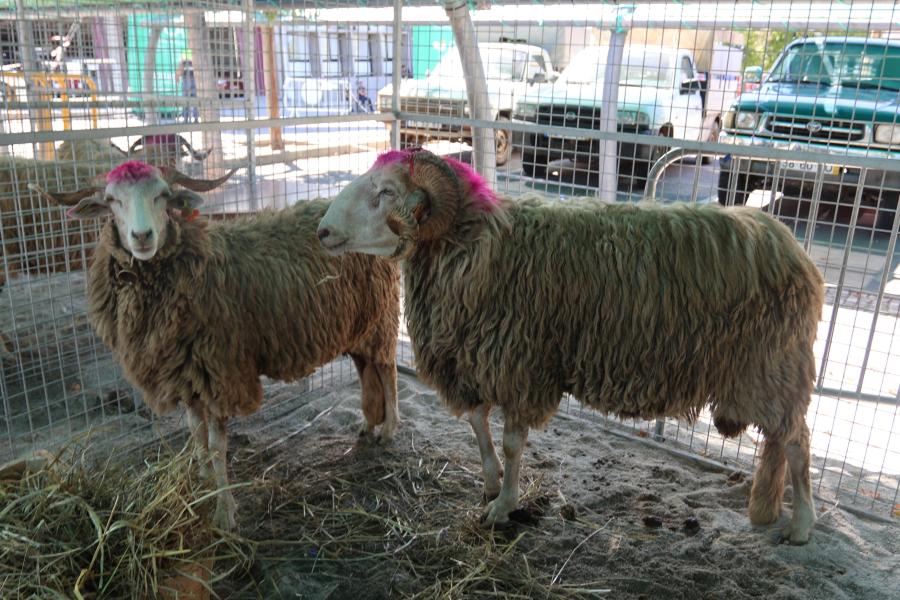
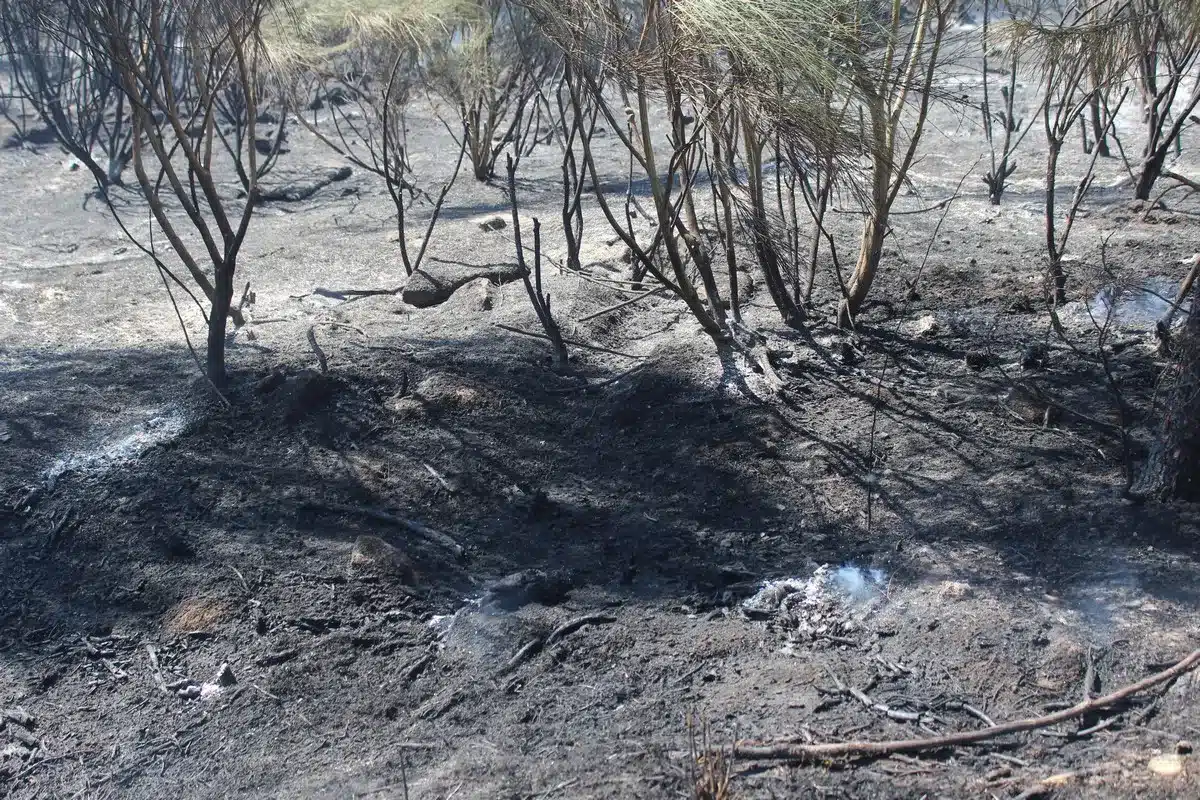
According to Cordeiro, the Churra da Terra Quente’s diet is 100% based on natural pasture, all of which were charred to a crisp in the fires.
“The impact (of the fire) on the local economy is very great and I believe that many shepherds are going to abandon this activity, because production costs are high and always increasing, and it’s very expensive to feed the animals for about half a year, even if it’s going well,” he explained.
Now, on behalf of the 127 breeders of this national association of sheep producers, Bruno Cordeiro is asking the government for help in looking at the sector, “because it’s unsustainable to keep the animals inside barns.
“There are municipalities helping producers, but it’s not enough,” he said.
Herds of Churra da Terra Quente, amounting to roughly 11,500 head, are spread across northern municipalities like Torre de Moncorvo, Freixo de Espada à Cinta and Mogadouro, all of which were affected by the Douro International blaze that began on August 15. Animals are also scattered throughout Vila Flor, Mirandela, Carrazeda de Ansiães and Alfândega da Fé, municipalities that have also been affected by fires in recent weeks and have suffered dramatic losses to the territory’s agricultural potential.
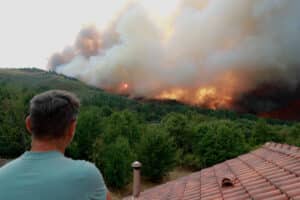
The Douro International fire broke out in the middle of a very hot afternoon in Poiares, in the municipality of Freixo de Espada à Cinta, and soon spread to the neighbouring municipalities of Torre de Moncorvo and Mogadouro, Bragança district, leaving a trail of destruction in pastures and crops, including olive, almond and orange groves, vineyards, forests and beehives.
According to provisional figures from the GNR, 12,000 hectares were burnt in the municipalities of Freixo de Espada à Cinta, Torre de Moncorvo and Mogadouro, in a fire that had around 400 operatives on the ground and the absence of aerial resources due to weather conditions.
Data from the provisional national report from the Forest Fire Information Management System (SIGF), to which the Lusa news agency had access, indicates that, as of August 24, 11,697 hectares had been burnt in Freixo de Espada à Cinta.
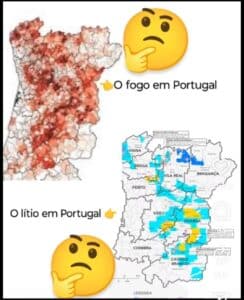
The mere fact that these fires have seen livestock producers talking about abandoning the activity fans suspicions that this could have been the intention: the north is earmarked heavily for lithium exploration, which has been unpopular with local communities for the consequences it would bring to traditional rural practices. If those practices ‘died out’, the arguments against using the land to exploit ‘minerals vital for the energy transition’ would lose their relevance.
Source material: LUSA/