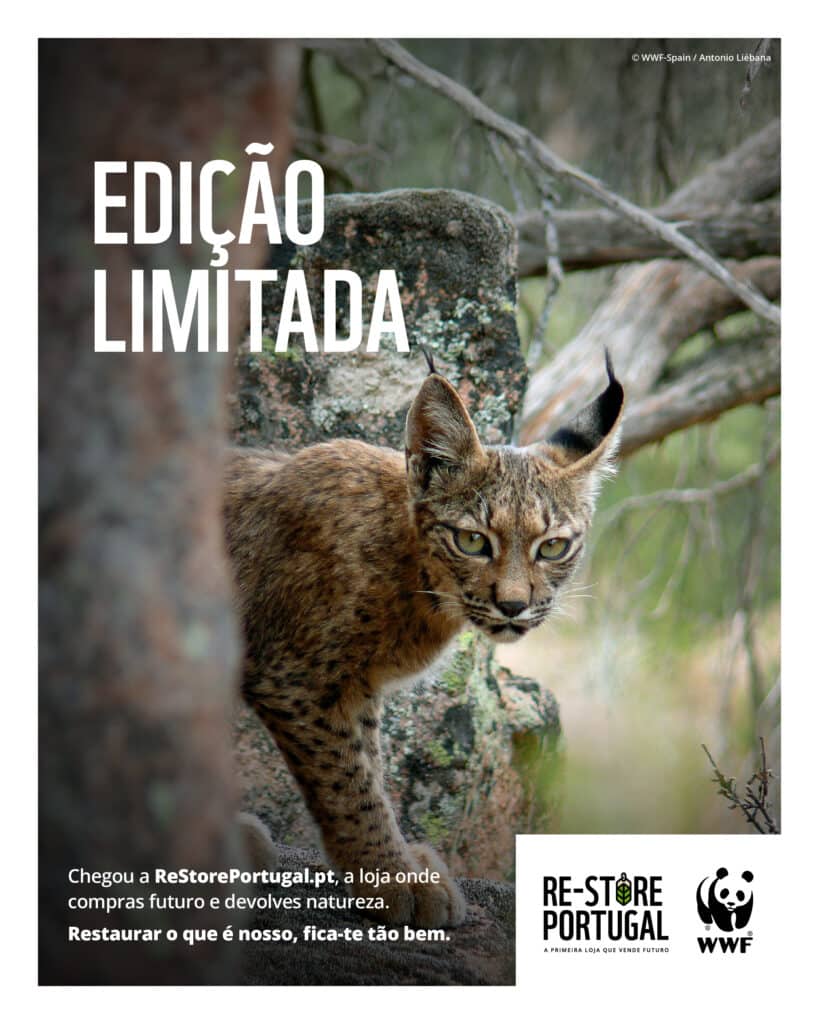
WWF Portugal has launched Re-Store Portugal, a new nationwide initiative to restore degraded ecosystems and promote nature recovery. The project will invest €1.8 million over five years in three key regions, combining “science, community action, and collective commitment to address Portugal’s ecological challenges”.
“Restoring nature means reinforcing the country’s natural infrastructure – the foundation that silently supports our economy, public health, and collective well-being,” said Ângela Morgado, Executive Director of WWF Portugal. “Portugal has everything it needs to lead this collective effort if it values its natural resources with ambition and strategic vision.”
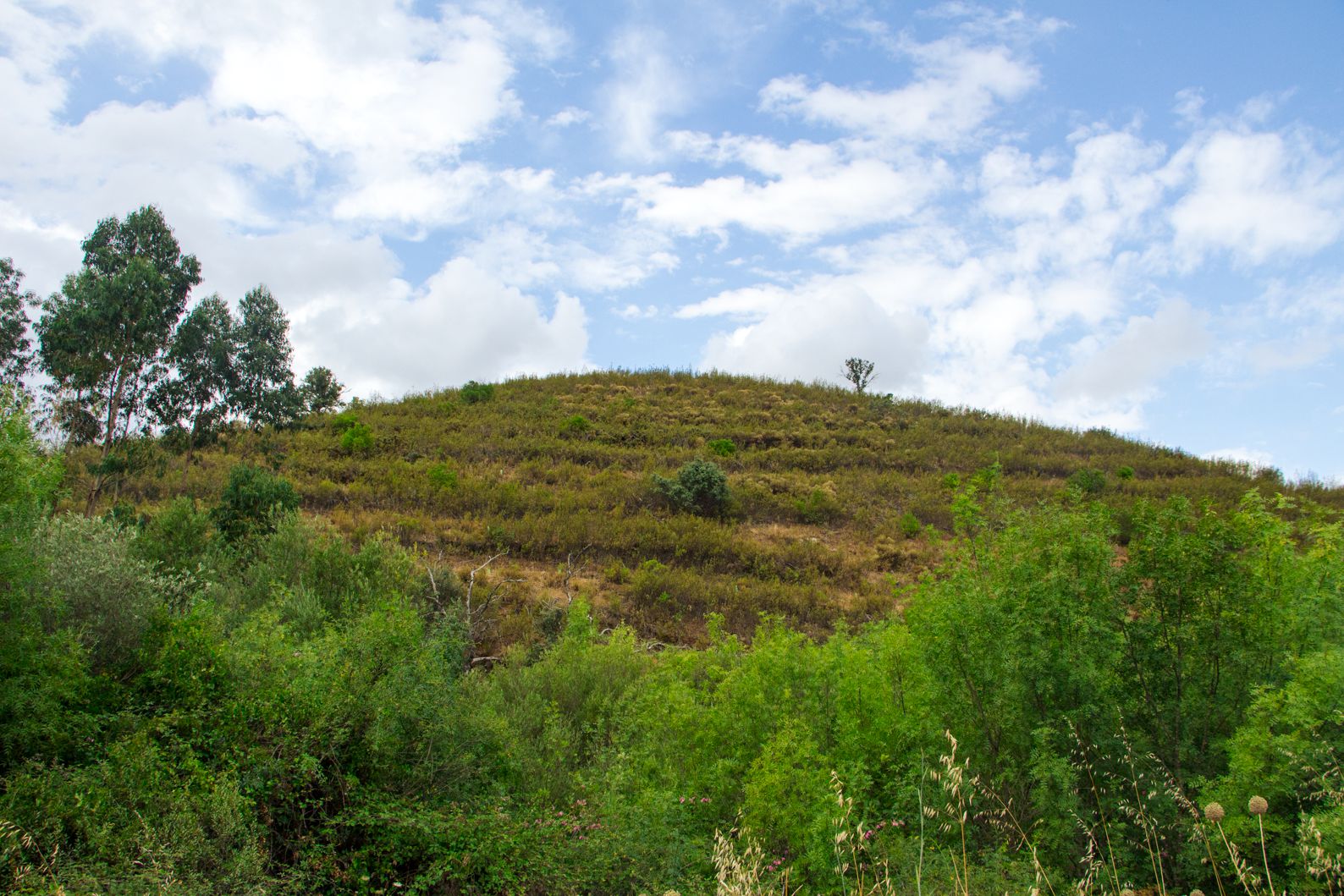
Based on a nationwide study of land and marine areas, WWF Portugal has identified nine priority zones for restoration: Peneda-Gerês National Park, Ria de Aveiro, Serra da Estrela, Serra de Aires e Candeeiros, the River Tagus, Tagus Estuary, Vale do Guadiana, Serra do Caldeirão, and Ria Formosa.
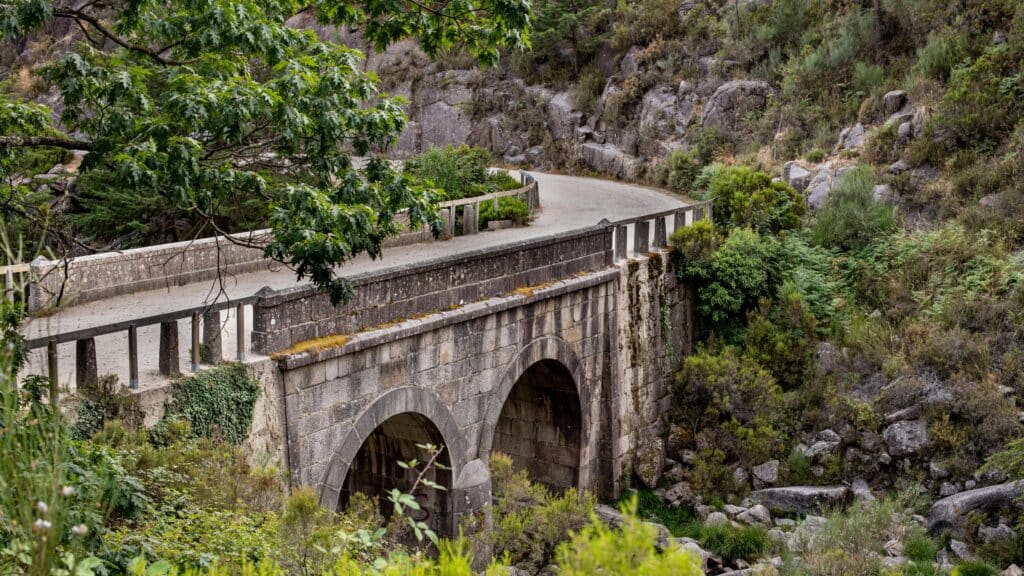
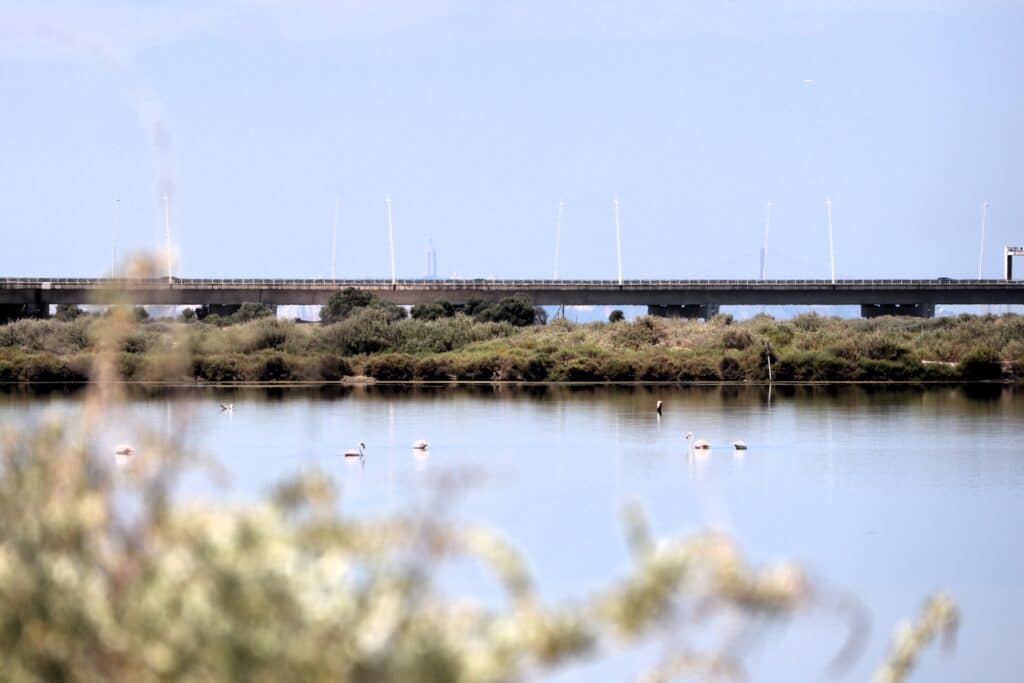
The first phase of fieldwork will focus on three of these areas – Peneda-Gerês National Park in the north of Portugal, Serra do Caldeirão in the Algarve, and the Tagus Estuary in Lisbon – chosen to ensure “quality, impact, and sustainability.”
The initiative will involve ecological restoration projects to protect species and ecosystems, regenerate degraded habitats, and boost biodiversity. It will also include environmental education programmes and a national awareness campaign to mobilise public support for nature restoration.
“At a time of climate crisis, loss of biodiversity and natural resource shortage, Re-Store Portugal is created as a strategic response to the Euopean Union Nature Restoration Law, which requires member states to recover at least 20% of degraded areas by 2030,” says the Portuguese branch of the World Wide Fund for Nature (WWF) – one of the world’s largest independent conservation organisations.
For Portugal, WWF says, this represents “an opportunity for innovation, investment, and social engagement” as the government prepares its National Nature Restoration Plan, due to be submitted to the European Commission by September 2026.
“Investing in ecological restoration means prosperity for all: more and better water, fertile soils, clean air, abundance and diversity, and more health, safety and resilience,” Morgado added. “This initiative is a call for attention for Portugal which must lead this effort with ambition, scientific knowledge and collective action.”
To fund the project, WWF has launched a digital donation platform designed like an online shop, where anyone can “buy the future” by adding restoration actions to their shopping cart. The organisation is also inviting businesses to contribute financially, encouraging them to support both biodiversity and their long-term sustainability.
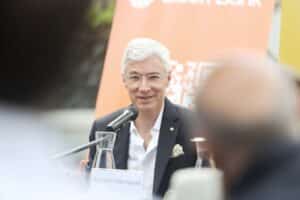
The project’s launch event took place in Almada, near the Tagus Estuary, one of the priority restoration areas.
Lidl Portugal is the driving partner behind this first phase, having contributed around €100,000 to fund the feasibility study that mapped priority areas, built the online platform, and launched the campaign. The supermarket chain will also support restoration work in these areas through a customer donation initiative.
“As we celebrate 30 years in Portugal, we’re proud to join such an important initiative that helps restore ecosystems and benefits the communities we serve,” said Vanessa Romeu, Lidl Portugal’s Corporate Affairs Director.
Since August, customers have been able to buy solidarity shopping bags made from recycled coastal plastic at all 280 Lidl stores nationwide. Each bag costs €1, with half the proceeds going directly to Re-Store Portugal, funding the restoration of 30 hectares in Peneda-Gerês National Park.
Morgado praised Lidl’s involvement as “an example for others to follow,” stressing that restoring nature “requires turning words into action.”
The initiative is also supported by governmental authorities such as ICNF (Institute for Nature Conservation and Forests) and APA (Portuguese Environment Agency), as well as GRACE and BCSD Portugal.
According to Nuno Banza, President of ICNF: “Given the national context of biodiversity loss and environmental pressure, this is a valuable and timely initiative that contributes directly to Portugal’s restoration goals.”