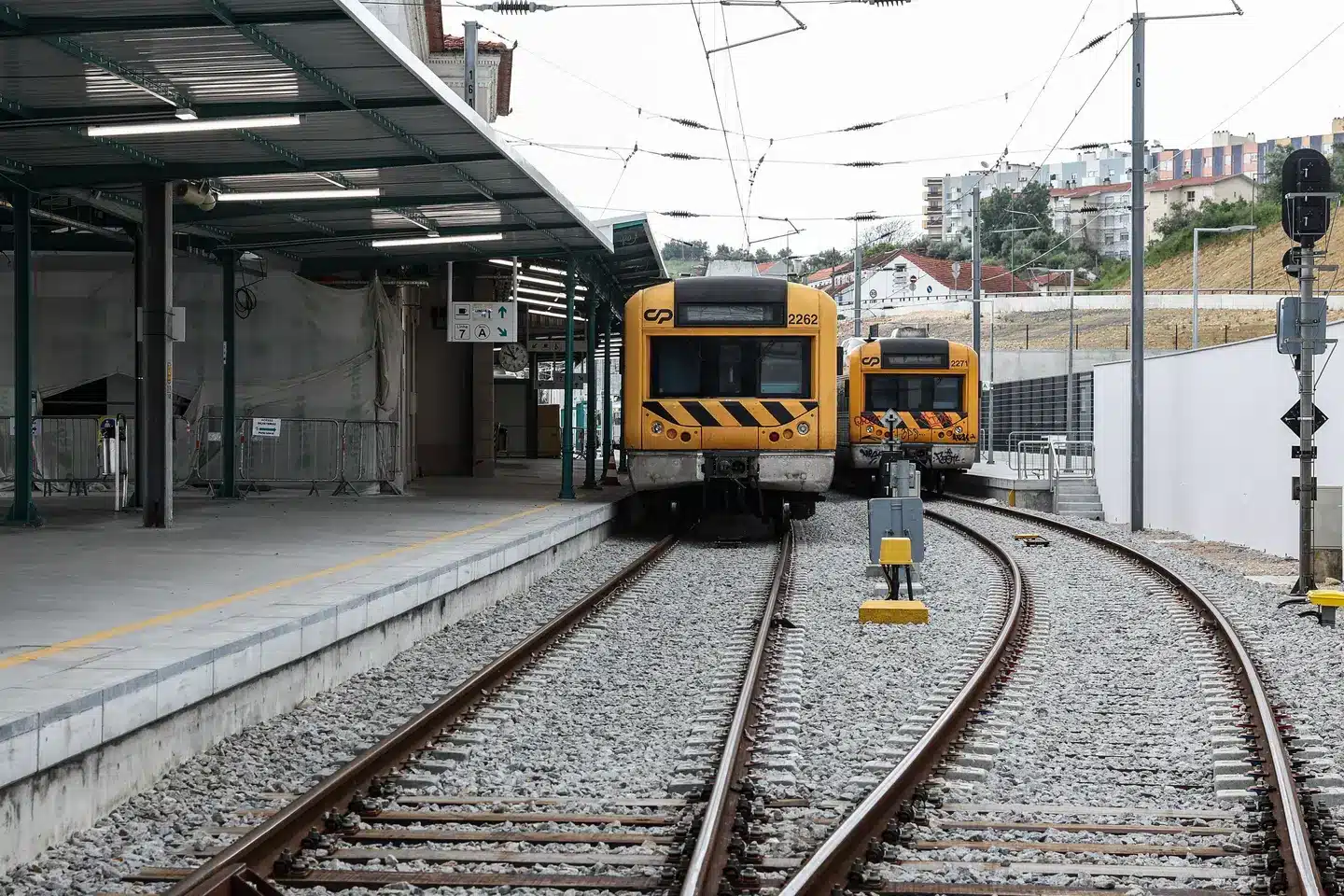
If it isn’t the most ridiculous law passed in parliament this year, it must be close. President Marcelo has today announced, on his official site, that he has promulgated the parliamentary decree that “establishes the prohibition of (train) drivers from performing their duties under the influence of alcohol, narcotics, and/ or psychotropic substances”.
The fact that the decree also “reinforces penalties resulting from violations” of a law passed over five years ago (set up to ‘establish the legal framework for railway safety in Portugal’) and which already establishes this ‘prohibition’ somehow makes the latest law even more ‘unnecessary’.
But this is democracy, Portuguese-style: we now have it established twice over a five year period that train drivers must not operate if they are under the influence of anything that could inhibit their good judgement. Hopefully, passengers can now all relax, secure in this well-underlined legislation (that meets requirements of Brussels).
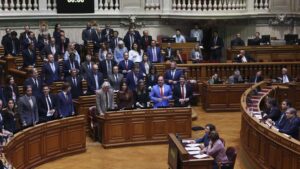
SIC Notícias presents this story deadpan today, explaining that parliament debated the law (proposed by the government) that aggravates penalties for miscreant train drivers and “fixes limits on alcohol and drugs” (after having established in 2020 that train drivers cannot operate under the influence of such).
“The opposition accused the executive of legislating “over the obvious” and ignoring the structural problems of the railways,” says SIC – while the government apparently also accused the previous Socialist administration of having done nothing to enhance railway security. Throughout the back-and-forth no-one seemed to come up with any examples of incidents prompted by drivers under the influence of alcohol, drugs or psychotropic substances…
SIC continues: “Among measures promulgated today are the setting of a maximum blood alcohol limit of 0.2 grams per litre, ‘in line with other European rail networks’, the scaling of fines according to the severity of the offence and the updating of the fees payable to the Institute for Mobility and Transport (IMT).
“Very serious offences will be punished with fines of between €100,000 and €500,000, strengthening the supervisory and sanctioning powers of the National Railway Safety Authority,” secretary of state for mobility Cristina Pinto Dias said during the parliamentary debate, adding that with these changes, “Portugal will no longer have the lightest and lowest administrative offence framework in Europe”.
Ms Dias also pointed out that the proposal does not change the driving, rest or break times already provided for in national and EU legislation.
Adding to the bizarre feeling of this whole legislative process is the fact that Cristina Pinto Dias is the government member called out for receiving an ‘immoral severance payment’ (of €80,000) from railway authority Comboios de Portugal (CP) when she left its employ to take up another state role at the Institute of Mobility and Transport (IMT) the very next day.
Source: SIC Notícias