Central Portugal is noticeably slower-paced with people in tune with the seasons, shopping at local markets, and enjoying a real sense of community. You’ll hear the church bells marking the hours, rather than the rush of traffic. Days are often shaped around simple pleasures, a walk in the forest, a dip in a river, or a leisurely meal with friends and neighbors.
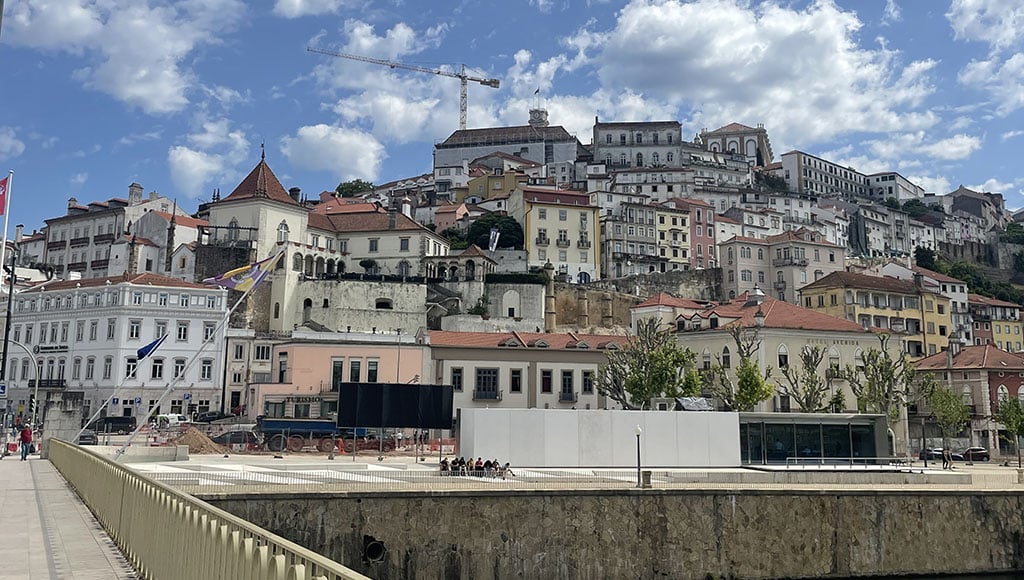
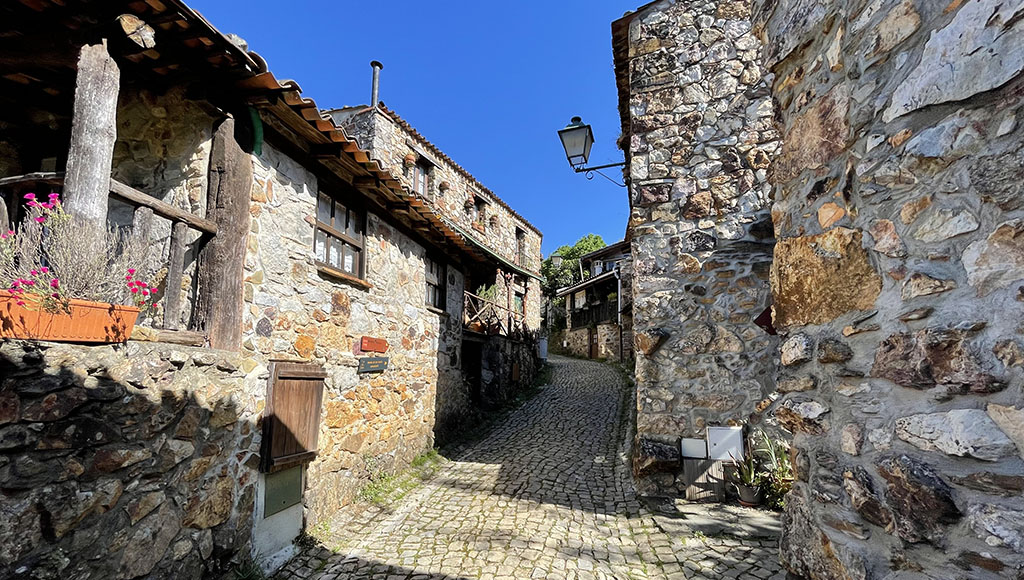
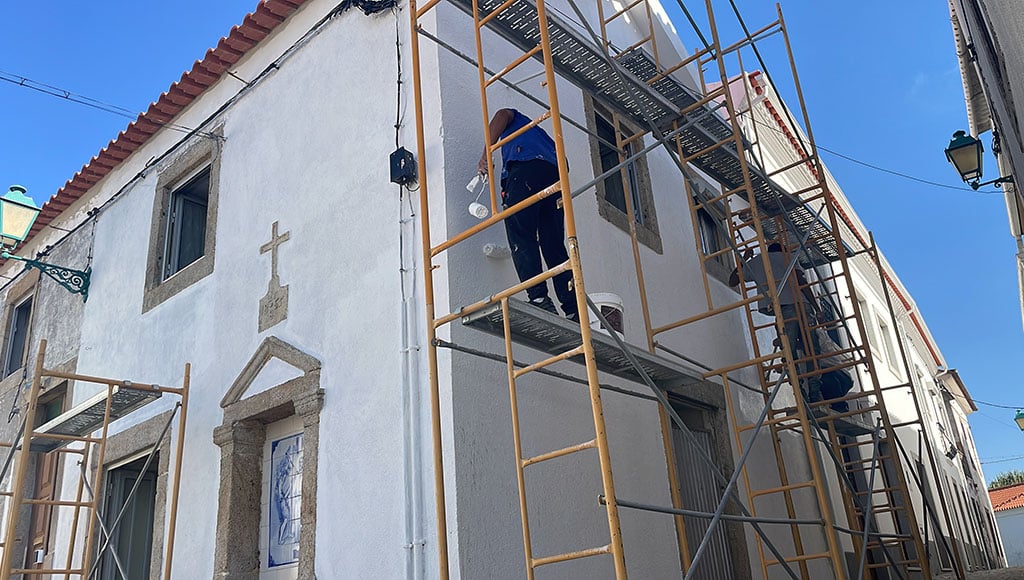
The region is home to historic cities such as Coimbra, known for its ancient university and culture; Tomar with its Templar history; and smaller towns like Castelo Branco, Viseu, Leiria, and the seaside city of Figueira da Foz on the Atlantic coast. But it’s the rural villages and countryside where Central Portugal’s charm shows through. Its cobbled lanes, villages with houses made from local stone, olive groves, wildlife and age-old traditions ensure the region is very much alive.
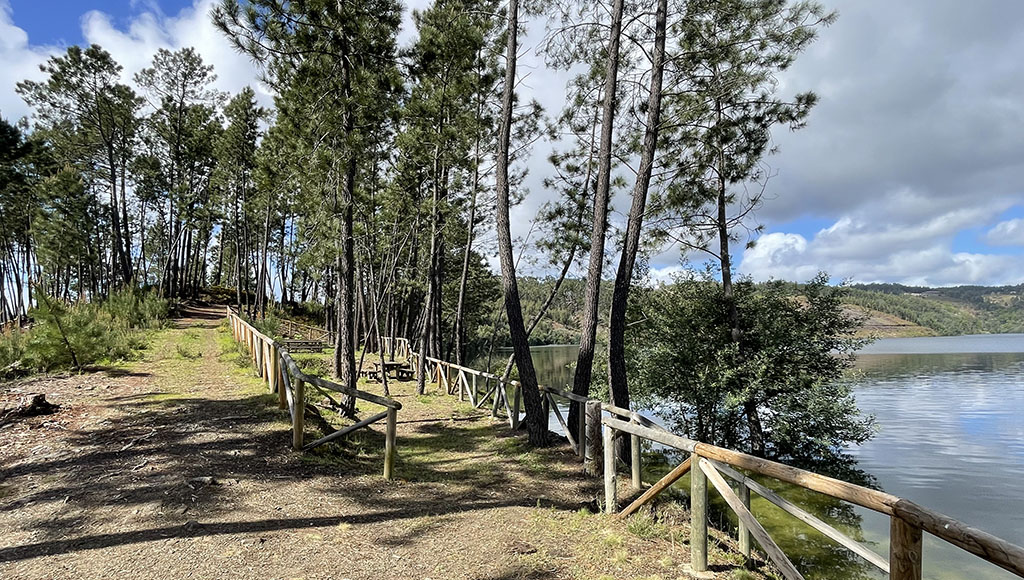
Nature is a constant presence. The Serra da Estrela, Portugal’s highest mountain range, offers hiking, stunning views and even some basic skiing at Portugal’s only ski resort. The region is also home to countless ‘river beaches’, clean water pools formed by damming rivers and streams to provide locals with a swimming area, often nestled in forested valleys.
Cost of living
One of the most attractive aspects of life in Central Portugal is its affordability. Compared to the Algarve, Lisbon, Porto, indeed much of Western Europe, the cost of living here is strikingly low. Essentials such as food and drink are inexpensive, and local produce including cheese, bread, wine and honey is both cheap and high-quality.
Dining out is also affordable. Portugal has a long history of lunchtime dining and cafes and restaurants vie with each other to attract locals with a low-priced ‘prato do dia’ (dish of the day) at between €10 and €15, including soup, main course, drink, and a coffee. Evening meals for two are not expensive, normally €20-€30 each.
Public healthcare is available and mostly free or low-cost, with private healthcare plans costing a fraction of those in the US.
Property
When it comes to buying property, Central Portugal offers some of the best value in the country.
- Restoration projects: old stone cottages or farmhouses that require full restoration can still be found for between €30,000 and €50,000.
- Ready-to-live homes: small, key-in-the-door village homes can be found from €60,000 to €150,000 depending on location.
- Fully renovated, three/four-bedroom, insulated and centrally heated homes in historic towns can be bought for €250,000 to €500,000.
- Land and sustainability: many properties include large plots of land ideal for gardens, animals, or those seeking an off-grid lifestyle. Many old farms have old trees, orchards and olive groves.
The legal process of buying property is relatively straightforward but due diligence is essential. Some countryside properties may have unclear boundaries, shared access, or lack of up-to-date ownership documentation. Working with a reputable local lawyer or solicitor is highly recommended even if the realtor says everything is in order.
Foreigners can buy freely in Portugal, and many expatriates choose to set up home here, from retirees and digital nomads to young families looking to escape city life.
Challenges
While idyllic, life in rural Central Portugal does come with some challenges. For example, local public transport is limited in remote areas despite a functional national railway system, so it is best to own your own vehicle.
The bureaucracyfacing immigrants from non-European Union countries can appear baffling and overly complicated, mainly because much of it is. There are agencies that advise and can help with this necessary burden, but the pace of the State’s processes often is slow.
You can get away with not speaking Portuguese if you live in the Algarve, Lisbon and Porto and other of the larger cities, but the more rural you go, the more an element of linguistic effort is appreciated and welcomed. Many older Portuguese nationals speak or understand French as it was taught in schools until the 1990s. Many younger people speak English, older generations may not.
A quiet revolution
In recent years, Central Portugal has seen a quiet influx of newcomers, drawn by affordability and a calmer pace of life. Most areas now have at least a smattering of foreigners who generally wish to integrate into local life rather than living in an ‘expat bubble’.
New arrivals are welcomed as they bring energy and investment into rural communities, often restoring abandoned homes, planting gardens, and participating locally.
Conclusion
If you long for a self-sufficient lifestyle, a peaceful retirement, or just an escape from urban life, Central Portugal offers an inviting and certainly affordable opportunity with property prices at current levels. A meaningful life surrounded by nature and part of a wider community is exactly what many incomers have been searching for and have found in the center of this peaceful, welcoming country.