Summer is here, and everywhere is crowded with visitors who come to our country to experience a lifestyle we can sometimes take for granted.
In the Algarve, they come for the beaches, as we have some of the most beautiful in the world. In Lisbon, they come for the culture and vibrant nightlife, and to see the monuments that reflect Portugal’s remarkable maritime and trading history. Further north, Porto and the Douro Valley attracts wine lovers eager to discover how our world-renowned wines are made. All over Portugal, there is history, tradition, and culture waiting to be explored, but one thing that unites every region, is the food.
I do not think people come to Portugal just for the food, but maybe they should. Portugal has some of the finest dishes in the world, not because they are elaborate or extravagant, but because of their simplicity, honesty, and focus on fresh, seasonal ingredients. Portuguese cuisine is Mediterranean in style and influenced by centuries of colonial connections with Goa, Mozambique, Angola, and Brazil, as well as the Atlantic Ocean and the Age of Discovery, when spices arrived from the East. Our food uses a flavourful mix of spices and herbs. Garlic, bay leaves, sweet paprika, piri-piri, parsley, and coriander are common. Cloves and cinnamon surprisingly appear in both savoury and sweet dishes.
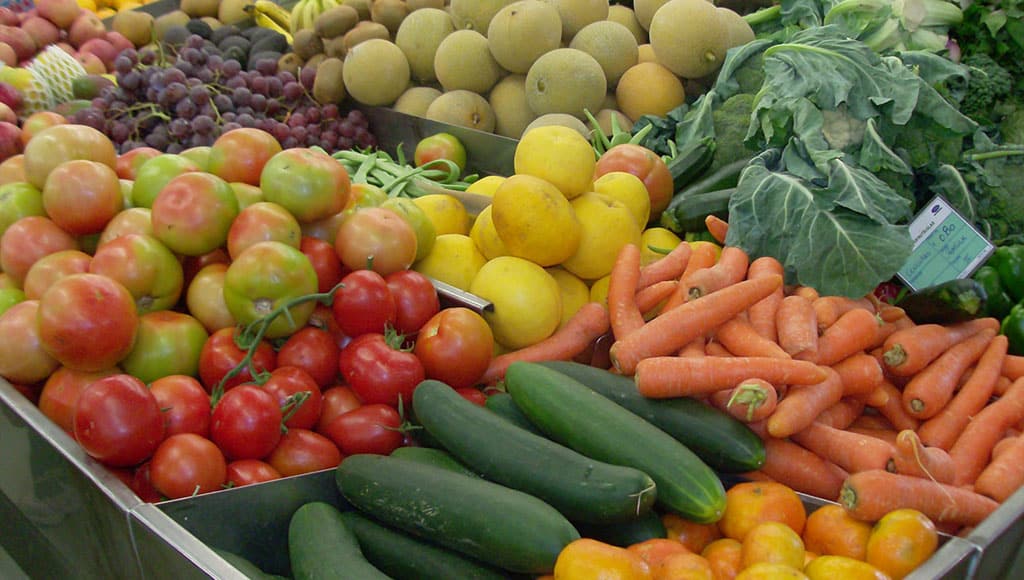
Naturally, the coastal regions focus more on seafood straight from the sea, where traditional fishing boats can be seen bringing in the daily catch for the local markets. For generations, families have fished and sold their catch in the ‘Mercado Municipal’ market, where fresh, home grown produce create a profusion of colours with the yellow honey-sweet melons alongside huge green-striped watermelons, bright red, green, and yellow peppers (amazing when grilled), and enormous red tomatoes, best eaten sliced with onions, drizzled with olive oil and sprinkled with salt.
Inland, meals often feature bean or chickpea salads, grilled meats, sausages and seasonal vegetables, food tailored to the heat and festive mood of summer. Did you know that every part of the pig is used in Portuguese cooking? Soups are also amazing, especially watercress soup or ‘caldo verde’, a cabbage soup with a slice of ‘chouriço’.
At restaurants, expect crusty bread, olives, cold meats, and cheese while you wait for your meal. Note that these are not complimentary, even if placed on the table without being requested, though most waiters now ask if you want them.
Any dish paired with a Portuguese wine is a treat as our range of wines is impressive, and each region has something special to offer.
Let’s not forget the wonderful desserts and pastries which often take inspiration from conventual sweets created in monasteries, using sugar, egg yolks, and almonds. Figs and carobs are also common. My personal favourites are chocolate mousse or rice pudding served cold with lemon zest and cinnamon.
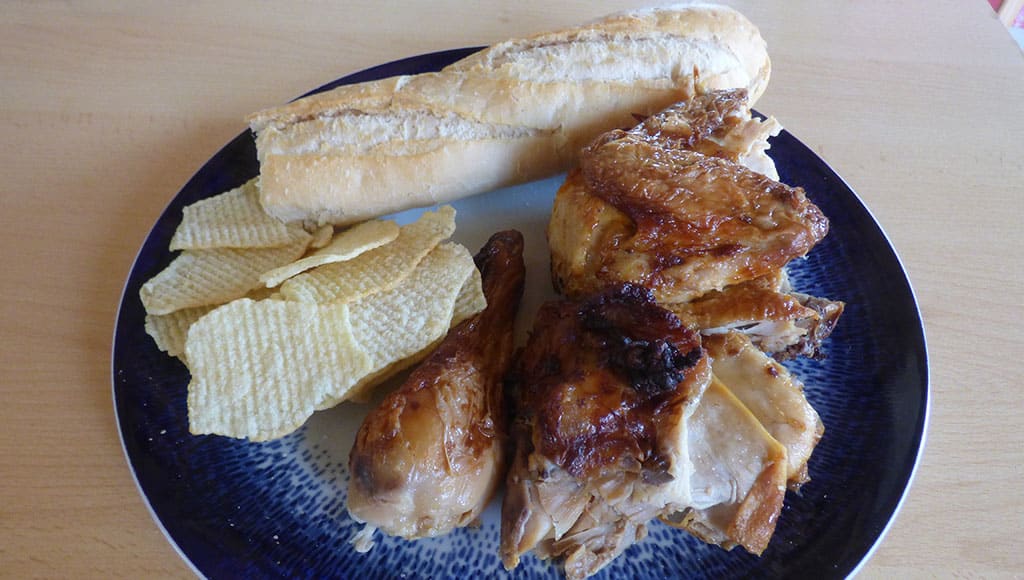
Most regions in Portugal have their own local traditional dishes, and then, of course, there are the national favourites like chicken piri-piri, which, in my opinion, tastes best when you are sitting on a wall overlooking the sea, eating it with your fingers, fresh bread, and a packet of salty crisps!
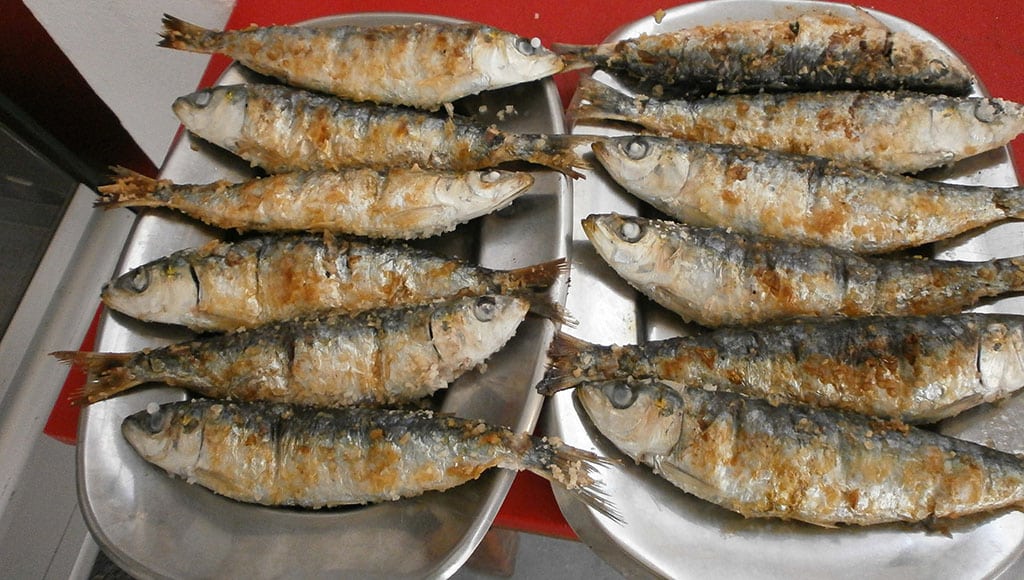
Bacalhau (salted codfish) is a year-round staple with over 365 recipes, but in the summer, sardines are the stars. Caught plump and fresh, simply salted and grilled over charcoal, they are incredible. Sardines should not be eaten with a knife and fork but are traditionally placed on a chunk of fresh bread that absorbs the juice as you pull off pieces of the succulent flesh. Served with boiled potatoes drizzled with olive oil and a tomato-and-onion or grilled pepper salad, there is nothing better to delight your taste buds. Families often gather for ‘sardinhadas’, eating sardines, laughing, chatting, and enjoying the simple pleasure of being together over a traditional meal.
In July, octopus is also in season in the Algarve. It is served roasted with olive oil, garlic, and potatoes, or chilled in a salad with onion and parsley. It pairs wonderfully with vinho verde or white wine. Though I am not a fan, the smell of it roasting is very tempting.
We have so many local fruits too. The various melons are best chilled and served before or after a meal. As a child, our Portuguese family always said it was dangerous to drink water after eating melon, a fact I have never verified! Cherries and figs are also on the menu. We have a purple fig tree in our garden that produces honey-sweet fruit, although the starlings, blackbirds, sparrows, and azure-winged magpies often get to them first.
Snails reach their peak in July too, though only for a short time. Across Portugal, they are a delicacy eaten at festivals and bars, usually accompanied by a cold ‘imperial’ beer that pairs well with their spicy peppery flavour. I do not eat them now, but I remember collecting and cooking them when I was around twelve.
One of the secrets that visitors to Portugal should know is this: eat where the local Portuguese people eat, not where the tourists do. Then, you are guaranteed traditional, wholesome food. It frustrates me when tourists come here and ask for British dishes like fish and chips, roast dinners or full English breakfasts. They are missing out on so much if they do not try local cuisine, for food is a central part of life here. Lunch is not a quick sandwich. It is soup, a main dish, fruit or dessert, and a bica (espresso).
Portuguese cuisine is all about fresh, seasonal ingredients and relaxed, social dining. It is not about fancy techniques or elaborate menus but about sharing food and enjoying the experience. When my family moved back to Portugal after nineteen years, it was the thought of all the wonderful dishes from my childhood that excited me most.
Now as August arrives, Portugal slows down (even more!), and nothing is rushed. Lunchtime meals can stretch into the late afternoon, and dinner prolongs late into the night. Chatter, laughter, and music can be heard everywhere. People relax in restaurants and cafés, the elderly sit outside their homes or rest on their windowsills watching the world go by, while youngsters run around as everyone enjoys the warm summer nights filled with delicious aromas of traditional food cooking. In summer, food festivals are held all over the Algarve, so make sure to visit at least one!
We must not forget the popular street food, the famous ‘bifanas’, pork steak sandwiches eaten almost everywhere. But that is for another article!
So now you know!