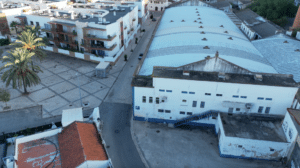
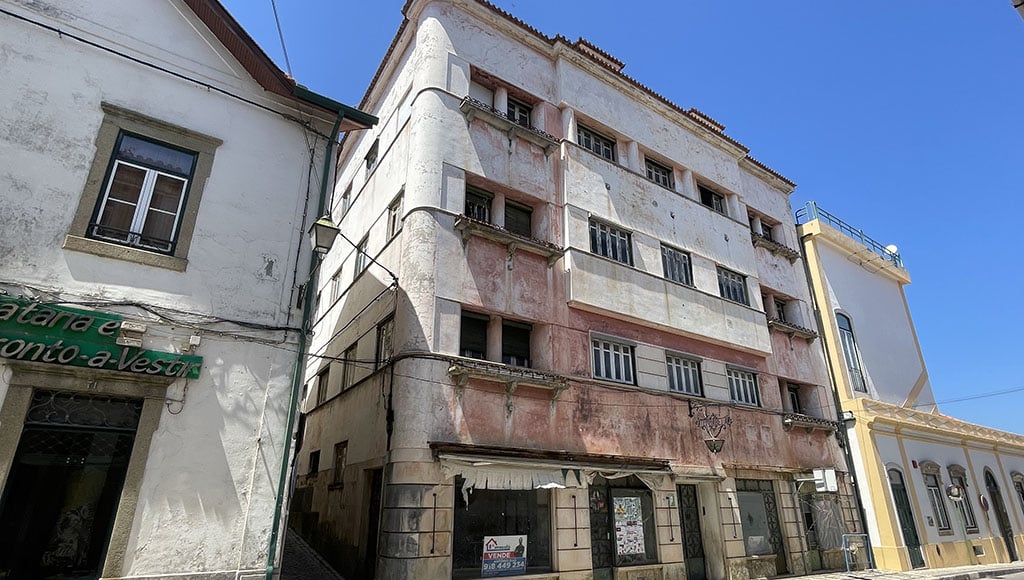
Just my sort of day; a late morning appointment to visit an abandoned textile factory that had just been listed for sale. I knew the location, it was hard to miss as the building stood, shuttered and sullen, at the eastern entrance to the town of Figueiró dos Vinhos, giving the impression that the area had seen better days.
The factory’s owners had moved their business some years ago to modern premises and finally had agreed to sell the unwanted building whose roof now was in danger of collapse.
I carried on into town and found it immediately interesting and a cut above many in the Leiria district. Once a favoured retreat for the nobility and referred to as ‘the Sintra of the North’, Figueiró dos Vinhos lies equidistant to Lisbon and Porto in the Central Region and has traceable history from well before Portugal’s period of Roman occupation.
The town was awarded its Charter in 1204 by D. Pedro Afonso, the count of Barcelos and son of the first King of Portugal but, unlike Sintra, Figueiró dos Vinhos did not expand and overdevelop. This has become an advantage as incomers turn to rural authenticity, space and healthy living and are not plagued by crowds of tourists that currently overburden many historic areas in Portugal.
This was in 2020 and as I wandered through the town, I soon saw why so many incomers had chosen to live there; it is packed with history, art and culture.
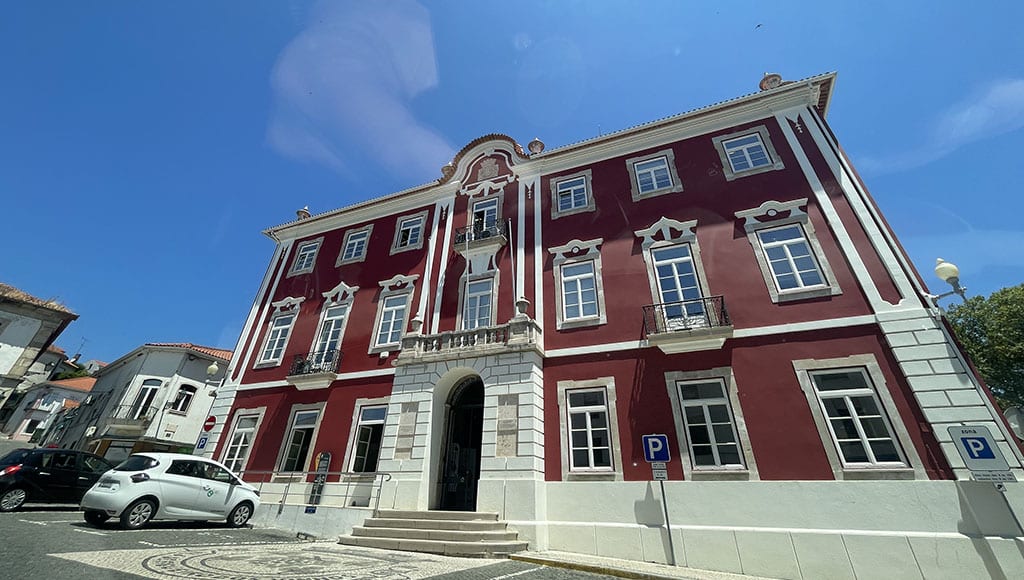
There is the old jail tower (1506), the main church dating from the 1200s and the Convento da Nossa Senhora do Carmo (1598) which survived, albeit in reduced circumstances as it lost most of its land and became a hospital until the mid-19th century. There are exhibitions and events at the Museu e Centro de Artes and at the Casa do Pintor art centre, built by the renowned artist José Malhoa; even the council building is impressive, rebuilt in 1936 in a French style.
The outlying villages are self-assured and well populated. The town serves its residents as a local cultural and commercial hub, but it really comes into its own during the summer months when a programme of festivities and concerts light up its centre. As an example, the internationally famous singer Mariza tops the bill at the 2025 Festival of Fado this August.
To cool off in the summer heat, locals and visitors congregate at the Fragas de São Simão’s river beach to enjoy the rock formations, pools and waterfalls, with many also visiting the nearby picture-perfect village of Casal de São Simão.
We did not purchase the textile factory, I couldn’t make the figures work, but the company did buy a village property for development, later sold to a young couple who had the backing of the hugely popular government scheme to help the under-35s get on the property ladder.
Later, at the edge of the village of Ribeira da Vinha, some six kilometres from the town, we bought a beautiful stone farm building for sale to someone wanting to rebuild a smaller property themselves, with help and guidance from Rural Properties if this is required.
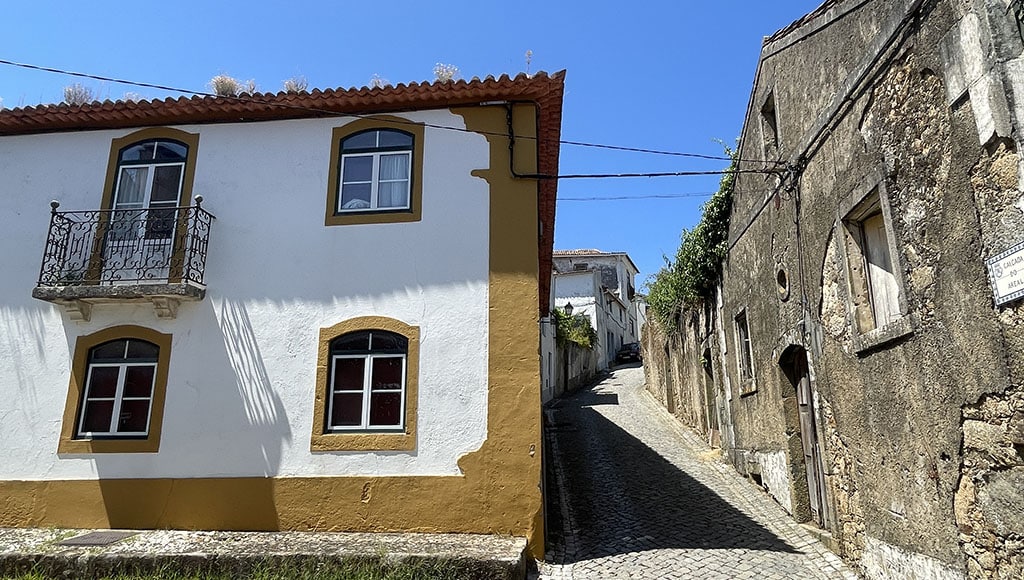
Figueiró dos Vinhos is a municipality, so the town’s infrastructure is functional for day-to-day administration, education and healthcare, but the reason many move there is the excitement of buying into a gem of a town that has history, art, culture (it is the spiritual home of the country’s famous sponge cake, pão de ló, after all) and is just the right size for that essential feeling of community and connection to remain strong.
For developers, there are property opportunities to buy and sell to a growing market of buyers, both national and international.
Many of the town’s older budlings already have been bought and renovated, but there are plenty left. Some properties for sale are large, such as the old Terrabela Hotel in the town centre, built in the 1950s and shut down decades ago.
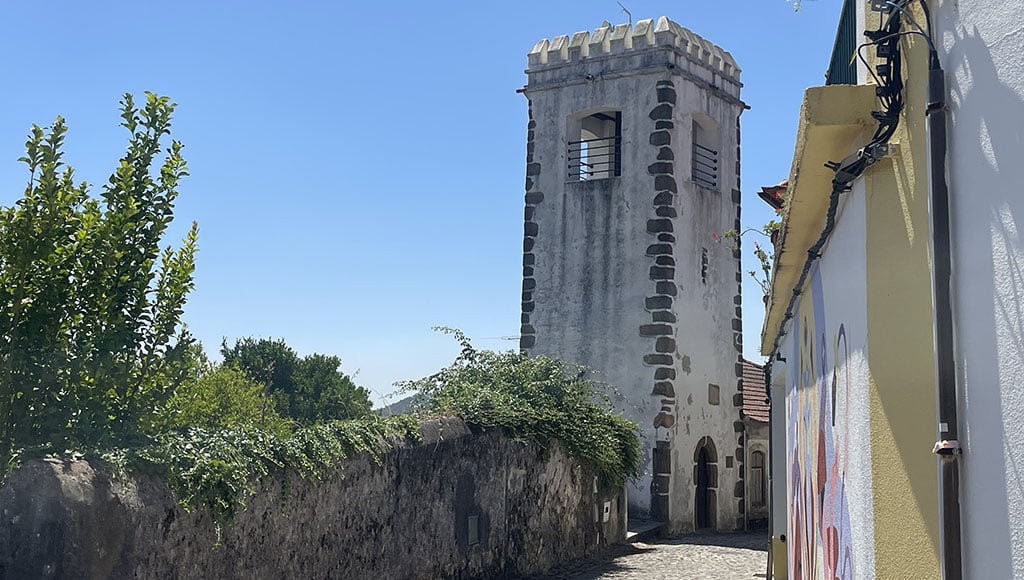
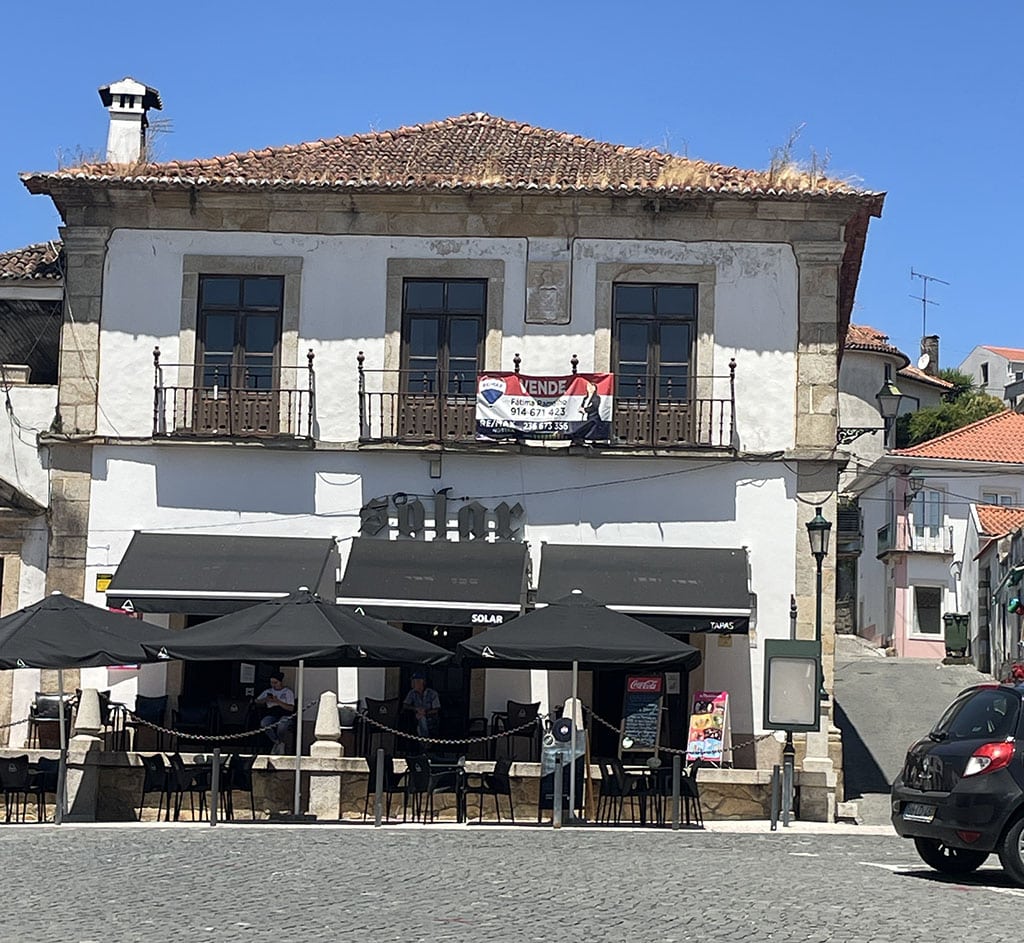
Another is the Solar overlooking the main square, once the home of Manoel Godinho de Sá, who was a Knight of the Habit of Christ and Captain-Major of India, where he spent 38 years. He returned with huge wealth and famously gave the local church a chest full of precious stones, “because God had brought it to the Kingdom”. For the past 20 years, this once glorious house has been used as an events centre.
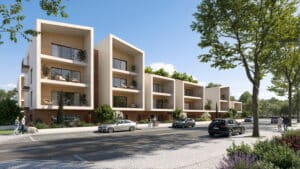
Family-sized homes are being brought back to life and there are some buildings that could be repurposed as apartments, serving a local need but competing with Lisbon and Porto residents seeking to own a second home in a beautiful, accessible area of the country.
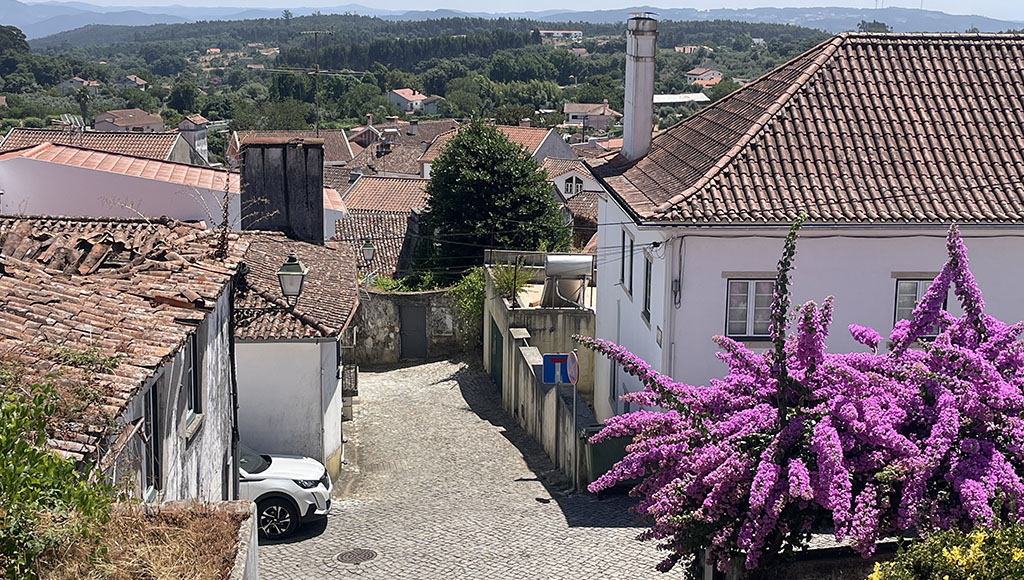
There remains a mix of ‘doer uppers’ (€300-€400 per m2), larger commercial projects (€120-€300 per m2) and ready-to-use homes (€1,000-€3,000 per m2), although anything brought to the market that can be lived in straightaway sells quickly.
Meanwhile, I am looking out for larger buildings that can be converted into apartments and for historic buildings of charm and potential that can be renovated and resold, which, after all, is what Rural Properties is all about and what Figueiró dos Vinhos currently provides.