“Firefighting helicopters lacking in critical regions” – SIC Notícias
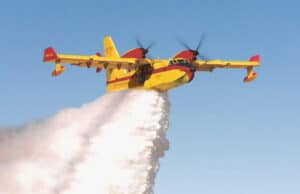
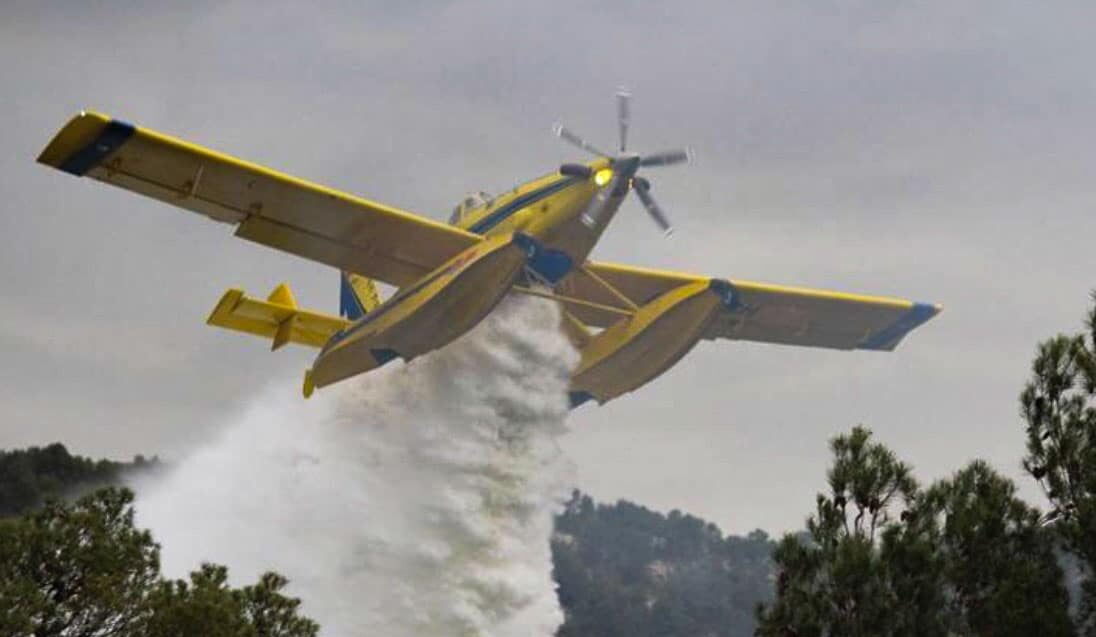
Now into its second day, and fanned by high winds, the fire that broke out in Ponte de Barca and is raging in the Peneda-Gerês National Park has been reinforced with four Spanish aircraft, ANEPC, the national emergency and civil protection authority has announced.
In a statement at midday at ANEPC’s headquarters in Oeiras, Lisbon, official Carlos Pereira said that the fire is being fought by “around 85 vehicles, 269 personnel, 13 aircraft, four of them Spanish (…) in support of the northern region.”
According to Pereira, the fire “has two active fronts”, one near the town of Froufe and the other near Ermida. “at this moment” it does not pose “any danger to the population (…) There has been no need to evacuate any homes, any populations, or any villages”.
This particular fire started early on Saturday night in Lindoso, Ponte da Barca, in the district of Viana do Castelo.
Asked on Monday what could explain why the fire broke out during the night, Pereira stressed that “it is a situation that the competent authorities, namely the GNR”, are on site to assess.
Carlos Pereira also acknowledged that there is an aircraft usually stationed in Alto Minho that is currently inoperative.
“The only aircraft that is “inop” (inoperative) was the second aircraft that was in Arcos de Valdevez, which is (now) in Portalegre, but it is “inop”, it is not operating. Whether in Portalegre or Arcos de Valdevez, it remains inoperative.”
The official added that ANEPC does not know why it is inoperative, noting that the Air Force reports it is due to ‘technical problems.’
Firefighting helicopters are lacking in critical regions
SIC Notícias has acknowledged the inoperative helicopter in the Alto Minho, adding that it has been “grounded for months and could have made a difference in the Ponte da Barca fire”, had it been repaired in time.
Another case is the lack of a helicopter in Santa Comba Dão, says the news outlet, which has already forced to call for resources from other regions to fight fires in the district of Viseu.
In short, “the country is beginning to deal with the first major fires of the year, and the lack of firefighting resources is now even more noticeable, especially those that were planned on paper but are missing in the field. This is the case of the helicopter that was supposed to be in Santa Comba Dão but was moved to Portalegre”, says SIC.
Commander Filipe Lopes, from Carregal do Sal fire brigade, explains that the helicopter from Viseu was also unavailable“ and it was necessary to call in air support from Águeda.
“In Arcos de Valdevez, two light helicopters should have been available for first response, but there is only one”, SIC reiterates, stressing had this failing not existed, the second helicopter could have “made a difference in the first hours of intervention, at a stage when the mobilisation of first resources makes all the difference in any theatre of operations”.
Heat shows no sign of letting up in coming days
High temperatures and wind are forecast for the coming days. These will be difficult days for the Civil Protection service, warns SIC.
The most affected region is the Alentejo, where there is currently a shortage of five helicopters. No company responded to a public tender advertised, leaving the Air Force to step in, only managing two aircraft, says SIC.
That said, the 2025 fire season should see the country with 72 aircraft available nationwide, which if this transpires will be the largest firefighting fleet ever.
Source material: LUSA/ SIC Notícias