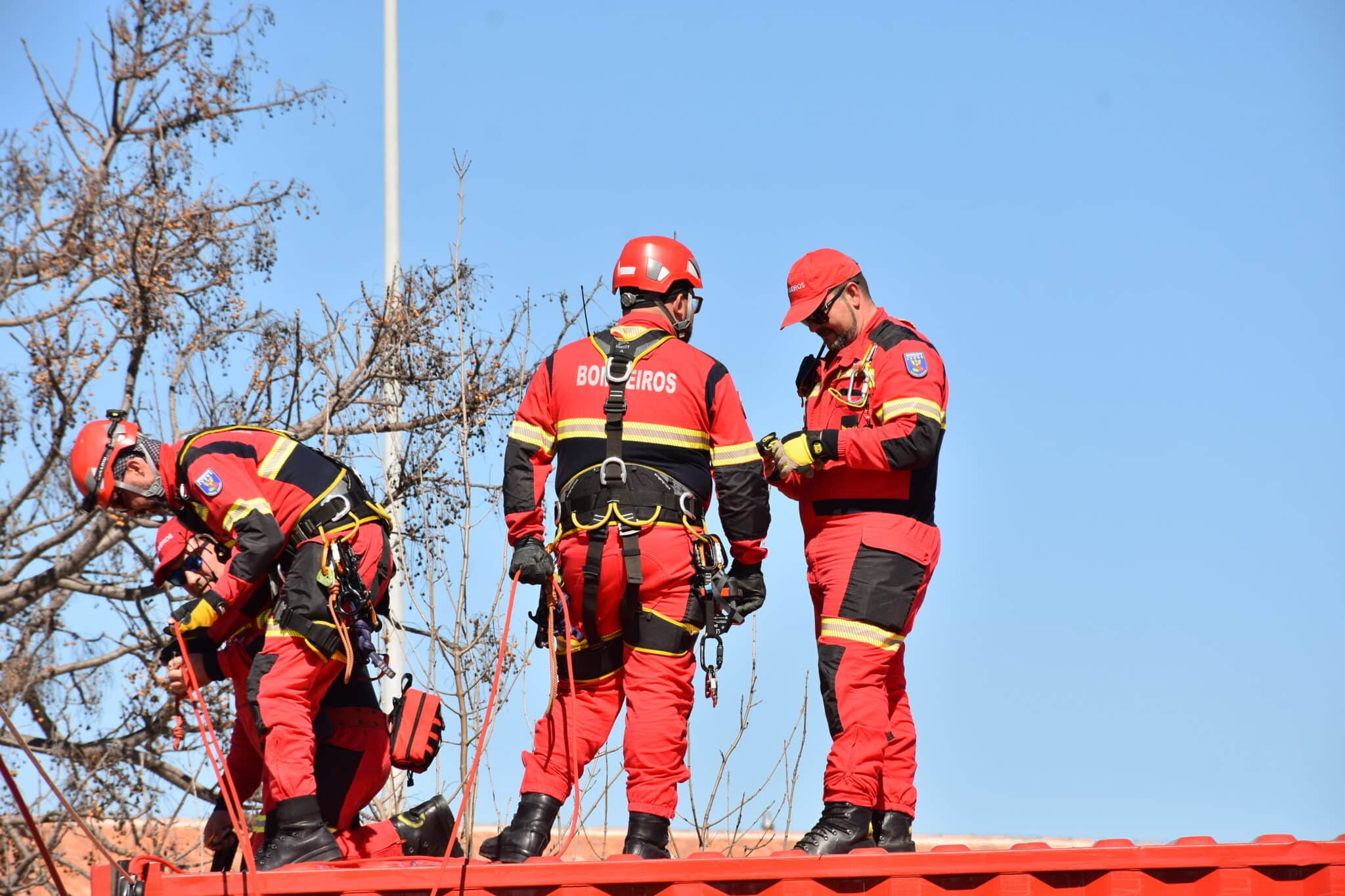
The Algarve Firefighters Federation has warned that rising fuel prices are putting serious pressure on the operational and financial sustainability of fire departments in the region.
Based in Portimão, the federation said the recent increase in oil prices – driven by international tensions and conflict in the Middle East – has pushed diesel costs to €2 per litre or more.
The organisation says the impact is particularly severe for fire services, which rely heavily on vehicles for emergency response, including ambulances, rescue units and firefighting trucks.
Most fire services in the Algarve operate under voluntary, non-profit associations, providing essential public services in civil protection, pre-hospital emergency care and rescue operations, the federation explains.
It adds that operating costs have been rising for several years even before this fuel price surge, without a corresponding increase in public support.
To illustrate the impact, it presented an example of a fire station consuming around 1,000 litres of diesel per week, which results in a monthly consumption of approximately 4,000 litres. With an estimated increase of €0.50 per litre, this leads to an additional monthly cost of around €2,000 and an estimated annual increase of €24,000, solely on fuel.
The federation noted that some fire stations have significantly higher fuel consumption, particularly those dealing with large volumes of emergency medical transport and rescue operations, meaning the real financial impact can be considerably higher.
The organisation is now calling for urgent measures, including increased financial support for fire associations, direct fuel discounts for emergency vehicles, automatic compensation mechanisms when fuel prices exceed set thresholds, and a review of fuel taxation for emergency and civil protection services.
“The increase in fuel prices is placing very significant financial pressure on fire associations. It is not acceptable for institutions providing an essential public service to continue bearing these energy costs without adequate compensation measures,” said the president of the federation.
The federation stressed that firefighters remain a cornerstone of Portugal’s civil protection system and warned that their sustainability must not be put at risk.
“When fuel goes up, firefighters cannot stop. Ambulances continue to respond, fires continue to be fought and help continues to reach people. The difference is that today it is costing fire associations much more,” the statement said.
The federation said its position will be formally sent to the Portuguese government and relevant authorities.