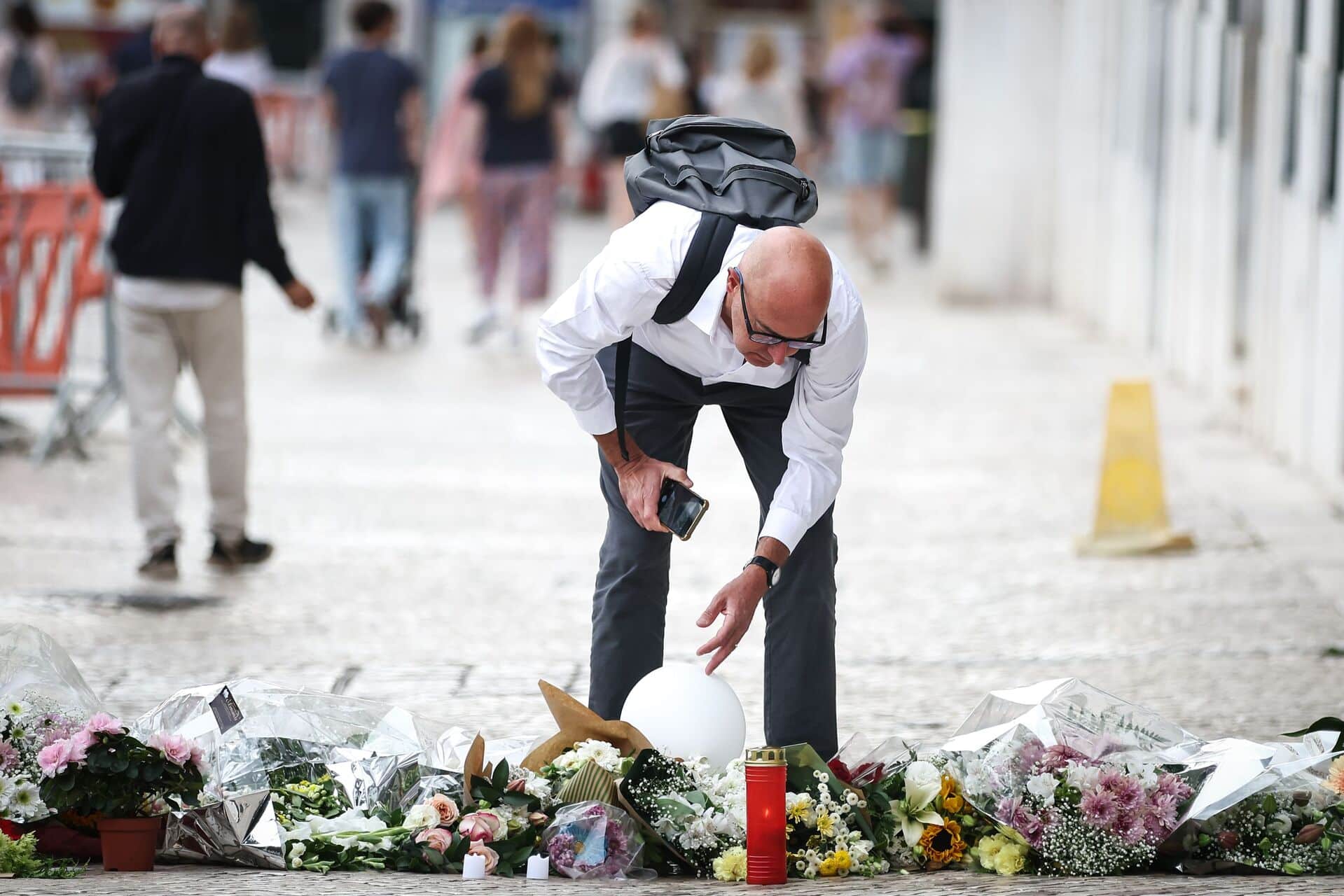
With the estimated ‘damages’ of the Glória funicular tragedy already being touted by media sources, CIL, the Lisbon Workers Committee, has come out on the attack today, slamming Carris (the company responsible for the city’s public transports) for “outsourcing that is solely profit-driven”.
In a statement released today, CIL makes a case for Carris’ maintenance work returning to workers within the company.
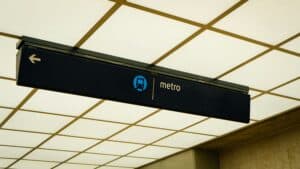
It cites as an example of how outsourcing ‘doesn’t work’: the multiplicity of out-of-order escalators in the Lisbon Metro – some of which have not been worked “for years”.
“It is essential that a rigorous and transparent investigation of all responsibilities be carried out (…) including “technical aspects related to the maintenance, inspection and operation of equipment,” says CIL.
The commission also wants an analysis of ‘the decisions and policies adopted by Carris management and Lisbon City Council – pointing to “the deallocation of four million euros from the mobility budget (divestment in Carris) in the 24th amendment to the 2024 Budget and the allocation of funding of the same amount to the Lisbon Web Summit”.
CIL insists that it needs to be clarified “whether the strategic and budgetary choices made by the local authority guarantee a safe and dignified public service for workers and users of public transport in Lisbon”.
These are the kind of statements that Lisbon Mayor Carlos Moedas will have been dreading, not just because they come long before the causes of this tragedy have been fully clarified, but because they will feed into the general ‘feeling of distrust’ over the quality of maintenance of Lisbon public transports weeks before the municipal elections (which, in Lisbon, could easily see the city ‘returning’ to a left-wing administration).
Later today, GPIAAF – the Office for the Prevention and Investigation of Aircraft and Railway Accidents – will be giving a statement on what it has verified this far, in terms of what caused the disaster which has taken 16 lives so far, with a number still hanging in the balance – and then it has promised its preliminary report within 45 days.
The funicular’s maintenance and supervision history will be thoroughly analysed, with the support of external assistance in the investigation.
GPIAAF coordinator Nelson Oliveira has said that ‘everything relevant to the investigation’ will be analysed. Not only will the initial design of the funicular be analysed (dating back to the end of the 19th century), but also its subsequent electrification and ‘successive improvements and renovations’, and above all the maintenance and inspection history.
“There is a long history, both in terms of operation, but mainly in terms of the maintenance regime to which it is subject, the supervision regime, and inspection by external entities,” he said.
This analysis will also include the training of the people who carry out the interventions, and “the service provision contracts that exist with providers external to Carris”, said the GPIAAF coordinator.
Source: Lusa