Package of measures to be presented on July 28
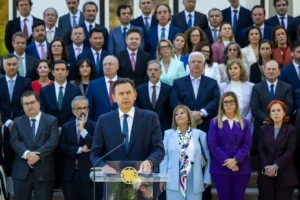
The government is to present a package of measures to strengthen the security of the national electricity system in the wake of the 28 April blackout that affected millions of people across Portugal and Spain.
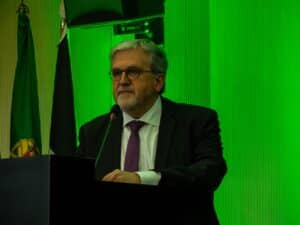
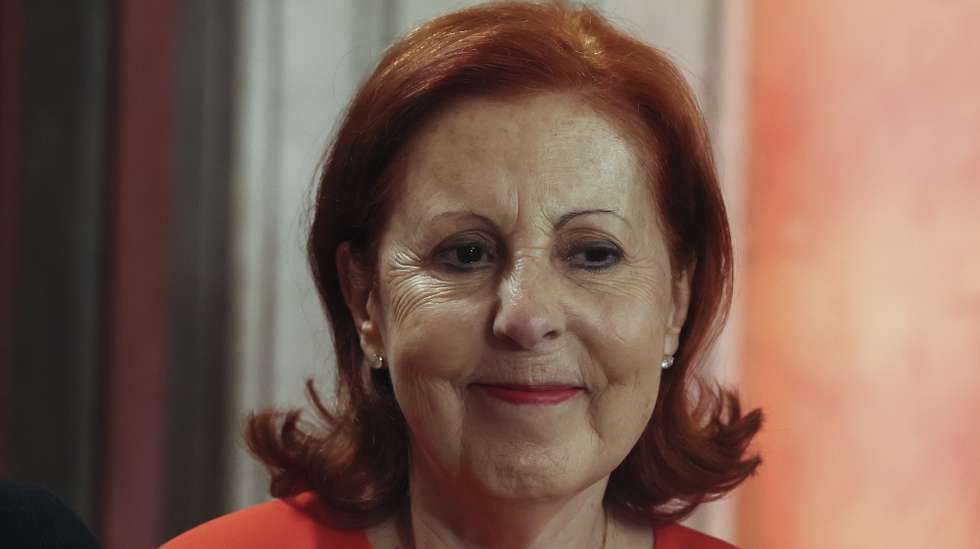
Marking three months since the blackout effectively cancelled a full working day, minister for the environment and energy Maria da Graça Carvalho said the plan is to ‘act now’ on the basis of the first technical conclusions – and prepare the country to avoid, or at least minimise, future blackouts.
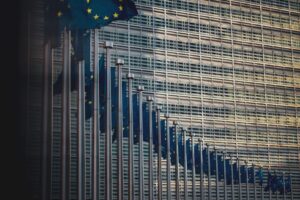
“The final conclusions of the independent report are not yet available, but there are already enough technical recommendations for us to start acting”, she said, after a meeting in Brussels with the European Agency for Energy Regulators (ACER), which is conducting the European audit into the incident.
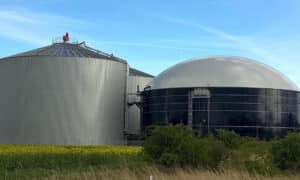
Among actions planned are reinforcing energy storage, increasing the system’s emergency response capacity (“black start”) – by doubling the number of power stations prepared to autonomously restart the electricity grid to four – and measures to speed up the licensing of energy communities and self-consumption projects.
Solutions are also being studied to improve the resilience of critical infrastructures, such as health centres or communications systems, through the installation of renewable production systems with batteries. “We need to better prepare society to react to these types of situations,” said the minister.
The package will also include legislative proposals, as well as the strengthening of voltage control in renewable power stations, in line with what was recently adopted in Spain.
Maria da Graça Carvalho also guarantees that the report being drawn up by ACER will be ‘truly independent’ and that the conclusion is expected to be presented at the end of this year, after the last technical meeting scheduled for October.
Even so, Ms Carvalho confirmed that some preliminary conclusions have already been validated: the blackout originated in south-west Spain, it was caused by several combined factors, including faults in voltage control, and there is no evidence of a cyber-attack.
The same conclusions were recently presented by the Spanish government.
Asked about possible compensation claims against Spain, the minister said that this is not the government’s current focus. “Above all, we want to thoroughly understand what happened, identify the real causes and take measures to prevent (such an event) from happening again”.
Maria da Graça Carvalho also said that the incident that left Portugal and Spain without electricity for almost 12 hours “accelerated European cooperation”: an agreement has recently been signed between the governments of France and Spain and the European Investment Bank to finance the reinforcement of one of the electricity interconnections with the Iberian Peninsula – a long-standing demand of Portugal – with around €1.6 billion euros.
With regard to energy prices, particularly fuel prices, she is cautiously optimistic, despite the instability in the Middle East.
“Portugal is relatively protected due to the diversity of suppliers and routes. Our imports come mainly from the Atlantic (and not the Strait of Hormuz), from Brazil, Algeria, the United States and Nigeria,” she said, conceding that the government will continue to monitor the situation “in coordination with the sector’s entities”.
Source: LUSA