Endless column inches have been written in the nation’s press since the weekend, all of them focusing on Portugal’s recognition of the state of Palestine ahead of the opening in New York today of the 80th United Nations General Assembly.
Portugal announced its willingness to recognise Palestine’s right to exist some weeks ago – after an initiative led by France during the summer started gaining traction – but it only officially declared its recognition of Palestine on Sunday.
Israel and the United States have demonstrated their displeasure, but the majority of the world’s countries are ‘sticking together’ on this issue.
Over 80% of the membership of the United Nations now recognise the state of Palestine – and after the latest selection of countries (which included Canada, Malta, Luxembourg, UK, France, Australia, Belgium, Andorra and New Zealand) coming on board ahead of the UN meeting, that percentage will have crept up even further.
In Portugal, even the Portuguese Association of Jews is in favour of these changes, encouraging what may well be the ‘next step’: sanctions imposed by Brussels on Israel. These are already being discussed, while the understanding is that recognition on its own is only a symbolic gesture: it cannot change anything on the ground for Palestinians desperate to find peace and calm, but it can move the dial towards pushing Israel to come to the negotiating table. At least, that is the ‘general thinking’ among diplomats and commentators.
Practically, Israel is ‘smarting’: furious, indignant – considering that countries recognising Palestine are rewarding terrorism after “the worst massacre of Jews since the Holocaust” (this being the complaint of Israel’s deputy foreign minister Sharren Haskel – who did not refer to the subsequent massacres of thousands of Palestinians in Gaza).
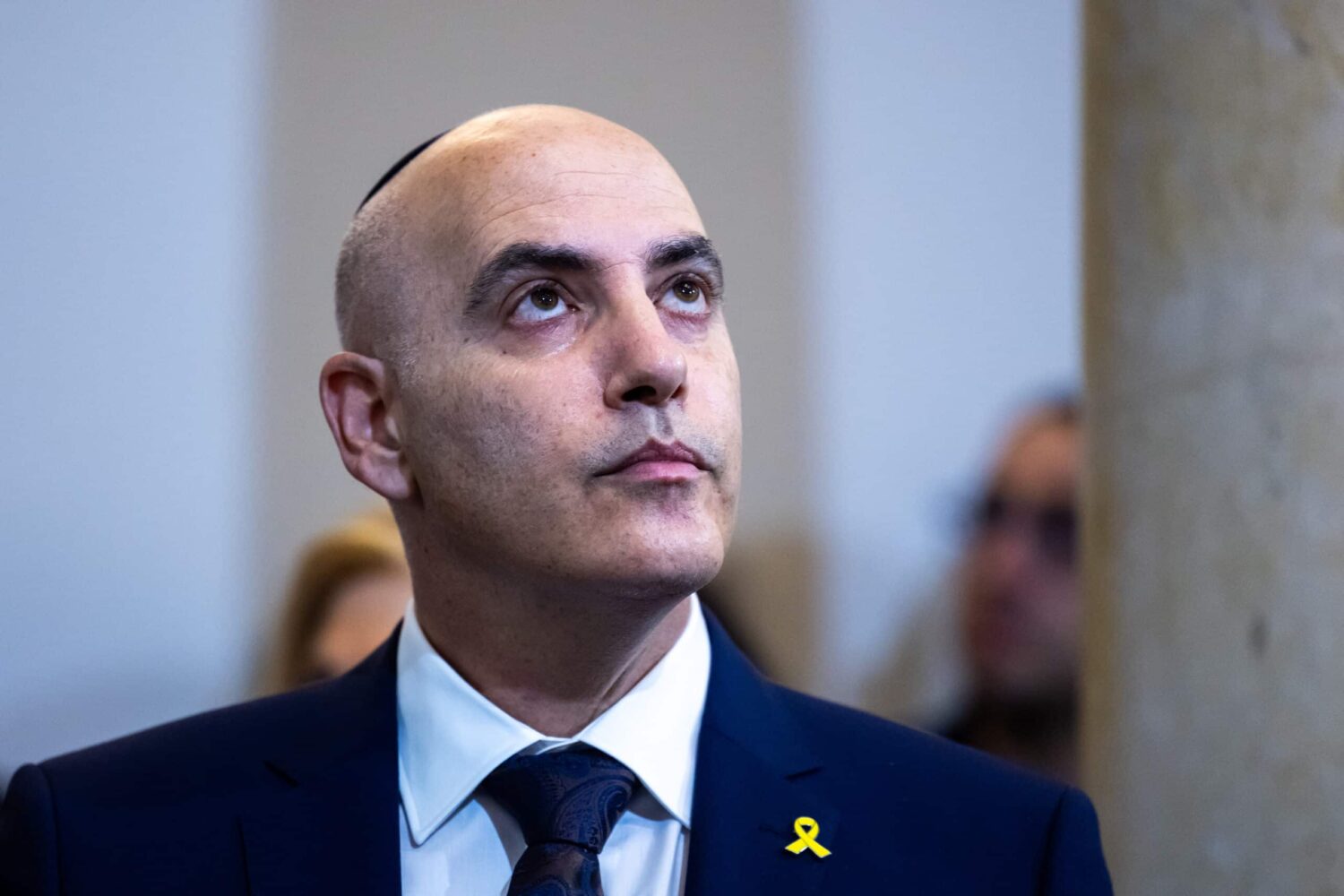
In Portugal, Israel’s ambassador to the country, Oren Rozenblat, has been interviewed by SIC Notícias to describe his feelings of the new position.
The first thing Mr Rozenblat seemed to want to convey was that Israel “will not stop” until all the hostages are liberated. Previous reasons for not stopping have been ‘until Hamas has been destroyed’. But on Sunday night, Mr Rozenblat returned to the proviso over hostages, labelling Portugal’s decision “sad”.
“We need the help of our friends,” he said. “Portugal is a friend of Israel, with the special history between our people…”
Mr Rosenblat then went on to suggest that it was Hamas who “opened the war” (an assertion that appears to have ignored the last 100 years of fighting on the territory)
“Now is a time of war,” he said. “We need to act to free hostages, and we will not stop until all 48 of them, including Portuguese nationals, are freed.” (The reference to Portuguese nationals being Israelis who have taken up the opportunity given by Portugal in its ‘Sephardic Jew amnesty’ that has now ended).
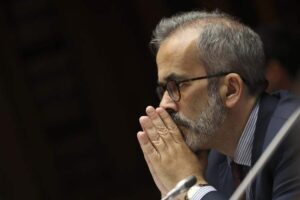
In Portugal’s announcement of the recognition of the state of Palestine, foreign minister Paulo Rangel stressed the unanimous position among parties represented in parliament, and the resolve that recognition (of Palestine’s right to exist) is “the only way to achieve a just and lasting peace”.
The Portuguese government “also reaffirms the right of the state of Israel to exist and its effective security needs, as well as the special friendship between the Portuguese and Israeli peoples”, said Rangel – condemning once again the atrocious terrorist attacks of October 7 2023, carried out by Hamas.
Mr Rangel also returned to the “demand for the immediate release of all hostages and the return of dead hostages to Israel” and “the need to combat all forms of anti-Semitism”.
“The declaration of recognition does not erase the ongoing humanitarian catastrophe in the Gaza Strip,” he conceded – but it may be a stepping stone along the way to change for the better.
Certainly, in Tel Aviv, Sharren Haskel ruled out any form of retaliation against Portugal. The country continues to be seen as an ‘ally’, home to many Israelis, she said – admitting nonetheless that relations with France, where the impetus for recognition began in July, “are strained”.