From ‘sitting on the fence’ to setting a date to hear “evidence”, Portugal’s government continues to raise eyebrows for not joining the list of 27 countries – including the US, Australia and UK – that have expelled or are expelling Russian diplomats over the poisoning of a former Russian double-agent and his daughter in Salisbury, UK, earlier this month.
Left-wingers who helped PS Socialists seize power are, however, delighted – praising the stance as “prudent”, and in line with a Constitution rooted in peace, while centre-right CDS MEP Nuno Melo concedes the government ‘could be right’.
The official line is that the executive will be in touch with Portugal’s ambassador to Moscow (conveniently on holiday in Portugal for Easter) – to hear his take on what has been universally interpreted as a Russian attack with a weapons-grade nerve agent, but wants to wait until a meeting of European foreign affairs ministers scheduled for April 16 before it makes any further decisions.
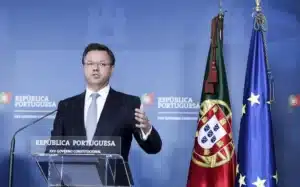
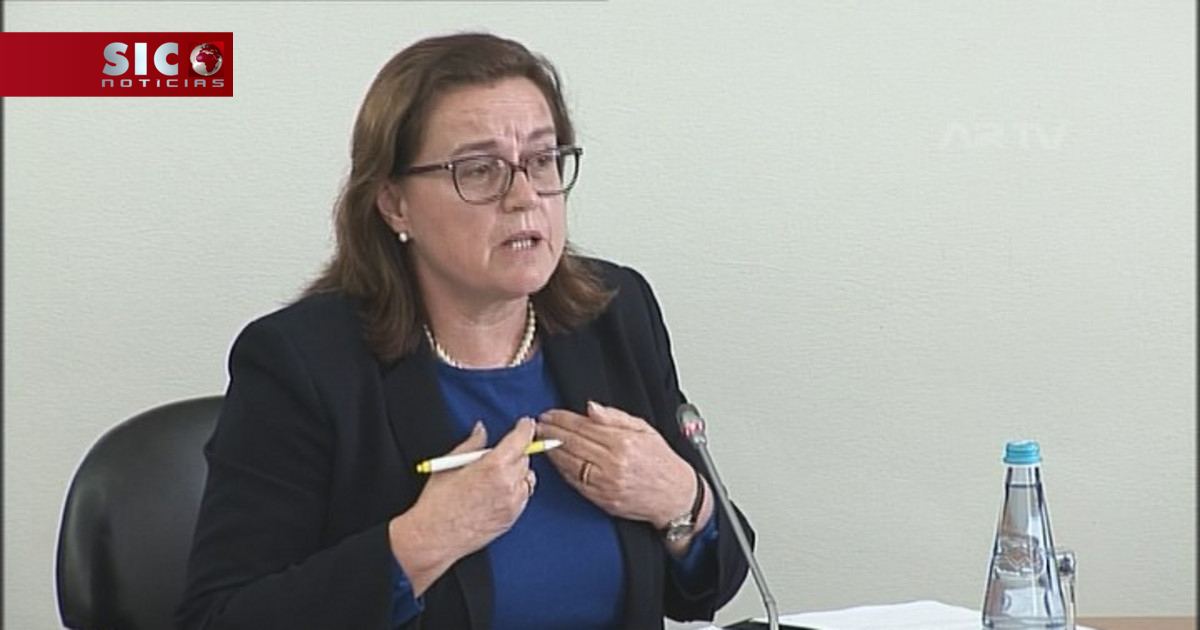
Quizzed in parliament, secretary of state for European Affairs Ana Paula Zacarias stressed that if Portugal opted to follow other countries’ leads, it would enter “a spiral of expulsions and counter expulsions, but where would it leave us? We only have three diplomats in Moscow. If we expel diplomats we will end up with no-one there. How then would we receive the information we need so badly at this point?”
People’s tabloid Correio de Manhã agrees that “criticism is raining down on the government for not having followed its allies” – particularly UK which is often described as Portugal’s oldest ally – but in the opinion of its deputy director general Armando Esteves Pereira:“this time Portuguese diplomacy has acted sensibly.
“Portugal gains by constructing bridges in an increasingly complicated world”, the leader writer continues.
“ It is a sovereign country that is not obliged to follow diplomatic policies like ‘Maria who does what everyone else does’.
“This time Portuguese prudence is the sensible manifestation of sovereignty, in the defence of national interests”.
Jerónimo Sousa, leader of PCP communists adamant that they will not point fingers without concrete evidence, stressed: “In the underworld of espionage no one can really be sure of anything. We have to know who is responsible, naturally with all the consequences”.
Russia’s minister for foreign affairs has reiterated his country’s response that it is being made an “object of political provocation” and had nothing whatsoever to do with the Salisbury attack.
natasha.donn@algarveresident.com
Photo: Explaining the government’s reasoning, Ana Paula Zacarias, secretary of state for foreign affairs