Green transition cannot be built on environmental harm, social injustice
Three NGOs are challenging the European Commission’s backing of a controversial lithium mine in northern Portugal.
MiningWatch Portugal, ClientEarth and the citizens’ group Unidos em Defesa de Covas do Barroso have filed a complaint challenging theEuropean Commission’s decision to grant preferential status to the Covas do Barroso lithium project in northern Portugal.
The proposal for an open pit mine was designated a ‘strategic project’ under the Critical Raw Materials Act (CRMA). This status allows it to enjoy preferential treatmen in permitting, assessment of environmental impacts, and for financing.
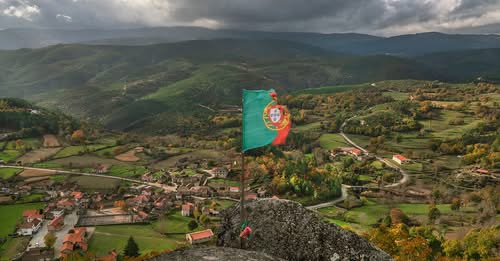
“This fast tracking comes despite evidence that the project could threaten local water resources, harm biodiversity, and disrupt the traditional, culturally significant farming practices that sustain the community of Covas do Barroso”, says a press release issued by the NGOs.
In their opinion, the European Commission has failed to properly assess the environmental and social risks of this project, wrongfully granting it strategic status.
ClientEarth lawyer, Ilze Tralmaka said: “This mine poses a serious threat to a fragile ecosystem and a unique cultural landscape, where a community has consistently voiced its opposition. The European Commission must not allow the green transition to be built on environmental harm and social injustice.”
Among key concerns is the project’s unsafe tailings storage design, which expert evidence warns could result in ‘catastrophic failure’ during heavy rainfall, contaminating the Douro River system. The proposed water sources for the mine have been deemed unviable, and the site’s approval does not meet necessary environmental conditions.
“Labeling this project as ‘strategic’ serves only to justify environmental degradation and harm to local communities, while overlooking lithium’s uncertain economics and Europe’s continued inability to develop a coherent battery value chain” adds Nik Völker from MiningWatch Portugal. “This sets a dangerous precedent: turning European peripheries into sacrifice zones, without clear planning, fairness, or accountability in the implementation of the green transition.”
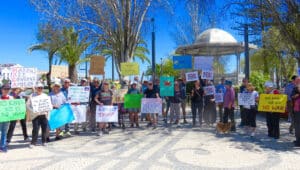
Local residents have long warned that the project endangers not only their land but also their livelihoods. In fact, they only recently stressed that even though they feel totally abandoned by the nation’s government, they will never give up opposition to this mine.
“People here rely on clean water from springs and rivers: using it for drinking, farming, and livestock. If that water becomes scarce or contaminated, our way of life is at risk. For what? A few years of lithium traded for more cars and a new kind of pollution,” says Catarina Alves of Unidos em Defesa de Covas do Barroso.
The three groups argue that planning to simply replace petrol cars with electric ones without rethinking the mobility system as a whole is a false solution. “Real sustainability means prioritising public transport, reversing the trend towards larger cars and SUVs, investing in recycling, and thereby reducing the need for new mining, while supporting – not sidelining – rural communities,” adds Alves
The NGOs’ case also highlights wider concerns about the transparency and integrity of EU strategic project approvals. They urge the Commission to adopt a rigorous, evidence-based process that independently verifies promoters’ claims and prioritises projects that truly align with Europe’s sustainability goals.
In short, the NGO alliance is calling on the Commission to review its decision.
This in itself is only ‘yet another step’ in the eight year process of local opposition. According to the NGO’s press release dated today, “the Commission must officially reply to this internal review request within 16 weeks, a deadline that can be extended up to 22 weeks. If the claimants find that the Commission’s reply does not fix the legal violation (that they are alleging), the claimants can sue the Commission in the Court of Justice of the European Union”.
As this newspaper has pointed out, by then the plans will have undoubtedly moved further forwards, encroaching even more on locals’ lives and rights, which they complain are already being trampled over. But Nik Völker is quietly optimistic. He explains: “Savannah still has some regulatory and financing steps to take, including taking the ‘decision to mine’ after presenting the definitive and economic feasibility study. So construction of the mine won’t start before 2026 or 2027, which coincides with the latest time forecast of Savannah, with ‘production from 2027 on’. But at the current market conditions this probably won’t happen. In Australia, numerous open-pit mines exploiting the same hard-rock lithium ores of spodumene, with way better economics due to higher ore grades and volumes, are shutting down since 2024 due to the notoriously low lithium price. The Australian government has even set up a ‘Lithium Industry Support Programme’ to subsidise struggling mining companies and to maintain jobs”.
In this way, the determination of Barroso locals remains steadfast. As they repeatedly say, they will not be giving up. ND