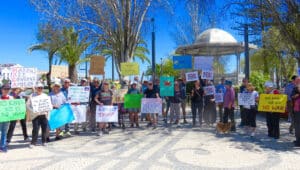
A citizens’ movement has criticised Lagoa Council for restricting public participation and persisting with plans that place pressure on the Algarve coast.
The STOP UP12 movement opposes a new public consultation linked to plans for the Albandeira area in the Lagoa municipality. The proposal concerns the creation of a new Detailed Plan for Albandeira, known as PP–ATE A1, connected to the UP12 urbanization project, involving a tourist complex with more than 1,000 beds.
STOP UP12 said the Algarve coast faces pressure from climate change, increased tourist numbers and prolonged drought. Despite these conditions, the citizens’ group said the municipality has launched a new consultation connected to further urban development in “one of the few remaining unspoilt coastal areas in the western Algarve”.
After the rejection of the previous Detailed Plan for Albandeira ATE A1, Lagoa Municipality reopened the process. The new public consultation opened with a participation period of 15 working days, the legal minimum, from December 9, 2025 to January 2, 2026. STOP UP12 said the timing, during the Christmas and New Year holidays, reduces the ability of citizens, associations and civil society organisations to participate in an informed way.
The movement also pointed to additional requirements, including prior registration and validation by the municipality. According to the group, this “creates unnecessary bureaucracy and undermines transparency”, in contradiction with the Aarhus Convention, which guarantees public participation in environmental decision-making.
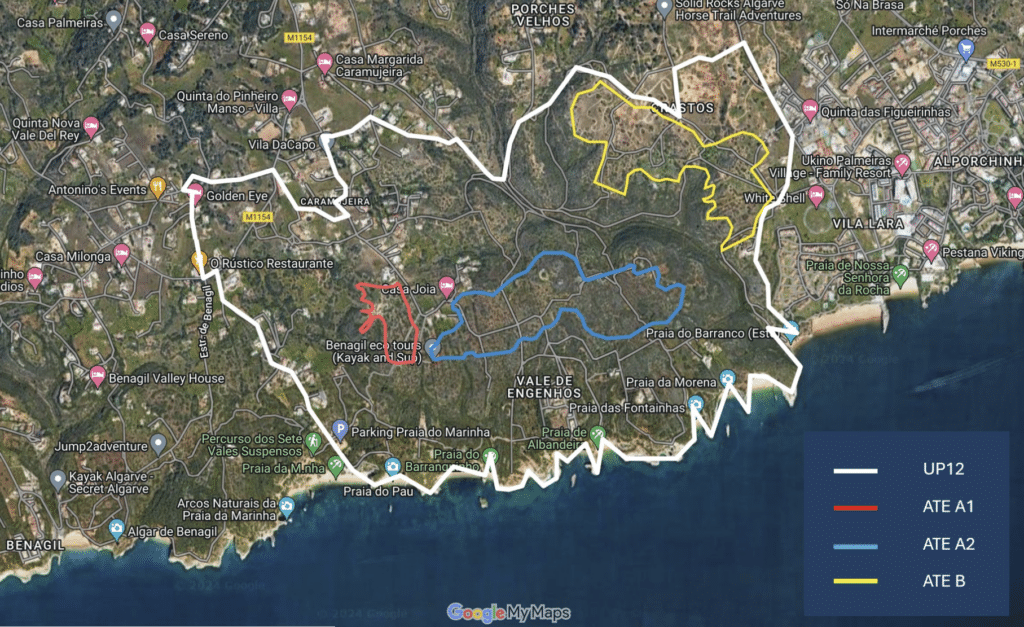
The consultation follows the rejection of the earlier plan by several authorities, including the Portuguese Environment Agency (APA), the Institute for Nature Conservation and Forests (ICNF), the Algarve Regional Coordination and Development Commission (CCDR-Algarve) and the Directorate-General for the Territory (DGT).
According to STOP UP12, these bodies identified structural shortcomings, including weaknesses in the Strategic Environmental Assessment, the absence of reasonable alternatives, the lack of cumulative impact assessment, unsustainable pressure on water resources and risks to protected habitats and species.
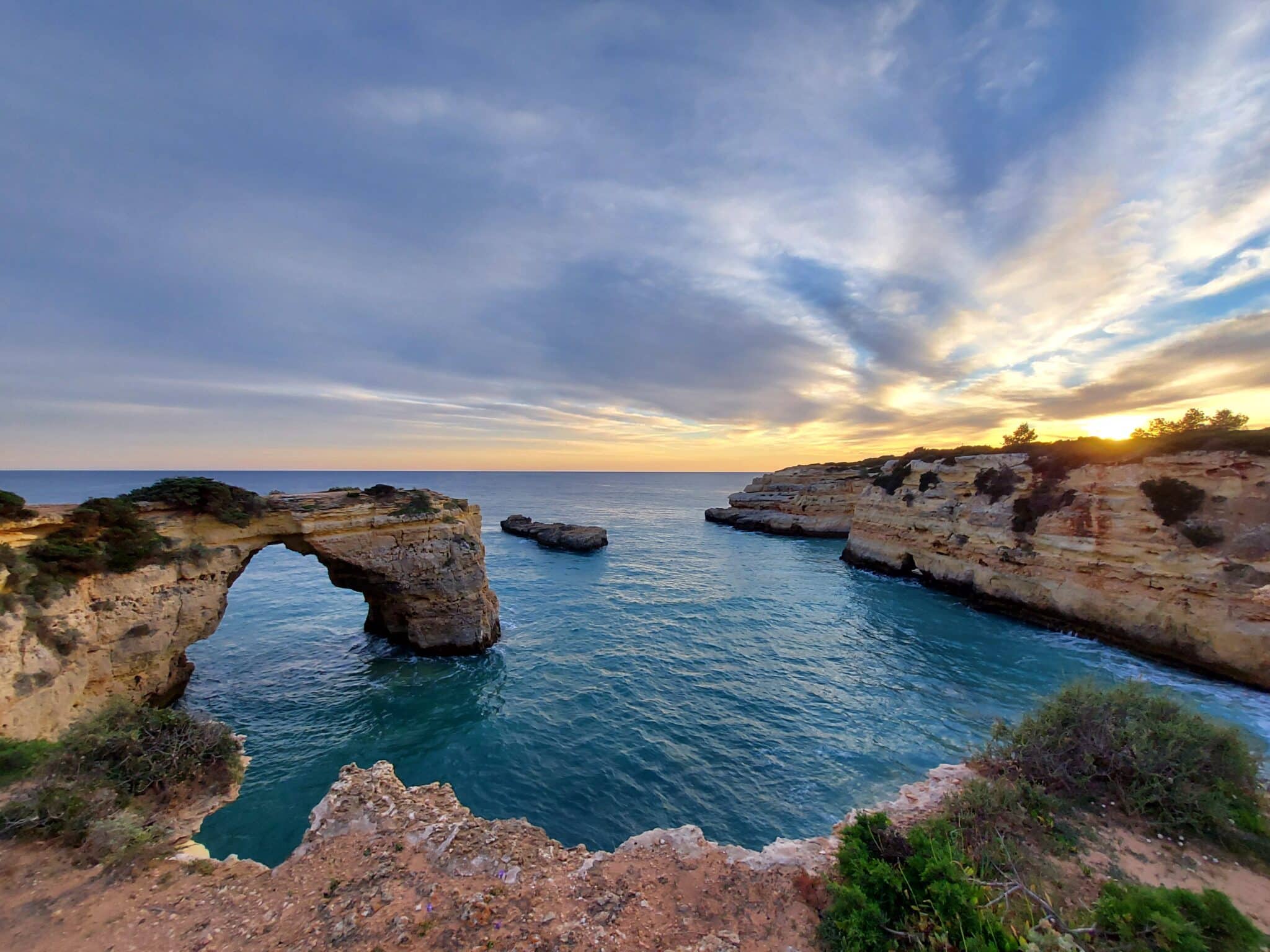
STOP UP12 said these entities concluded that the problems relate not only to the design of the plan but also to the location itself. The Albandeira area is described as a sensitive karst coastal zone with small and often overcrowded beaches, fragile cliffs with known geological risks, limited access and close proximity to the Pedra do Valado Marine Protected Area. Any increase in urban pressure is seen as a threat to terrestrial and marine ecosystems and to public safety.
The movement also highlighted the Algarve’s long-term shortage of water resources, worsened by climate change. It argued that “expanding urban and tourist capacity under these conditions threatens the future sustainability of the region, an issue already highlighted in the unfavourable opinions issued by the competent authorities”.
In this context, STOP UP12 questioned why Lagoa Municipality continues to invite developers to submit new plans. The movement argued that the most responsible option, and the one that best serves the public interest, is to abandon any urbanisation of the A1 ATE area.
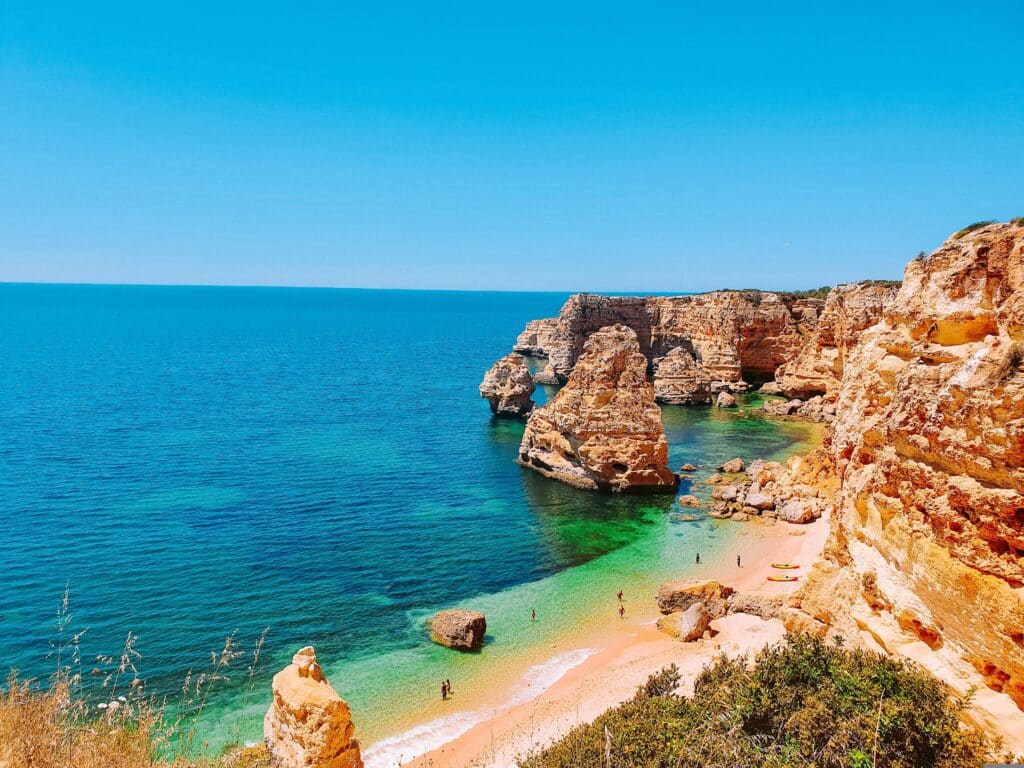
The group called for full preservation of the site and for alternative locations elsewhere in the municipality that are less environmentally sensitive. According to STOP UP12, this approach would protect one of the Algarve’s last relatively intact coastal stretches, reduce legal and environmental risks and avoid further planning processes that were not viable from the outset. The movement has published an online guide explaining how citizens and organisations can register and participate in the consultation.
Daniel Machado, spokesperson for STOP UP12, said: “It is time for citizens and civic movements to take part in this process and urge the active forces of the municipality and the region to express their opposition to this project.”
Cecília Abecassis Empis, also a member of the movement, said municipalities should not feel bound by projects approved in the past that no longer fit current realities. She warned against further development in an area already under pressure, citing the situation in nearby Benagil on land and at sea.
She added that, during election discussions, all candidates spoken to, including the current mayor, Luís Encarnação, acknowledged that urbanisation in Albandeira makes no sense, that approval in 2008 was a mistake and that it brings no clear benefit to the municipality. She said solutions must now protect the territory while safeguarding the future of the area and its residents.