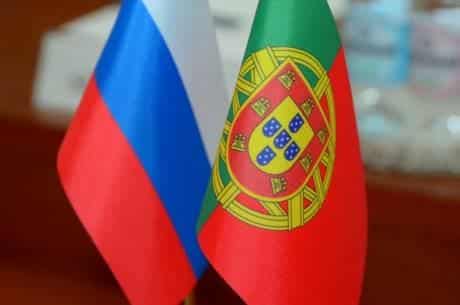
Russia is reported to “understand” Portugal’s reasons for holding back on the expulsion of diplomats following the poisoning of a former double agent in Salisbury, UK (click here).
Talking to Lusa, Portugal’s Russian ambassador Oleg Belous reiterated the reasons given last week by secretary of state for foreign affairs Ana Paula Zacarias: namely that Portugal felt it had still not been given full enough information, and if it went ahead and expelled Russian personnel from the embassy in Lisbon, it could lose any chance of dialogue ‘so badly needed at this point’.
Belous stressed that he was aware Portugal’s position could change – and he refuted entirely that his country had any kind of private relationship with this country.
“I would not say that we have a privileged relationship with any EU country”, he told Lusa, against the backdrop in which around 300 Russian diplomats have been expelled from 26 countries, as well as NATO.
As Lusa explained, the UK announced the expulsion of 23 diplomats on March 14 as a result of the poisoning of former double agent Sergei Skripal and his daughter Yulia 10 days previously.
Yet four weeks on “London has not furnished any facts on the alleged Russian involvement”.
Meantime, Belous says his embassy “has accompanied and analysed all communications and declarations made by the Portuguese Ministry of Foreign Affairs, the minister of foreign affairs and the President of the Republic”.
If Portugal was to decide to expel its Russian diplomats, it would suffer the same ‘tit-for-tat’ response from Moscow, he added, reiterating the Russian position that it had nothing to do with the Salisbury poisoning using the weapons grade nerve agent known as Novichok.
Defining the poisoning row as “lamentable” Belous, who has held his post in Lisbon since 2013, “insists”, says Lusa, that there is no alternative to cooperation in all areas between Russia and the European Union.
“All our partners in Brussels and other capitals know this”, concluded the 66-year-old diplomat who has worked previously in the embassies of France and Belgium as well as representing his country in the OSCE (Organisation for Security and Cooperation in Europe).
natasha.donn@algarveresident.com