The Algarve may be best known for its thriving tourism sector and beaches, but agriculture remain a “fundamental pillar” of its regional economy.
This was the key finding highlighted during an agriculture-focused conference held on Thursday, August 28, at the São José convent in Lagoa, which saw the regional development commission (CCDR Algarve) unveil the study ‘O Valor Económico da Agricultura no Algarve’ (The Economic Value of Agriculture in the Algarve), carried out by Ernst & Young (EY).
Presented during the conference ‘Agricultura – Um Ativo Estratégico para o Algarve’ (Agriculture – A Strategic Asset for the Algarve) – part of FATACIL 2025 and hosted by the municipal council of Lagoa – the event drew around 80 participants, including institutional representatives, academics, farmers and business leaders.
The study confirms that agriculture accounts for 4% of the Algarve’s gross value added (GVA), “well above the national average,” says CCDR Algarve, making it the region’s second main industry after tourism. In fact, agriculture played a key role during the Covid-19 pandemic when the tourism sector was brought to a standstill, helping soften the blow of the tourism downturn.
In 2023 alone, despite the region’s ongoing water shortages, agriculture in the Algarve generated €811 million in GVA and created 30,936 jobs. The sector also contributed €445 million in household income nationwide and added €389 million to tax revenues, according to the study. Beyond numbers, the sector was highlighted as a true ‘engine’ of wealth distribution, sustaining families and communities across the region.
Citrus still king, avocado on the rise
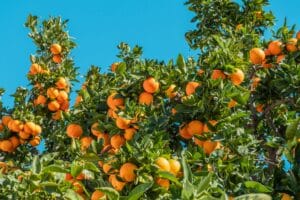
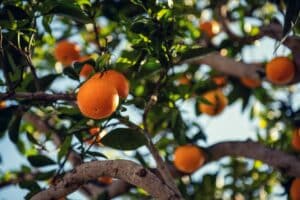
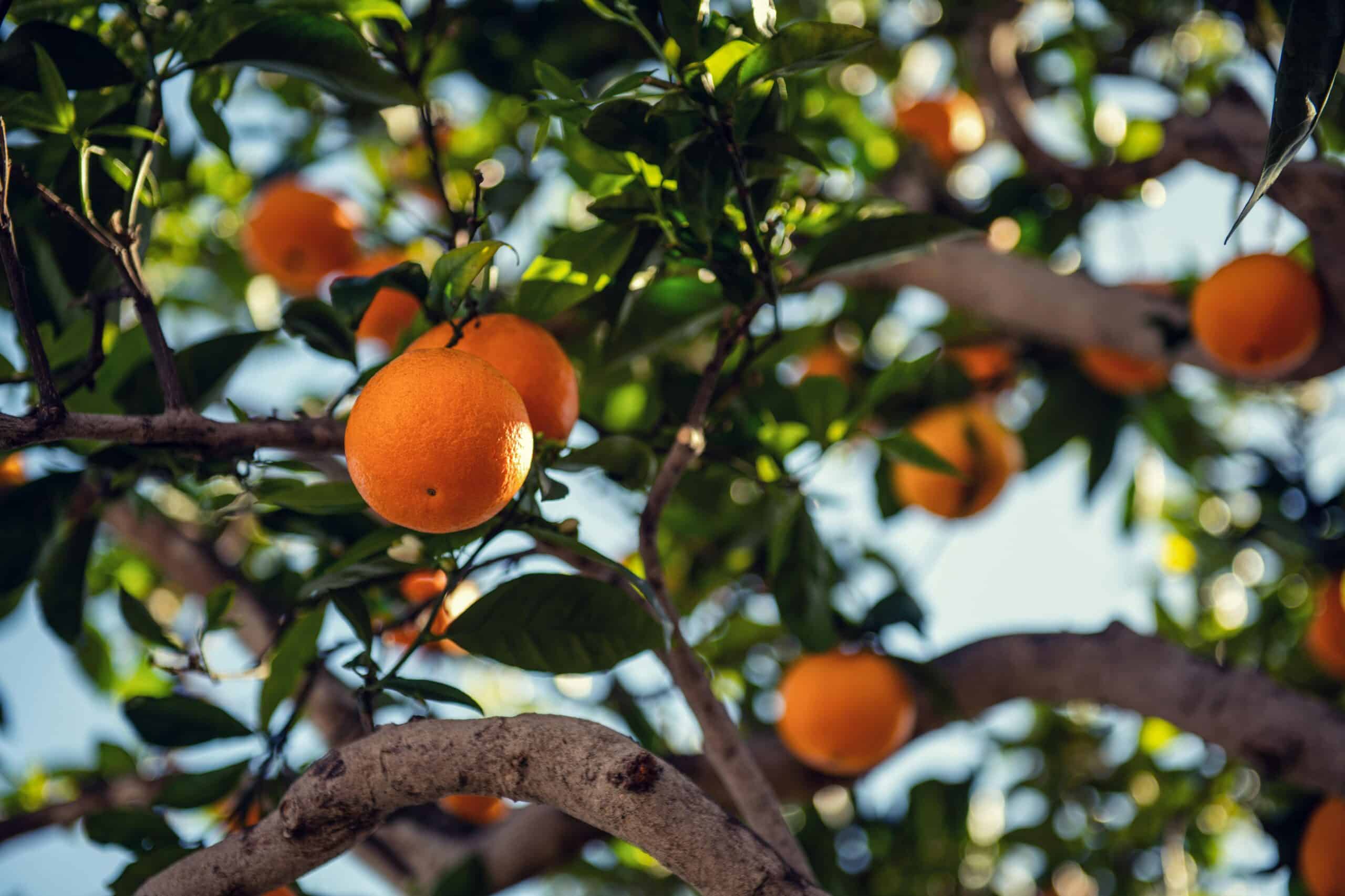
Citrus remains the Algarve’s crown jewel: it dominates 38% of farmland, makes up 76% of Portugal’s total citrus production, and drives exports. Between 2017 and 2023, citrus exports nearly doubled in value, accounting for 70–80% of all agri-food exports from the Algarve.
But there’s a new star too: the controversial avocado, maligned by some for requiring more water than the region can afford. Avocado production has soared by over 96% between 2013 and 2023, thanks to their exceptional profitability per hectare, the study points out, also flagging the untapped potential of food industries using local resources, which could push the region further up the value chain.
Desalination too costly, local solutions preferred
The event also saw guest speaker, professor Carlos Marques present “Agriculture in the Algarve and the Importance of Water”, a presentation on the need for research, innovation and smarter use of resources — from irrigation to mechanisation and marketing. On the critical issue of water, he warned that tariffs are likely to rise to reflect real costs, making efficiency essential for survival. Expensive fixes like desalination, he argued, are not viable for the sector, pointing instead to local solutions like water capture and reuse.
Looking ahead, he noted that the end of historic rights under the Common Agricultural Policy (CAP) and the shift to an annual eligible surface scheme opens opportunities to better support farmers. Still, uncertainty remains as EU budget negotiations may shrink available funds, he said.
Agriculture “strategic” for Algarve
Speaking after the event, CCDR Algarve boss José Apolinário highlighted the strategic importance of agriculture for the Algarve.
“The agricultural sector is strategic for the region, demonstrating resilience, modernization, innovation and a strong capacity to distribute wealth through jobs and wages,” said José Apolinário, President of CCDR Algarve.
By commissioning this study, CCDR Algarve said it has reinforced its role as a key partner in shaping a sustainable, competitive and innovative agricultural future for the region.
The full study is available online.