Agriculture in the Algarve generated €811 million in economic value in 2023 – but almost half of that money did not stay in the region, according to a new study.
The report, promoted by the Algarve Regional Development Commission (CCDR Algarve) and Algarve Agriculture Federation (Fedagri), found that only €423 million of the total remained within the Algarve economy.
The study, which examines the socio-economic impact of the region’s primary sector, was presented this week in São Bartolomeu de Messines, in the municipality of Silves.
Researchers say the “loss of value” is largely due to the sector’s dependence on external services, logistics and distribution networks outside the region.
Despite the outflow of value, the report confirms agriculture remains one of the Algarve’s key economic pillars.
“This study shows that agricultural activity generated a total impact of €811 million in national gross value added, representing 30,936 jobs,” said José Apolinário, president of CCDR Algarve.
According to Apolinário, of the total value generated in 2023, only €423 million remained in the Algarve, producing an average annual tax impact including €367 million in social security contributions (TSU), €68 million in personal income tax (IRS) and €57 million in corporate tax (IRC).
He said the report is intended to become a reference point so that “the agricultural sector can recognise itself in it and better highlight the economic and social importance of farming in the region”.
Citrus, avocados and berries lead exports
According to the study, the Algarve remains one of Portugal’s key agricultural exporting regions, with production focused on citrus fruits – particularly oranges, lemons and avocados – as well as berries and nuts.
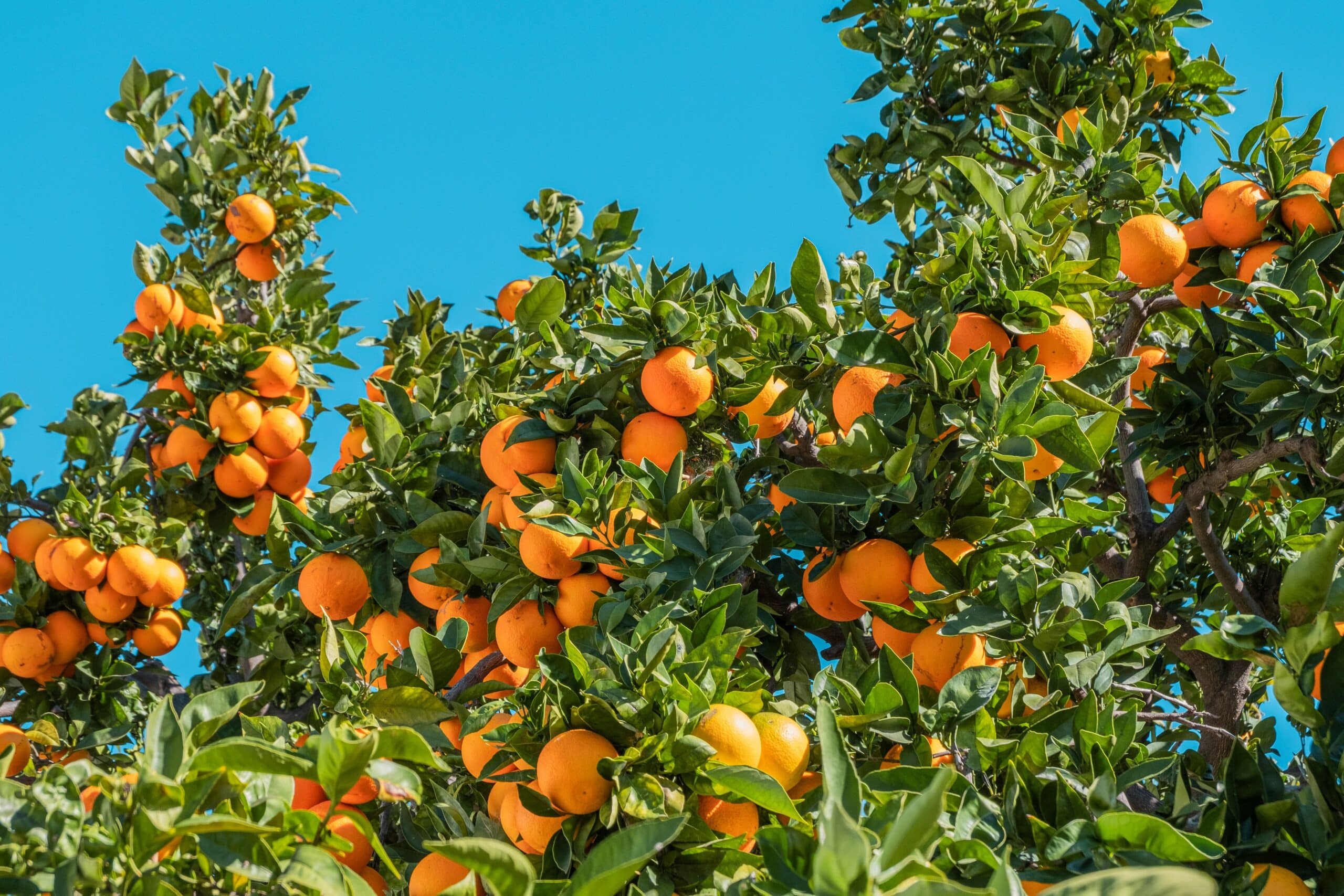
Oranges remain the region’s dominant crop, covering 16,284 hectares – 47.3% of the Algarve’s agricultural land.
It is followed by nut crops with 5,071 hectares (14.6%), dried fruit with 2,992 hectares (8.6%) and subtropical fruit such as avocados, which account for 7.2% of cultivated land.
Trade deal raises concerns
The report, produced by consultancy EY Parthenon, also warns of potential challenges for the sector in the coming years.
One concern is the new trade agreement between the European Union and the Mercosur bloc – made up of Brazil, Argentina, Paraguay and Uruguay – which could increase competition for Portuguese producers.
Lower tariffs and fewer trade barriers could bring large volumes of agricultural products into the European market, the study says, potentially pushing down prices for farmers in the short term.
Sensitive sectors in Portugal, including citrus and avocados – both key crops for the Algarve – are considered particularly exposed because they are “highly dependent on price,” the study points out.
Water investment seen as key
The report also highlights the importance of future water infrastructure projects in the region, particularly those linked to the national “Água que Une” strategy.
If those investments go ahead, researchers estimate agricultural production in the Algarve could grow significantly by 2040, including a 25% increase in tropical fruits and an 86% rise in berry production.
In that scenario, agricultural gross value added in the region could reach €992 million – a 22% increase compared with 2023 – while generating €286 million in tax revenue.
Afonso Nascimento, president of Fedagri, said the study should help farmers press the government for better conditions.
“We don’t want easy money just to survive. What we want is for the authorities to give us the conditions to invest,” he said.
Source: LUSA