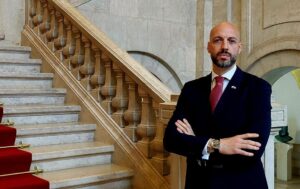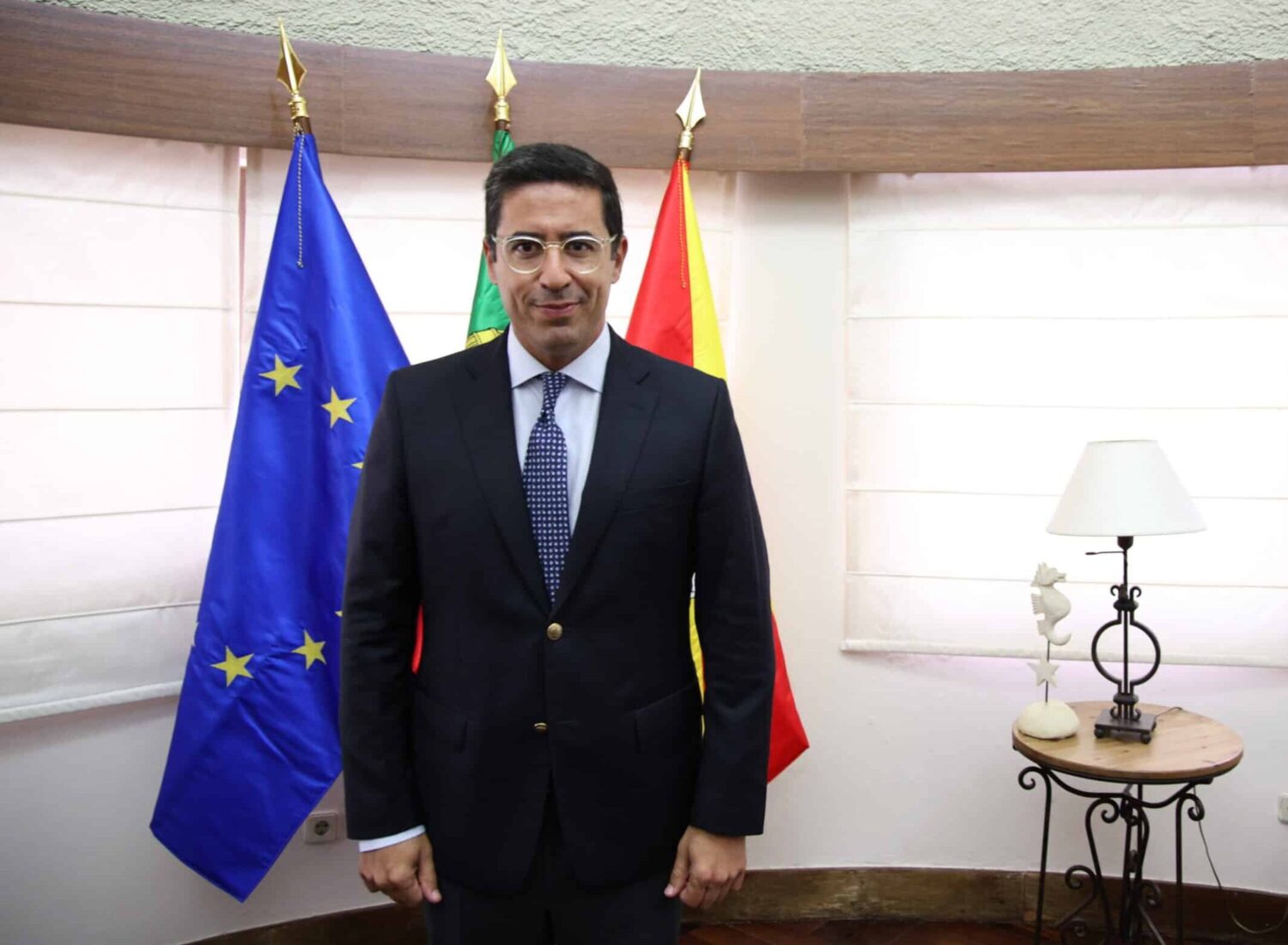
Rui Cristina, the new Chega (far-right) mayor elected in the October 12 local elections, wants to start his term with a “financial and procedural audit of Albufeira City Council’s accounts”.
Speaking to members of the press last Tuesday after taking office on Monday, the new mayor of Albufeira said he would conduct a “thorough review” of the municipality before moving forward with “priority measures”, such as affordable housing, health, and strengthening security and urban cleanliness.
Rui Cristina explained that his executive is now outlining its strategy: “Anyone who arrives in a municipality like this – with a budget of over €150 million, one of the most important and financially sound in the Algarve – has to know what state it is in. We know that there are several issues to address: we need to invest in housing, access to healthcare, mobility, and resolve some issues of insecurity. For that to happen, there must be financial resources available.
“I think that all mayors, when they are elected for the first time, should do this as a matter of transparency, to start from scratch and know what we can count on. And it’s a matter of literacy – understanding what we can do better.”
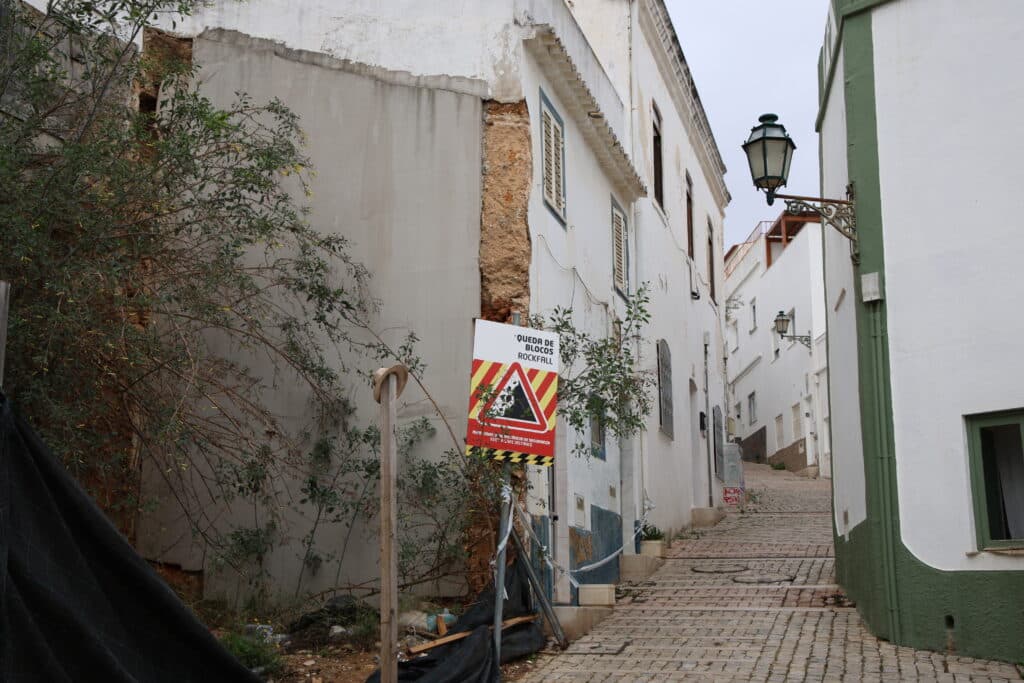
Rui Cristina says he wants to start by solving “one of the main problems in the municipality” – affordable housing.
“We want to build affordable housing. But to do that, we need land. We know that the Municipal Master Plan (PDM) is outdated and has been under review since 2016, and we need to speed up that process as soon as possible. We also know that this does not depend solely on the council — there are other entities involved — but former president José Carlos Rolo (PSD) said that there were several plots of land ready for construction. If they are indeed ready for this type of construction (affordable housing), we will move forward as soon as possible. But there needs to be money for it, which I believe there is. We will only know in the next few days,” he told journalists.
Rui Cristina clarified that a portion of this new construction would be housing for doctors, health professionals, teachers and GNR military personnel, “so vitally important in this municipality. It is up to us, as a municipality, to align internal strategies to attract these professionals”.
In addition, he also plans to stem the exodus of young people from the municipality.
In the health sector, where he acknowledges that the local authority does not have full powers, the mayor proposes a model in partnership with the “tertiary sector” (service sector) to respond to the “18,000 Albufeira residents without a family doctor”.
The mayor is also considering launching a ‘Bata Branca’ (White Coat) programme in the municipality, which would involve hiring doctors in partnership with a Private Social Solidarity Institution (IPSS), such as the Santa Casa da Misericórdia de Albufeira, following the example of other initiatives he learned about when he was coordinator of the Health Commission.
“We will move forward in this direction. We will need to talk to the Union of Misericórdias (charitable institutions) so that we can achieve our goal of providing more than 12,000 consultations in the first year to those who currently do not have a family doctor. We believe it is feasible,” he assured.
“Oura and Downtown Albufeira cannot continue as they are”
Strengthening public safety and urban cleaning are also part of the short-term measures. “For example, street furniture is in poor condition,” said the mayor who is keen to launch facelift projects in public spaces “immediately”.
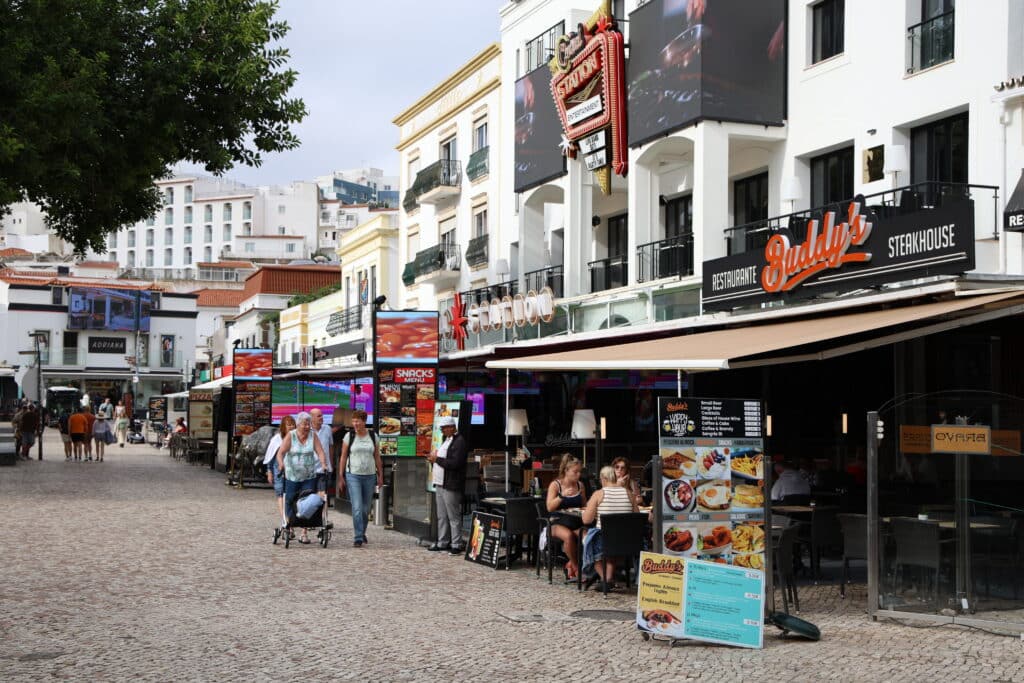
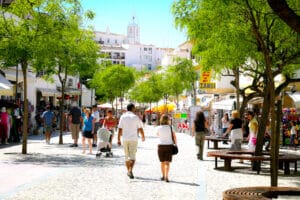
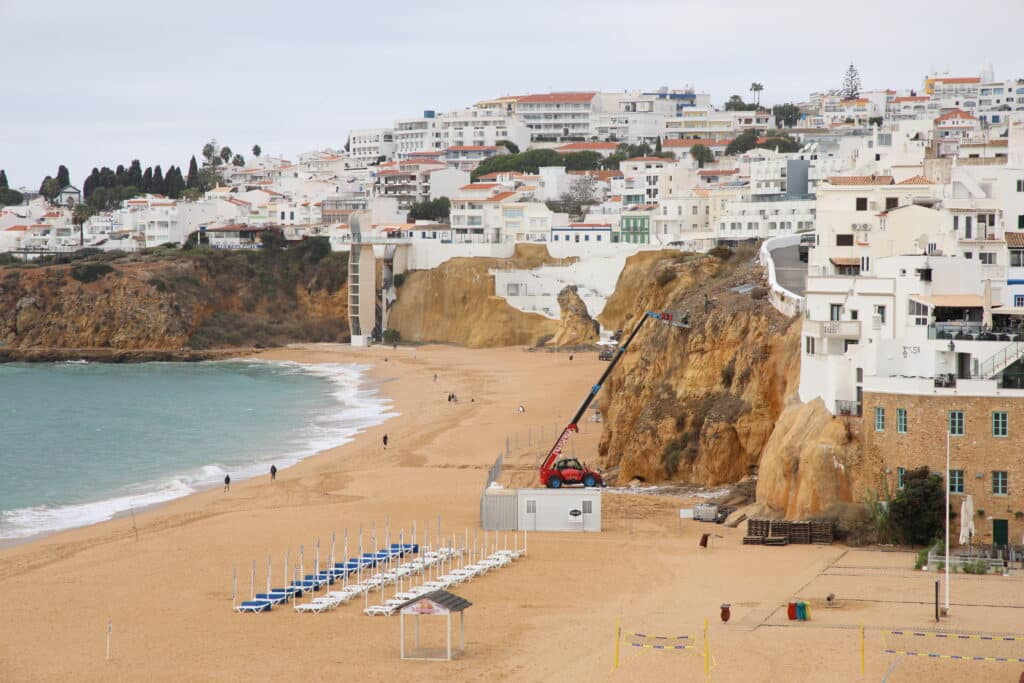
Asked what he intends to do to improve security, especially with regard to nightlife, the mayor is adamant: “Rua da Oura (Bar Strip) and Baixa (Downtown) cannot continue as they are. Urban regeneration is needed.”
However, he said: “If the municipality invests millions, business owners must also give something in return. We cannot harm the population because of a minority. There must be balance. I will meet with business owners and residents’ representatives to reach a consensus. We are the second most popular tourist destination in the country, and I want higher quality tourism, and fewer incidents of violence.”
“I would like to attract more family tourism again, making the (tourism) sector more diverse and beneficial for the local economy,” he added.
To this end, he plans to increase the number of municipal police officers and bolster the video surveillance network.
“It won’t be an easy job”
On the political front, the mayor acknowledges that “it won’t be an easy job. People have high expectations, and so do I. But I don’t have a magic wand. Problems cannot be solved overnight.”
The former MP describes himself as “from Loulé, with close ties to Albufeira”. “I live 15 minutes away, almost on the outskirts. I spent much of my youth here, where I have many acquaintances and friends. Albufeira is my second home, and now it is becoming my first.”
The new executive took office last Monday (November 3). Rui Cristina’s victory in Albufeira marks Chega’s entry into local government in the district of Faro. It is the only Chega municipality in the Algarve.
It received 40.51% of the votes – not enough for an absolute majority. Chega won three of the seven (councillor) seats, the same as the PSD/CDS-PP, which had run the municipality for several decades, while the PS-BE-PAN coalition ‘Albufeira é Tua’ came in third place.