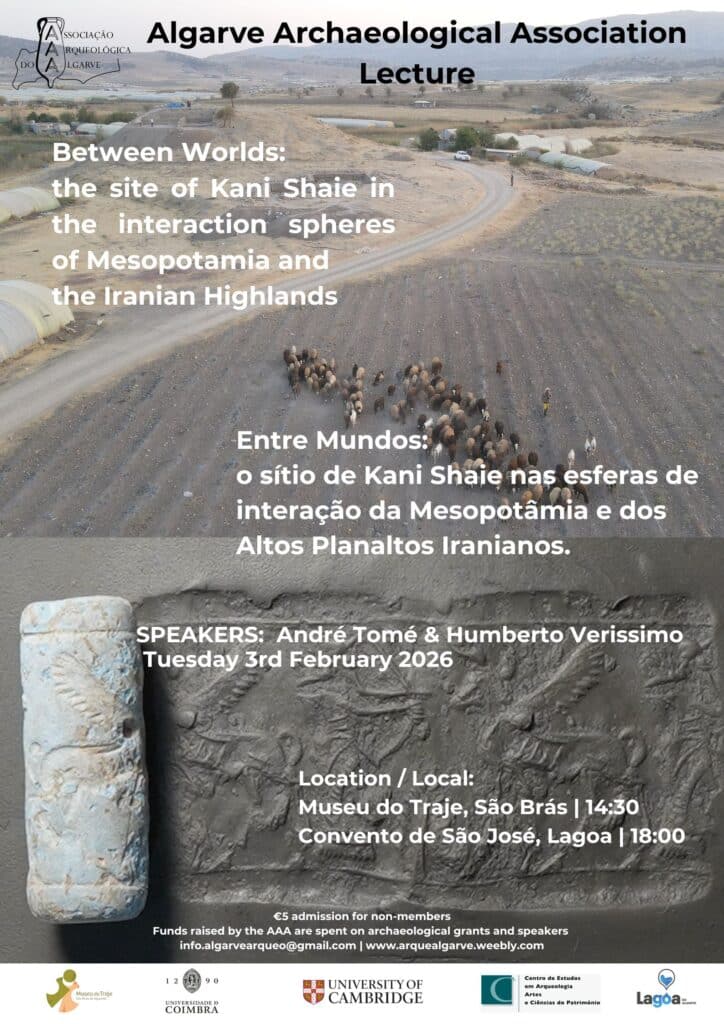
On Tuesday, February 3, the Algarve Archaeological Association (AAA) will be presenting two lectures, in English, by archaeologists André Tomé and Humberto Verissimo. The first lecture will be at 2.30pm at the Museu do Traje in São Brás de Alportel; the second lecture will be at 6pm at the Convento de São José in Lagoa.
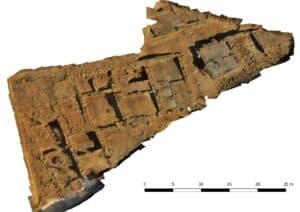
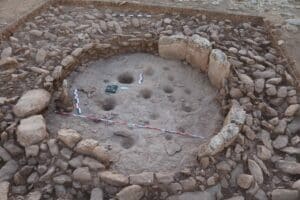
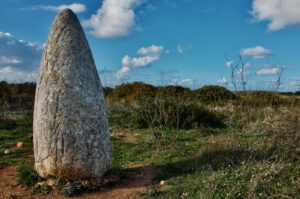
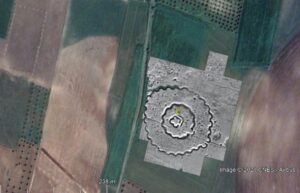
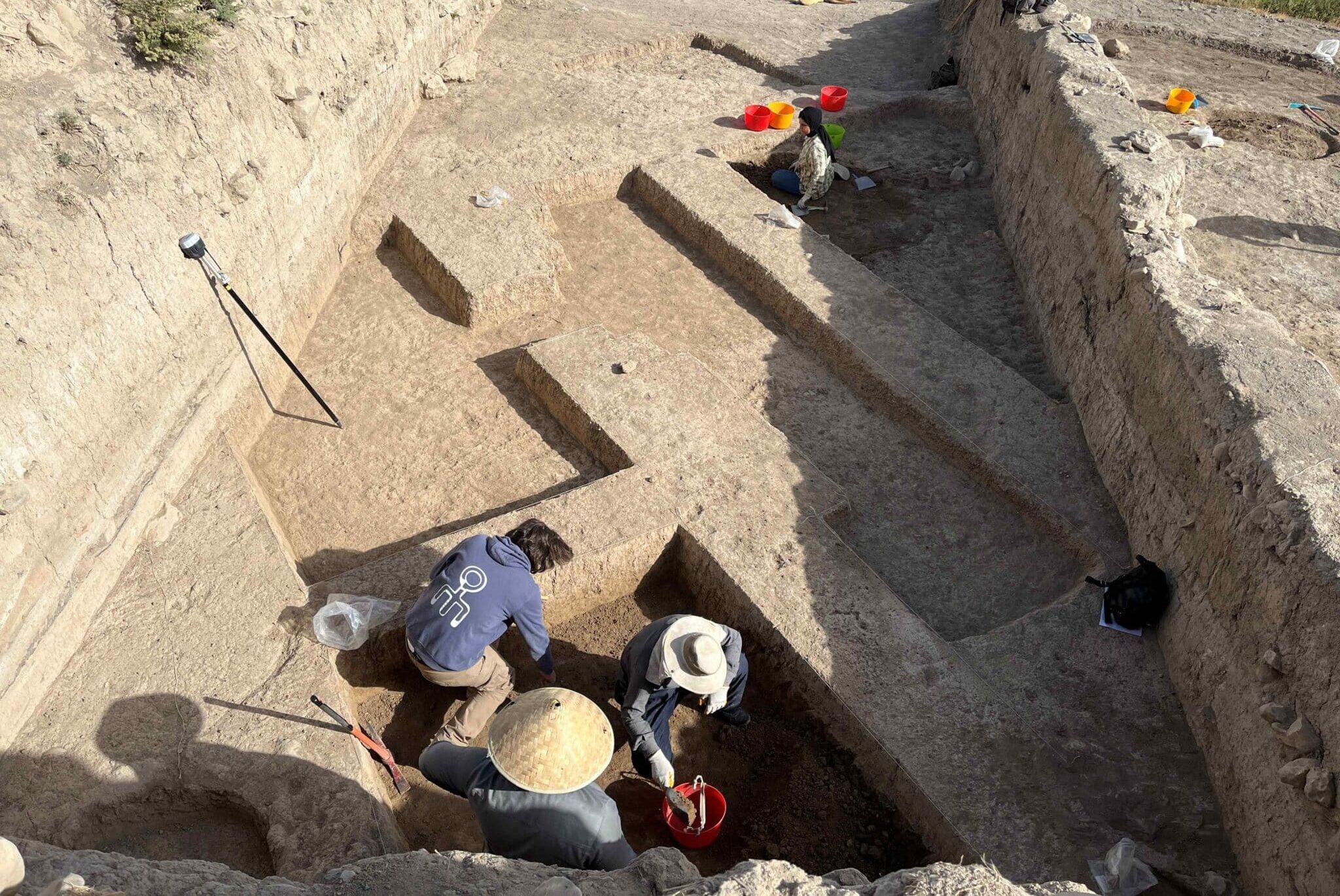
In this lecture, André Tomé and Humberto Verissimo will be talking about the Kani Shaie Archaeological Project. The site of Kani Shaie is in the Bazyan Valley (Sulaymaniyah Governorate, Iraqi Kurdistan) and has been excavated since 2013.
It is emerging as one of the most important stratified reference sites in the region for understanding long-term cultural change at the Mesopotamia-Zagros interface. The site preserves a rare, well-anchored sequence spanning the Neolithic, the Late Chalcolithic, Early Bronze Age (EBA) and later periods, allowing for a discussion of local developments alongside wider interaction patterns.
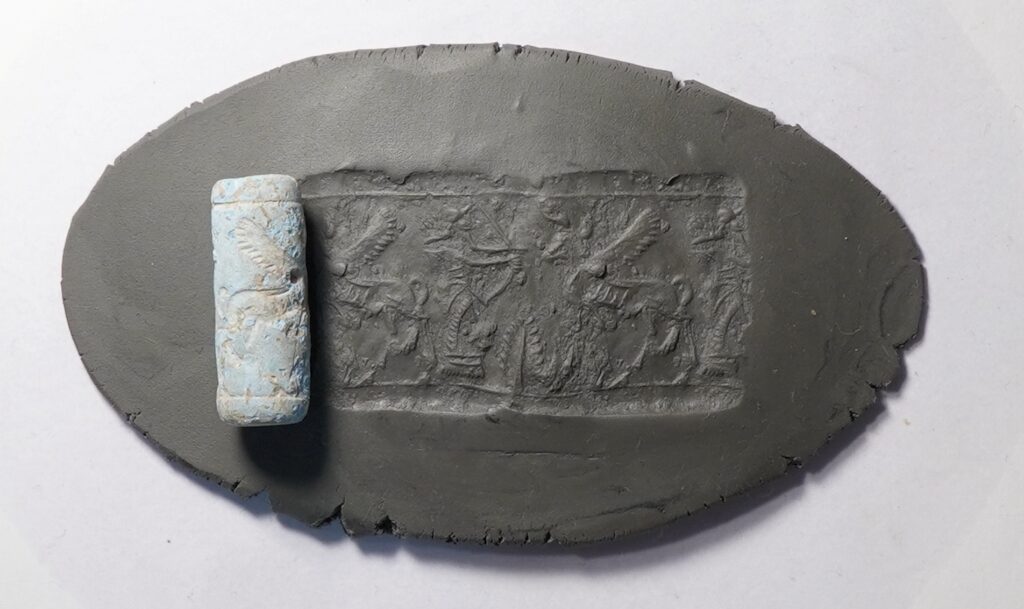
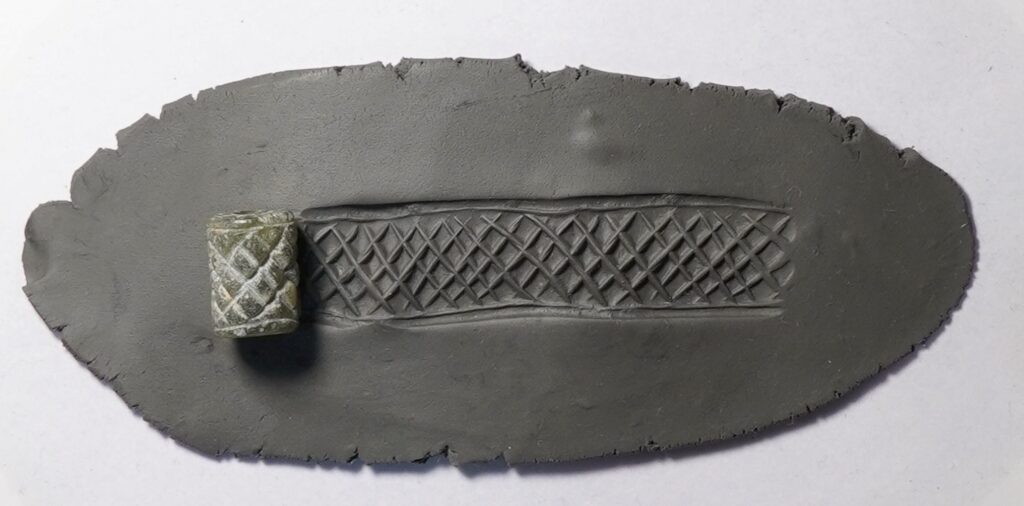
As such, a key focus of the lecture will be the Uruk period and the EBA as two moments when connectivity, institutional practices, and social organisation became particularly visible in the archaeological record. For both, special attention is given to evidence for administrative technologies, including an Uruk numerical clay tablet and a large number of seals, which provide a concrete case study for how accounting and control mechanisms operated beyond the major lowland urban centres.
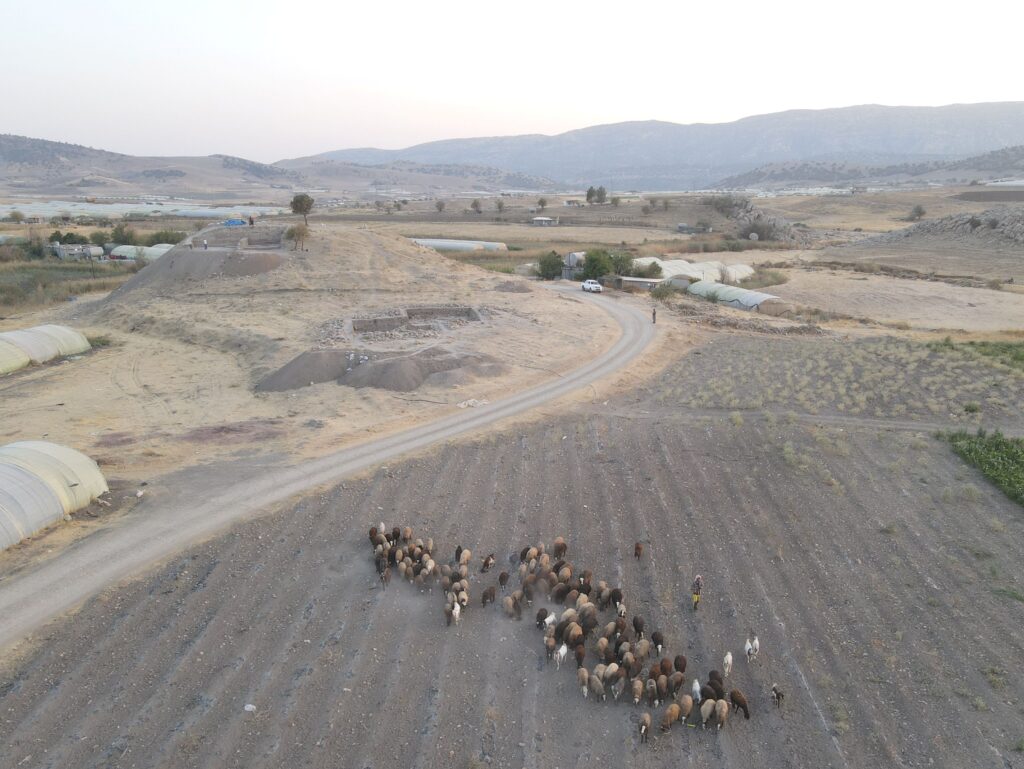
The project is a University of Coimbra and University of Cambridge joint initiative, co-directed by Steve Renette and André Tomé and has been contributing to current debates on exchange, interaction spheres and locally specific pathways to social complexity in the 4th-3rd millennia BCE.
André Tomé is an archaeologist and researcher at the University of Coimbra and the Centre for Studies in Archaeology, Arts and Heritage Services (CEAACP), Portugal. Together with Steve Renette and Michael Lewis, he is co-director of the Kani Shaie Archaeological Project in Iraqi Kurdistan, with excavations ongoing since 2013.
He is currently completing his PhD at the University of Coimbra, focusing on the Hellenistic-period occupation at Tell Beydar (Syria). He has extensive field experience in the Near East, including long-term involvement in archaeological work in Syria and Iraq and has taught archaeology at the University of Coimbra as a part-time lecturer.
In addition to his academic work, he remains active in heritage-related initiatives and public engagement in Beja (Alentejo) and works as an expert tour guide with Pinto Lopes Viagens Travel Agency.
Humberto Verissimo is an archaeologist and doctoral researcher at the University of the Algarve (UAlg), specialising in zooarchaeology and Iberian later prehistory. He holds a Master’s degree in Archaeology (2020) and a degree in Cultural Heritage and Archaeology (2016) from UAlg. Currently a PhD fellow at CEAACP, his work focuses on marine animal remains to understand past subsistence strategies, especially in Southern Portugal. Humberto has field and research experience in sites including Cerro do Castelo de Alferce, Monchique, where he integrates faunal studies with broader landscape and settlement dynamics.
He has also contributed to Mesolithic and Neolithic research in Portugal and co-edited scientific works on the transition from the Epipalaeolithic to the Chalcolithic in the Iberian Peninsula.
His academic activity includes conference presentations, teaching collaborations at UAlg, and public outreach in archaeology. Humberto joined the Kani Shaie excavations in the last three seasons as a trench co-supervisor.
Non-members are welcome to attend AAA lectures for a €5 admission fee, with all money raised by the AAA being used for archaeological grants and speakers.
For more information, contact info.algarvearqueo@gmail.com, visit arquealgarve.weebly.com or Facebook ‘Algarve Archaeological Association’. Please check the website or Facebook page for any last-minute changes.