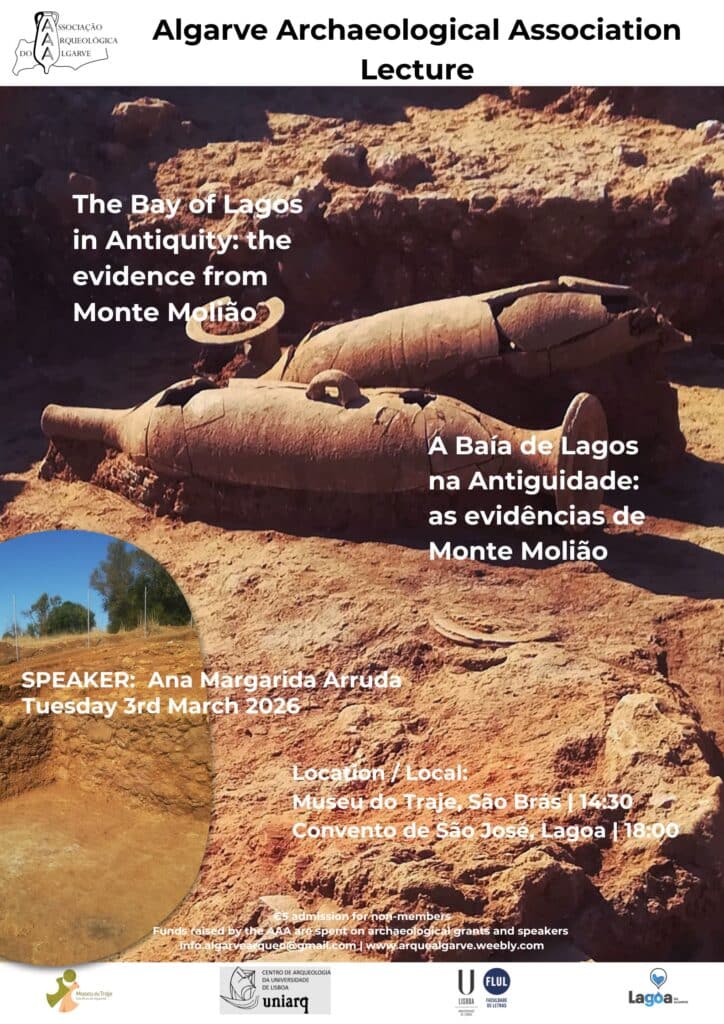
On Tuesday, March 3, the Algarve Archaeological Association (AAA) will be presenting two lectures, in English, by Ana Margarida Arruda. The first lecture will be at 2.30pm at the Museu do Traje in São Bras de Alportel; the second lecture at 6pm at the Convento de São José in Lagoa.
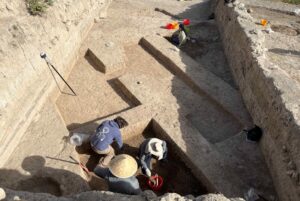
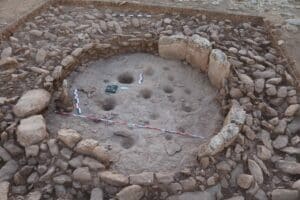
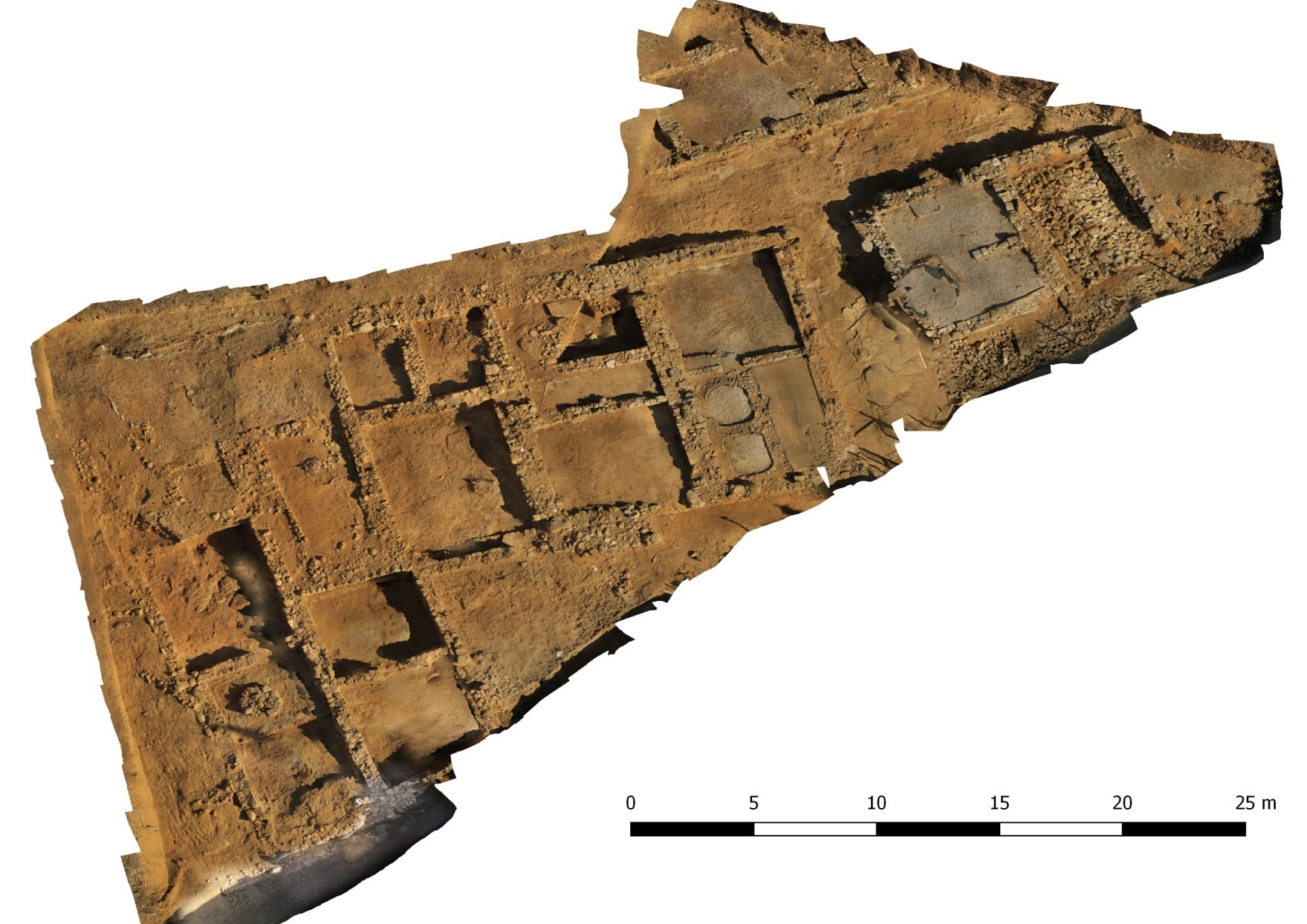
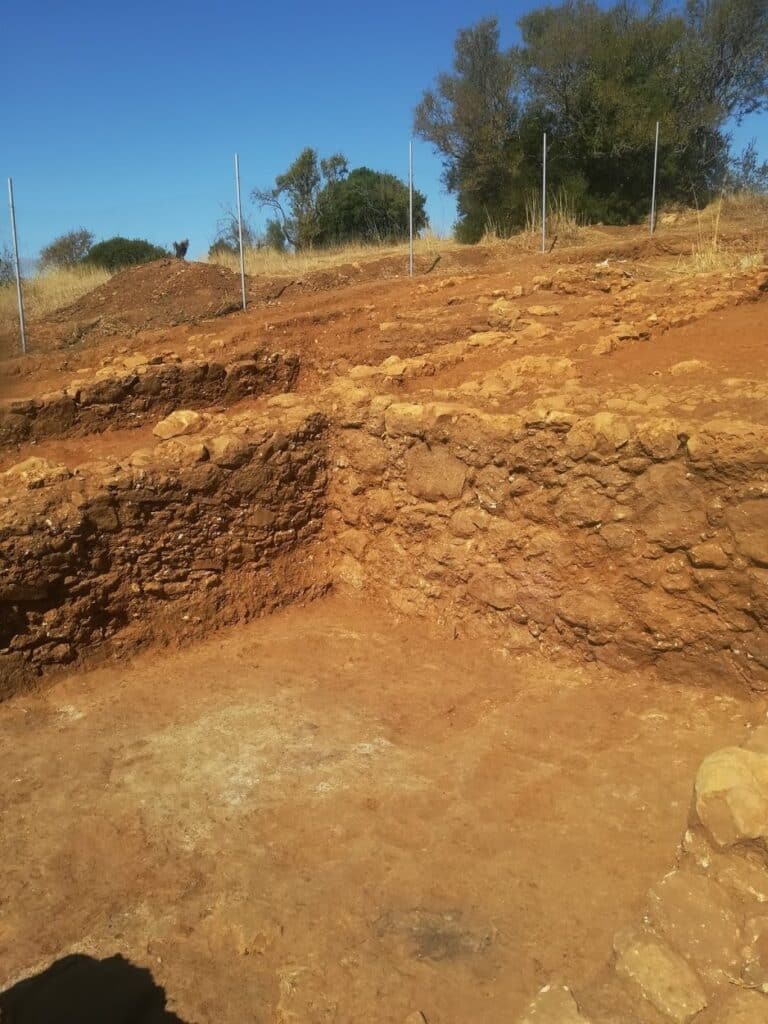
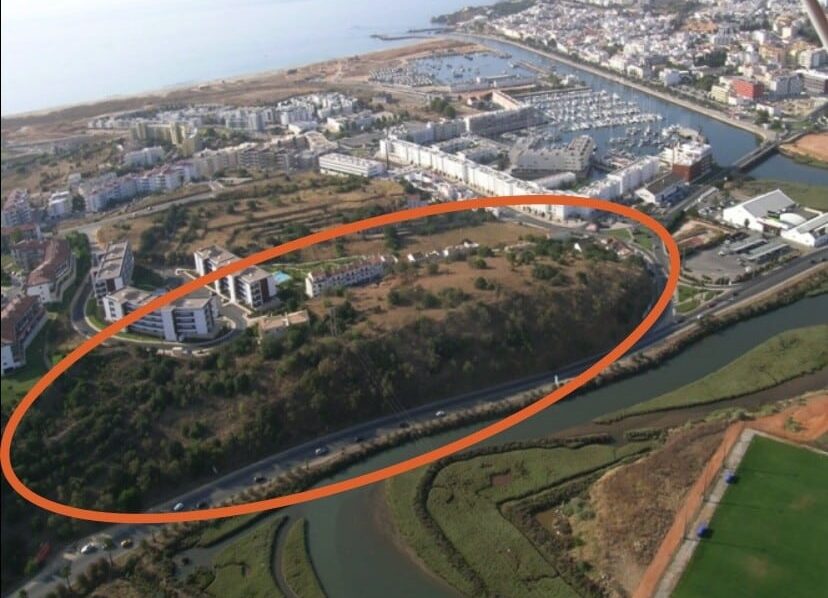
In this lecture, Ana Margarida Arruda will be talking about the “Bay of Lagos in Antiquity” focusing on the site of Monte Molião in Lagos. The archaeological excavations carried out at Monte Molião revealed a dense occupation of the site beginning in the 4th century BCE and continuing until the end of the 2nd/early 3rd century CE.
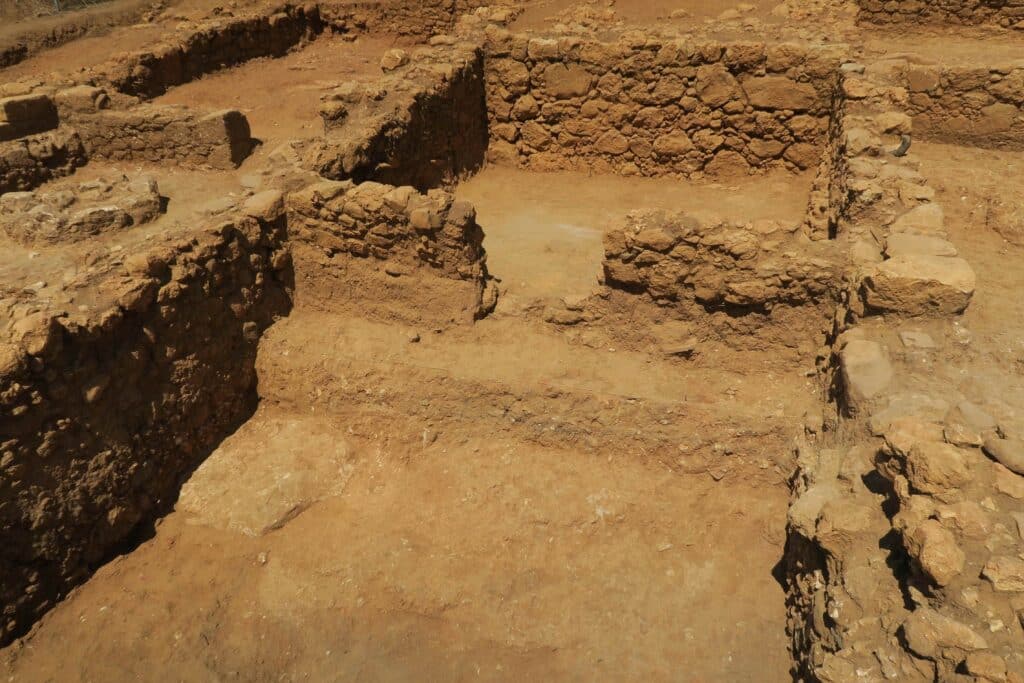
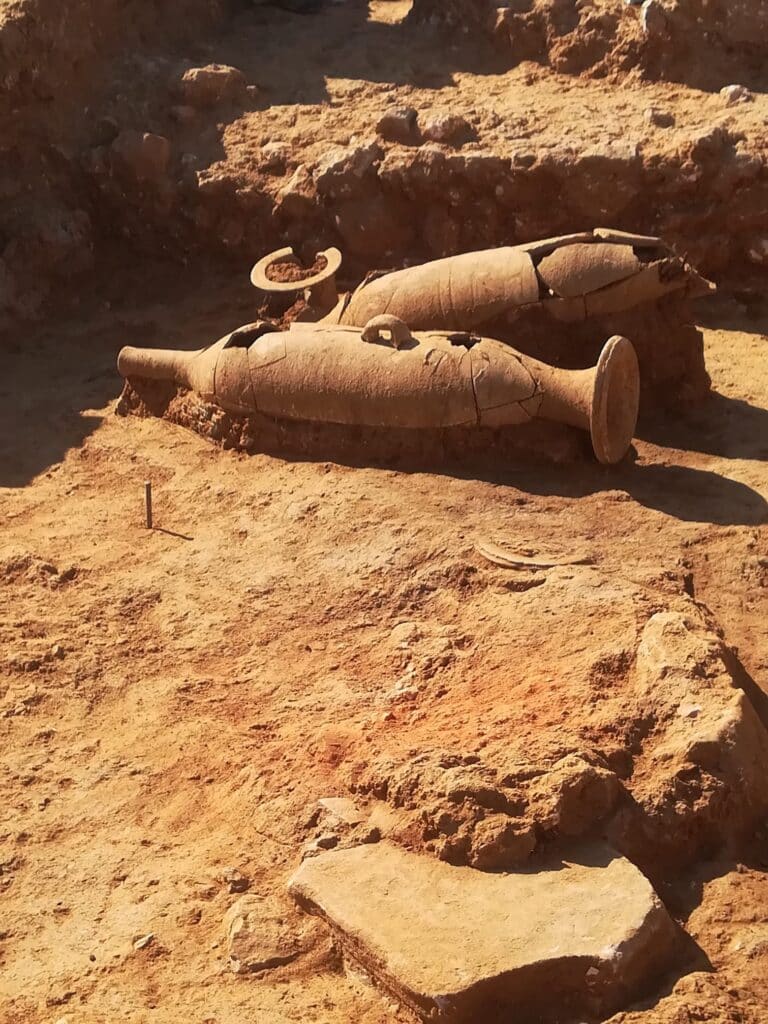
The domestic and artisanal structures are well preserved, and an abundance of various artefacts have been recovered, including ceramics, metals and glass. These indicate the existence of an urban centre that was of considerable importance during the Iron Age and the Roman period.
Both the structures and the materials make it possible to identify a dynamic relationship with the Mediterranean throughout the entire chronology. This can also be seen in a large collection of imported manufactured and food products from various origins including the Near East, Greece, the Italian Peninsula, North Africa, the territory of present-day France and the northeastern and southwestern Spain. This is relevant in its control of the surrounding territory.
The studies carried out are very complete, focusing not only on architecture and ceramic, metal, glass and bone materials, but also on fauna and metallurgical processes, with laboratory analyses providing important data on metal alloys.
The abandonment of the site and the transfer of its population to the right bank of the Bensafrim River, documented in the urban area of the present-day city of Lagos, may be explained by the progressive silting of the river and, consequently, by the difficulties in accessing the sea.
Ana Margarida Arruda is a Retired Senior Researcher at the Faculty of Arts of the University of Lisbon, where she also taught at undergraduate, master’s, and doctoral levels. She has also been actively involved in the master’s programs at the Universities of Évora and Seville, as well as in the doctoral program at the Complutense University of Madrid.
She is a researcher at the Archaeology Centre of the University of Lisbon, where she develops projects in the fields of Protohistory and Classical Antiquity. She has led, as principal investigator, two funded competitive projects, and is currently participating in three international projects, and serves as scientific consultant for three others.
She is a member of the editorial boards of two renowned international journals and serves on the scientific committees of 20 other national and international journals. She has more than 300 published works, including books, articles in national and international journals.
Ana has also delivered numerous lectures aimed at non-specialist audiences, ensuring the transmission of scientific knowledge to the wider public, and has organized open days to raise awareness of the importance of archaeological heritage. In this context, she has collaborated on several national exhibitions, contributing texts for panels and catalogues, and has served as scientific curator for exhibitions.
Non-members are welcome to attend AAA lectures for a €5 admission fee, with all money raised by the AAA being used for archaeological grants and speakers.
For more information, email info.algarvearqueo@gmail.com, visit arquealgarve.weebly.com or Facebook ‘Algarve Archaeological Association‘. Please check the website or Facebook page for any last-minute changes.