The announcement that the Algarve Central Hospital project is finally moving forward with the formal approval of its construction last week has been celebrated by several high-profile representatives across the region.
Speaking after the Council of Ministers’ decision, José Apolinário, president of the Algarve’s Regional Coordination and Development Commission (CCDR), described the move as “an act of justice for the Algarve and the Algarvians”, saying it reopened “a window of hope and confidence” in the future of hospital care provided by the National Health Service (SNS) in the region.
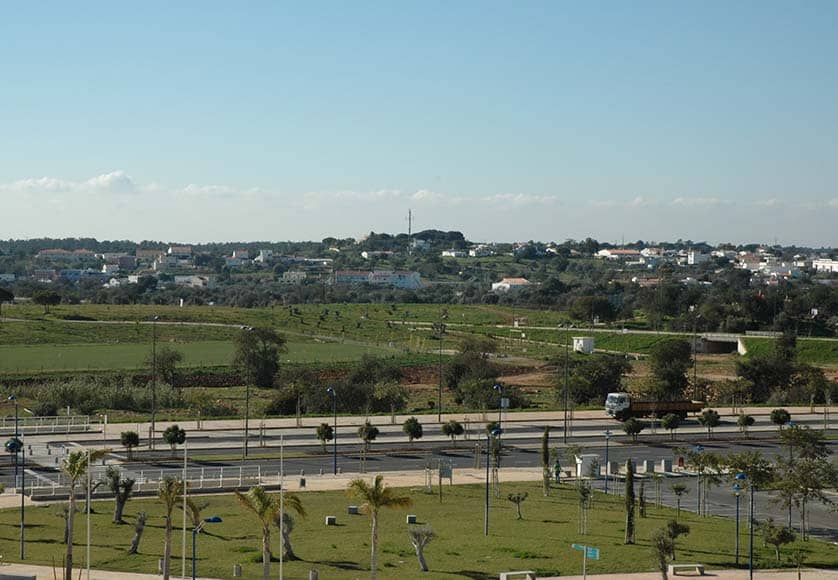
“This is an investment awaited for many years, foreseen in the Regional Land Planning Plan since 2007, with broad consensus in the region and essential to improving hospital care and correcting regional inequalities in access to health services,” Apolinário said. He also highlighted the technical work carried out by regional and environmental authorities, as well as the commitment of the municipalities of Faro and Loulé, which have made land available for the hospital – expected to be operational by 2031 – in the Parque das Cidades.
The region’s hoteliers have also welcomed the news. The Algarve Hotels and Tourism Association (AHETA) said the approval of the hospital is a “historic decision” and marks a decisive step for both public health and the region’s main economic engine: tourism. For AHETA, a modern, central hospital is vital to ensuring confidence among tourists, investors and workers in a region that hosts millions of visitors every year. The association called on the government to ensure the next stages move forward “swiftly and transparently”, so the project finally becomes reality.
While also enthusiastic about the government’s announcement, the Algarve Municipalities Association (AMAL) has recalled that the project is “long overdue” and should have been completed many years ago.
“We believe that this long-standing desire of the Algarvian people will happen, but too much time was wasted to get here,” Pina told Lusa news agency. According to the AMAL boss, “the time is now” to finally move forward with the plans.
Pina also used the moment to warn that a new hospital alone will not solve all of the Algarve’s health problems. He urged the government to address the growing strain on emergency medical services, particularly INEM, warning that the system is already under severe pressure — even in winter. “There are already deaths due to lack of assistance,” he said, cautioning that the situation could worsen dramatically in summer, when the region’s population doubles and emergency services are stretched further by wildfire season.
Still, across the Algarve, the dominant mood is one of cautious optimism. After nearly two decades on the drawing board, the Algarve Central Hospital is closer than it has been in years to becoming a reality.