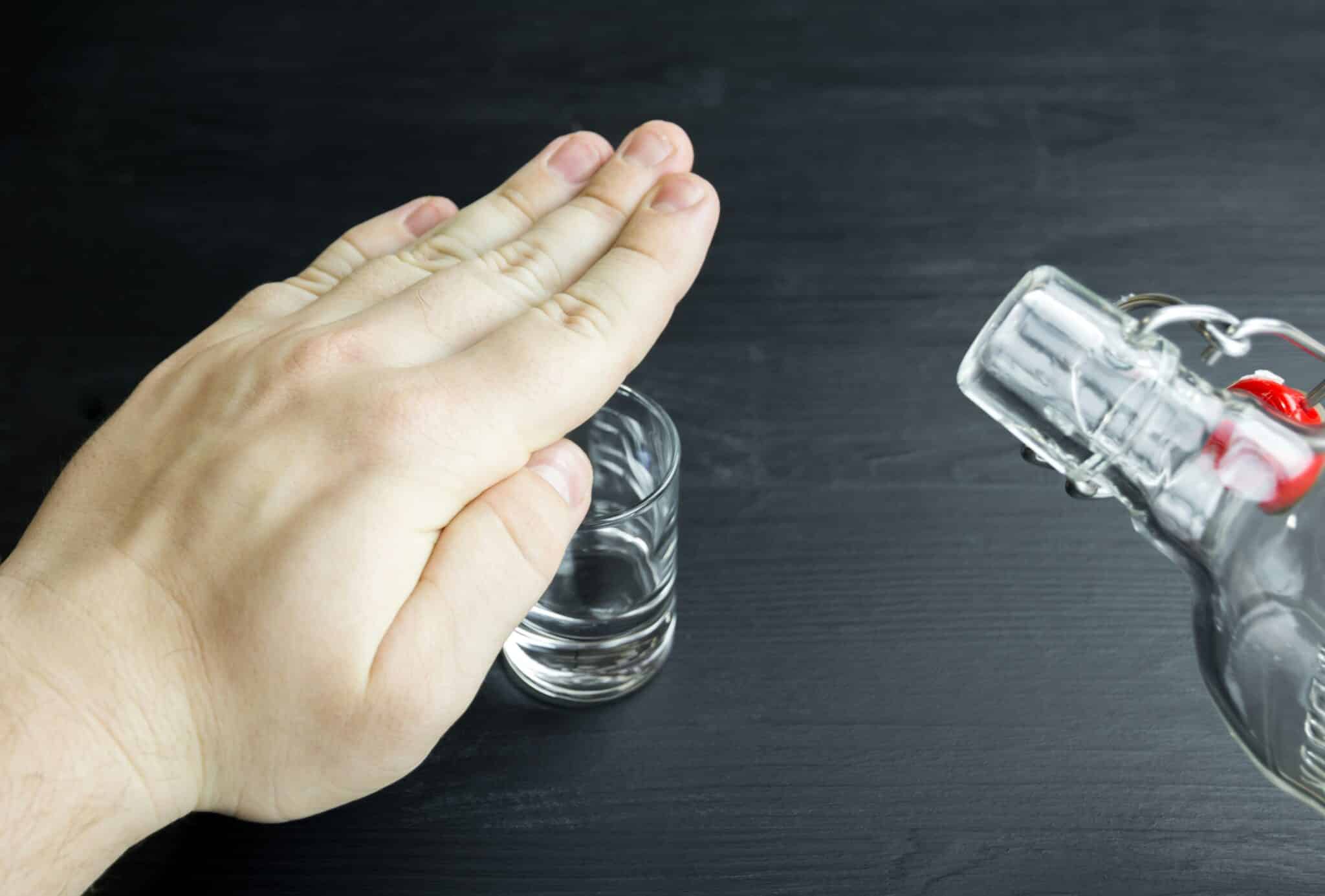
With 2026 just around the corner, one association is encouraging people to start the new year off by completely cutting alcohol consumption throughout January.
The Portuguese Association for the Study of the Liver is relaunching its “January without alcohol” campaign, created to raise awareness about excessive alcohol consumption and its impact on liver disease.
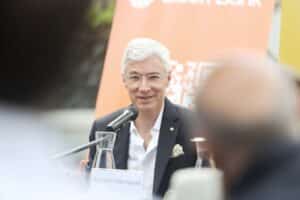
“We want to appeal to the entire population, but especially to young people, as this age group presents particularly worrying statistics,” said the association’s president Paula Peixe in a statement.
According to official data, seven to eight in every ten 18-year-olds drank alcohol in 2024, a level described by specialists as alarming.
Running throughout January under the slogan “In January, connect with life!”, the campaign will focus on raising awareness of alcohol-related liver disease, a condition strongly linked to high and frequent alcohol consumption.
“We know that the start of the New Year is a time for reflection and setting new goals. With this challenge, we want to motivate Portuguese young people and adults to include among these resolutions the adoption of a healthier lifestyle, in which reducing alcohol consumption is a priority,” warns Paula Peixe.
Health experts warn that excessive drinking can cause fatty liver disease, often with no early symptoms. If left unchecked, it can progress to inflammation, fibrosis, cirrhosis and even liver cancer, causing irreversible damage.
The association also points to data from the World Health Organization (WHO) showing that alcohol consumption in Portugal remains high, particularly among men, who consume an average of 16.9 litres of pure alcohol per year, compared to 4.8 litres for women.
“It is the responsibility of adults to reflect on their social behaviour and the impact it has on their health, as well as to warn young people about the dangers and problems associated with alcohol consumption,” said Paula Peixe.
The initiative has been running simultaneously in several countries since 2013. In Portugal, this is the fifth time the challenge has been promoted.
Source: LUSA