Portuguese consumers filed almost 239,000 complaints in 2025, the highest number ever recorded by Portal da Queixa, according to its Annual Consumer Barometer 2025.
The figure represents a 6.44% increase compared with 2024 and “highlights serious problems in logistics, telecommunications and the public sector” while also revealing a more “informed, demanding and vocal consumer,” the consumer complaints website reports.
Expanding further, Portal da Queixa says the rise reflects both persistent service failures, especially during peak demand periods, and greater consumer awareness, with people increasingly using digital platforms to defend their rights and pressure brands to respond.
The postal, transport and logistics sector was the most complained about in 2025, accounting for 13.6% of all cases. Failed deliveries, delays and lost parcels remained the main sources of frustration, particularly during e-commerce peaks.
December stood out as the most problematic month, concentrating 11.5% of all complaints. With Christmas straining services across the board, delivery breakdowns, strikes and operational overload put carriers such as CTT, CTT Expresso, GLS and Paack under heavy scrutiny, with Paack recording a notably high number of complaints linked to missed deliveries, Portal da Queixa reports.
Meanwhile, complaints in communications, TV and media jumped 34.3%, driven largely by the market entry of Digi Portugal. While demand was strong, consumers reported installation delays and early technical issues. MEO, NOS and Vodafone remained among the most complained-about brands, often due to contract lock-ins and price increases.
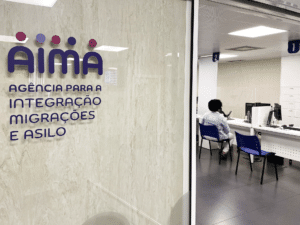
In the public sector, the IHRU (Institute for Housing and Urban Rehabilitation) became the fourth most complained-about entity in Portugal, reflecting delays in housing support. AIMA, Portugal’s overloaded migration agency, and IMT, the mobility and transport institute, also featured prominently, although IMT showed a significant improvement compared with 2024.
Poor or failed service tops the list of reasons why consumers complain (16.19%), followed by delivery failures (15.17%), fraud or attempted scams (8.04%), payment and transaction issues (7.05%), and incorrect charges (6.42%).
Together, service and delivery failures accounted for more than 31% of all complaints, confirming that the consumer’s “journey from purchase through to after-sales support” remains lacking.
Among the companies that generated the highest number of complaints on Portal da Queixa were Worten, CTT Expresso, MEO, NOS, Digi Portugal, CTT, IHRU, Vodafone and AIMA. Sectors such as beauty and aesthetics (+52.5%), furniture and décor (+51.9%) and pet services (+42.8%) also saw sharp increases, often linked to insolvencies, sudden closures, scams or refused refunds.
Another notable change in consumer complaint habits is that women accounted for the majority of complaints for the first time (50.1%), particularly in retail, health, fashion and wellbeing. The most active age groups were 25 to 44, reflecting a “digital and demanding consumer with low tolerance for poor service.”
“Complaining is no longer impulsive”
Pedro Lourenço, founder of Portal da Queixa, says the data shows a structural shift in consumer behaviour.
“The 2025 data show not only an increase in complaints, but a consumer who has started making decisions based on scrutiny, comparisons and perceived reputation. Complaining is no longer an impulsive act of dissatisfaction, but a conscious way of influencing the market,” he said, adding that brand reputation is now shaped less by marketing and more by public, shared experiences online.
“Platforms like Portal da Queixa have become primary sources of information that feed AI models, which are now accessible to any consumer,” Lourenço pointed out.