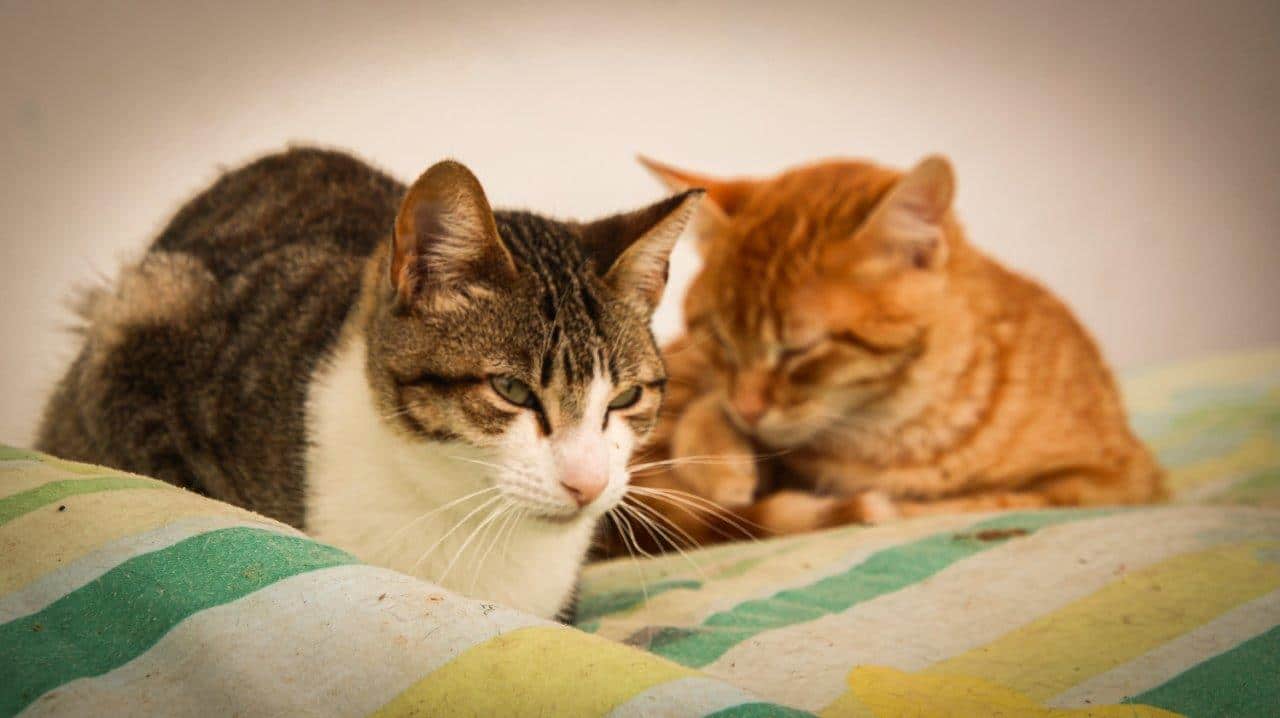
Animal welfare in the eastern Algarve is getting a hands-on overhaul as the councils of Vila Real de Santo António and Castro Marim take direct control of the Intermunicipal Animal Collection Centre (Centro de Recolha Oficial de Animais Intermunicipal, or CROA).
For several years, day-to-day operations were handled by the Guadi association, which carried out “highly relevant and commendable” work supporting sheltered animals, under a cooperation protocol funded by the Vila Real de Santo António council. That chapter has now closed, the two councils say, with management returning fully to municipal hands.
The move will allow for clearer accountability, quicker responses and a stronger, more coordinated approach to dealing with abandoned and stray animals, officials say.
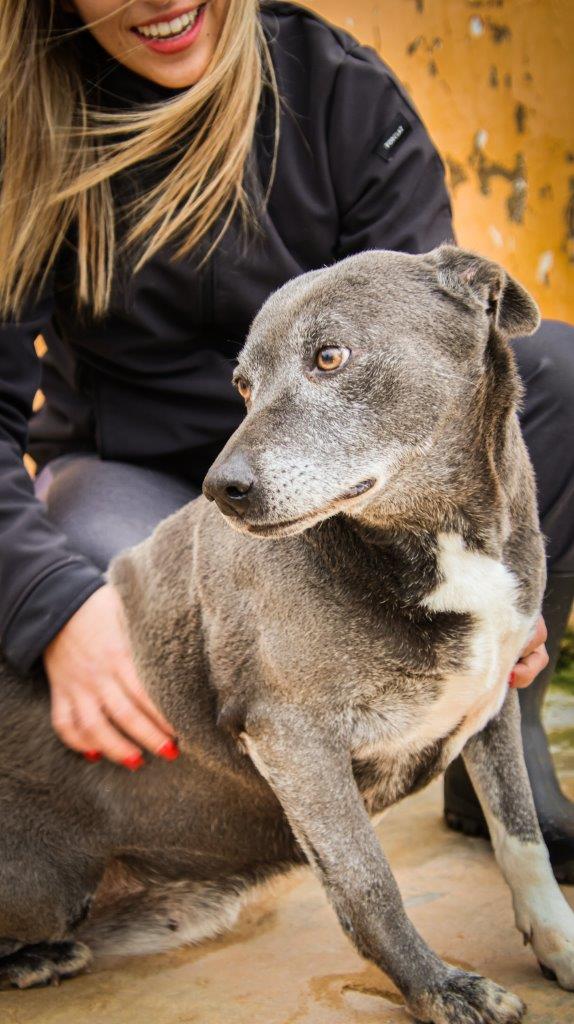
Based at Monte Matos, in the municipality of Castro Marim, the CROA plays a key role in safeguarding public health and animal welfare. The centre is responsible for collecting, temporarily housing and caring for stray or abandoned animals, operating strictly within Portuguese animal welfare legislation, the council says.
With a permanent municipal veterinary service on site, the shelter’s mission goes beyond basic care, promoting responsible pet ownership and protecting animal health.
As part of the shake-up, the municipalities have also launched a new official CROA website, jointly managed by both councils. The platform will centralise information on animals available for adoption, lost pets and public awareness campaigns. Officials say the move is key to improving adoption rates and ensuring full transparency about what goes on inside the Monte Matos facility.
Alongside the veterinary nurse from Castro Marim, the team now includes an additional nurse from VRSA, allowing for closer fieldwork and faster intervention in vulnerable situations, the local authorities say.
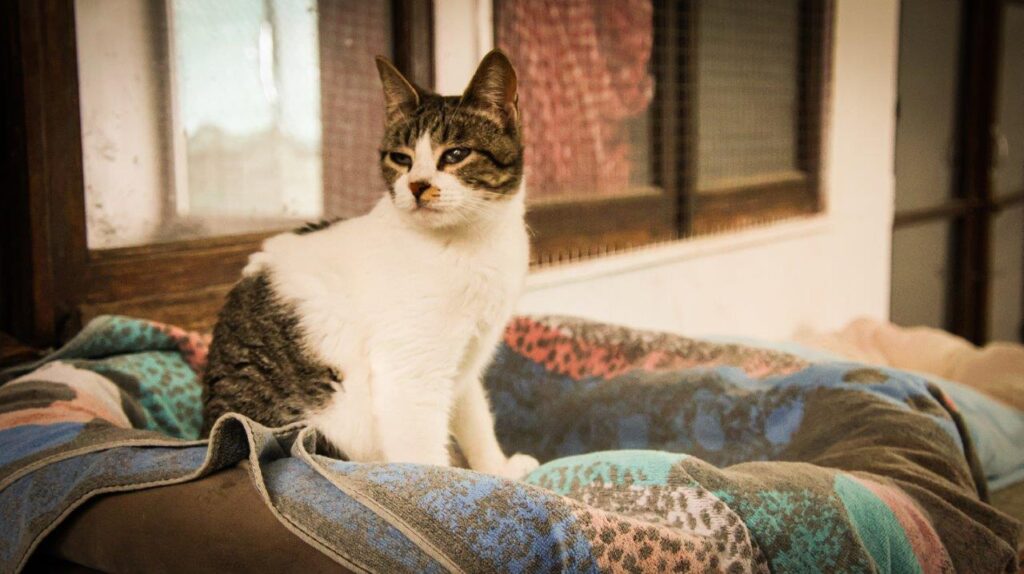
The council has also hired an extra veterinarian to tackle one of the area’s biggest challenges: sterilisation. The investment is designed to ensure every identified animal receives proper clinical follow-up and care.
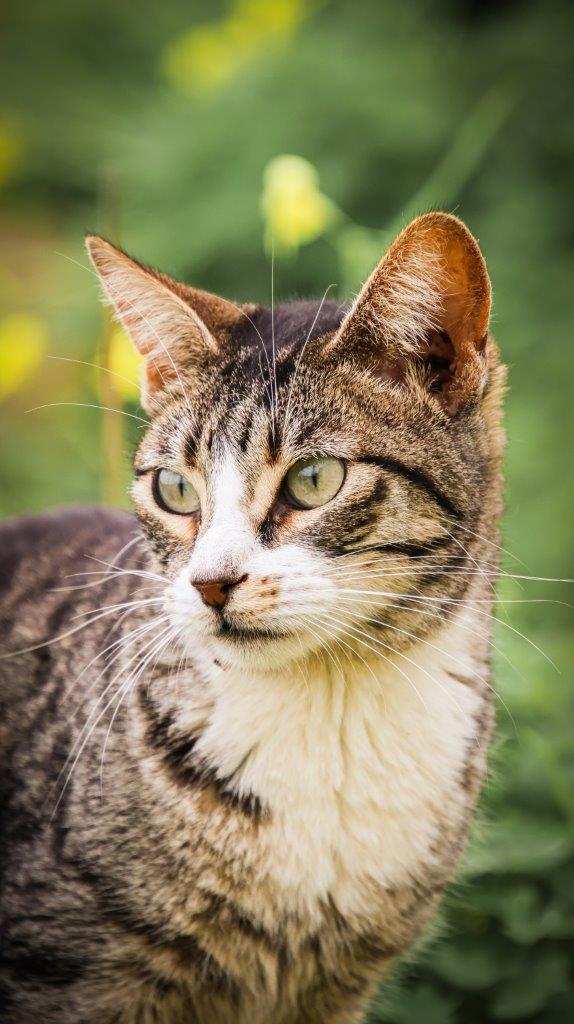
Alongside the shelter reforms, Vila Real de Santo António continues to roll out its KAHU programme, which is approaching its six-month mark.
The initiative focuses on the humane management of feral cat colonies using the CED method – Capture, Neuter and Return – while also installing standardised shelters and ensuring monitored feeding and hygiene conditions.
According to the councils, this new reorganisation sends a clear political message: animal welfare is now a direct public responsibility.
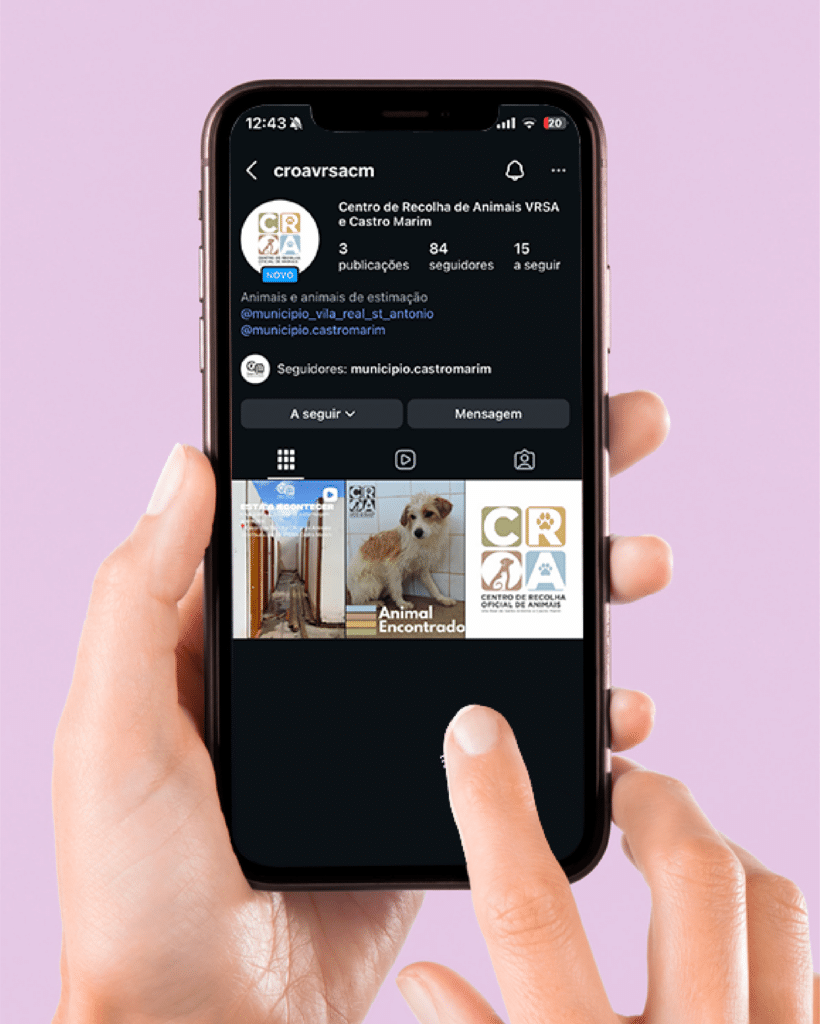
The animal collection centre can now be followed on Facebook and Instagram.