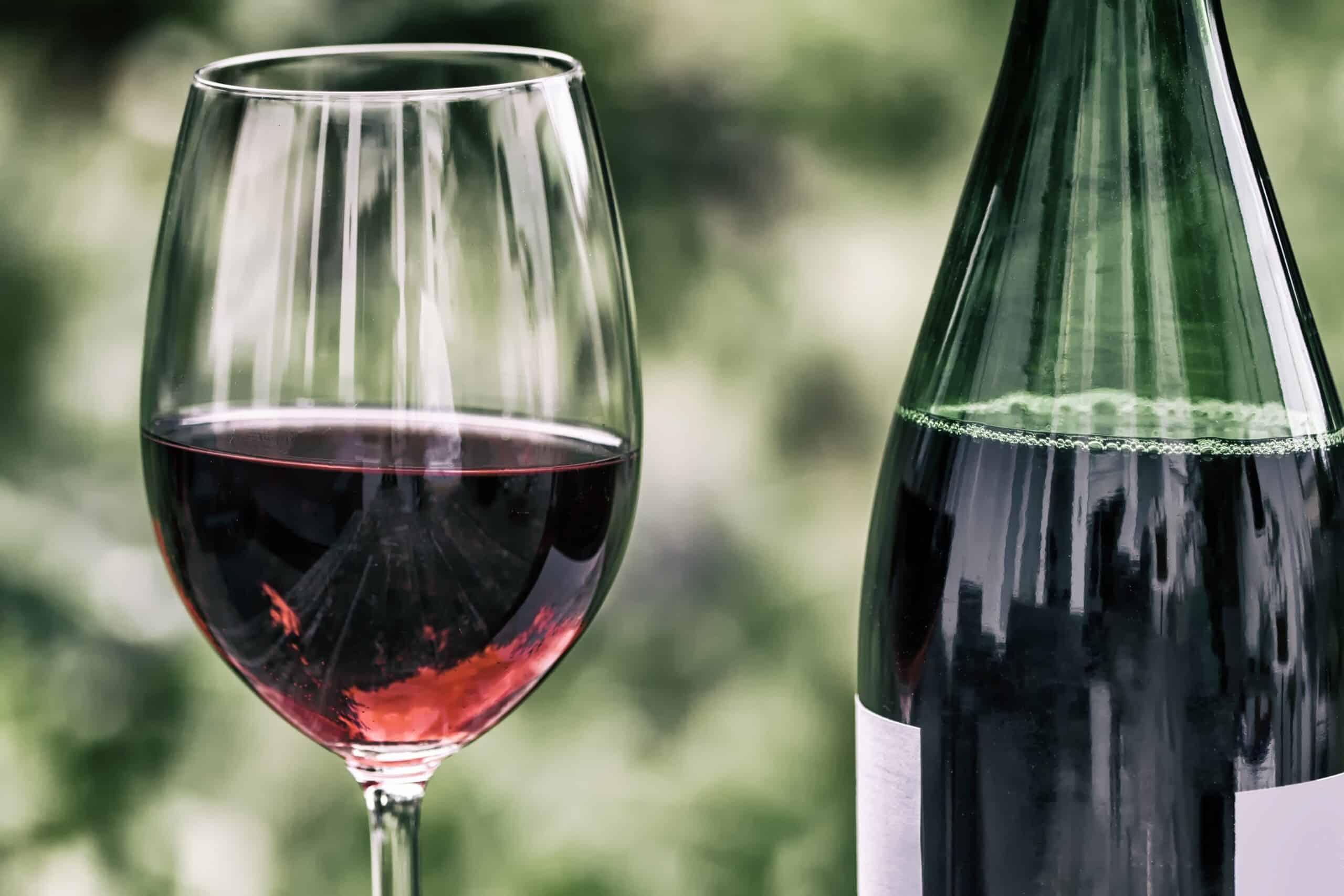
The European Union (EU) has reached a new trade agreement with the United States, but not everyone is raising a glass to celebrate.
While Portuguese cork producers are rejoicing over tariff exemptions, European wine exporters will face a 15% customs duty when selling their products in the US.
“Unfortunately, we did not succeed,” admitted Maroš Šefčovič, the EU Commissioner for Trade and Economic Security, during a press conference in Brussels. The exemption for wine had been a key demand from wine-producing nations, but it was not included in the final deal.
Šefčovič defended the agreement as the best possible outcome. “We have reached our goal,” he said, stressing that the alternative would have been a damaging trade war with “stratospheric customs duties that would harm everyone.”
In contrast to wine producers across Europe, the Portuguese Cork Association (Apcor) welcomed the outcome, calling the US tariff exemption for cork products “decisive” for the industry.
“The exemption from tariffs is decisive in reversing the recent trends in Portuguese cork exports, ensuring that it will make it more competitive to access one of the most important markets for the sector,” the association said in a statement.
According to the statement, this decision is “especially relevant” in a context of “high internationalisation of the industry, present in all wine-producing countries”, and in which “there is no room for a market diversification strategy in the short and medium term”.
For Apcor, this is “international recognition of the unique geographical specificity of cork”, whose raw material is produced exclusively in the Mediterranean basin, with Portugal being the world’s largest producer.
“The uniqueness of this production gives cork products a global exclusivity, making it extremely complex to move the current European production centres to the possible dynamics of re-industrialisation of the American economy,” it said.
Portugal is the largest producer of cork in the world, and with the US being the fourth-largest wine producer, demand for cork stoppers is expected to remain strong.
In its statement, the association thanks the Portuguese government, the Permanent Representation of Portugal to the European Union (REPER), the Portuguese embassy in the USA and the local delegation of the Portuguese Agency for Investment and Foreign Trade (AICEP) for their “decisive commitment and contribution to achieving this result”, adding that the deal marks “a moment of enormous importance for the cork industry and the national economy”.
“The defence of the interests of a sector in which Portugal is a world leader was ensured thanks to coordinated efforts by various entities, allowing us to strengthen the strategic position of our products in the American market,” it stressed.