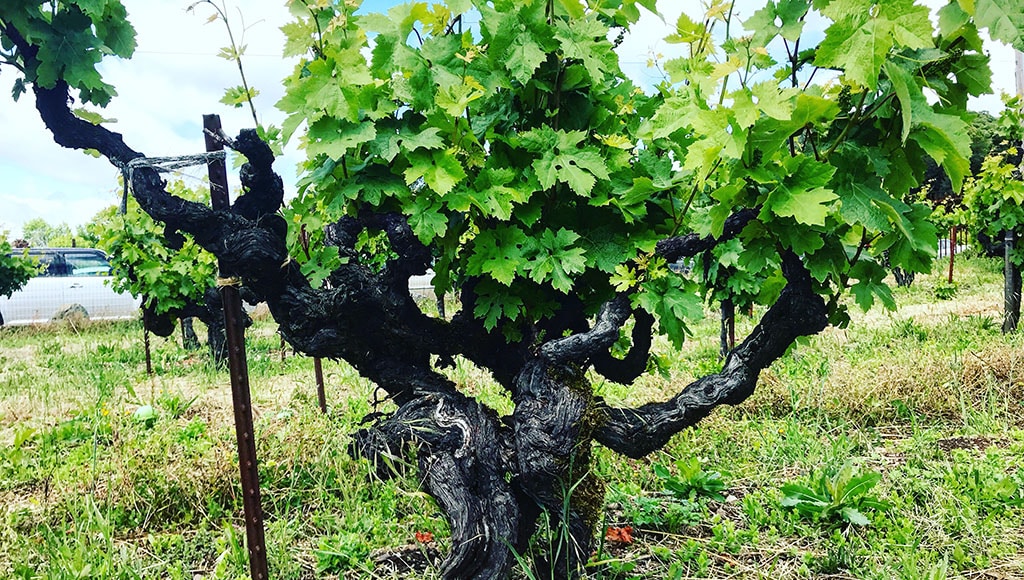
Dry farming may sound like a new-age concept, a part of the sustainability sector of agriculture, and the latter is true, but dry farming in wine culture dates back to the very beginning of viticulture, spanning at least 6,000 to 8,000 years. As the foundational method of growing grapes, it was the standard practice for millennia, relying solely on natural rainfall and soil moisture retention rather than irrigation.
More recently, for more than a century, all grapes grown in the Napa Valley were dry farmed. Indeed, all of the great and fundamental wines that established the reputation of Napa Valley, Beaulieu and Inglenook, the wines of Stag’s Leap and Chateau Montelena. The latter two, Chateau Montelena 1973 Chardonnay and Stag’s Leap Wine Cellars 1973 Cabernet Sauvignon, won the infamous Judgment of Paris in 1976, sending shock waves through the wine world. Each and every one of the 12 American wines entered was from a dry-farmed vineyard.
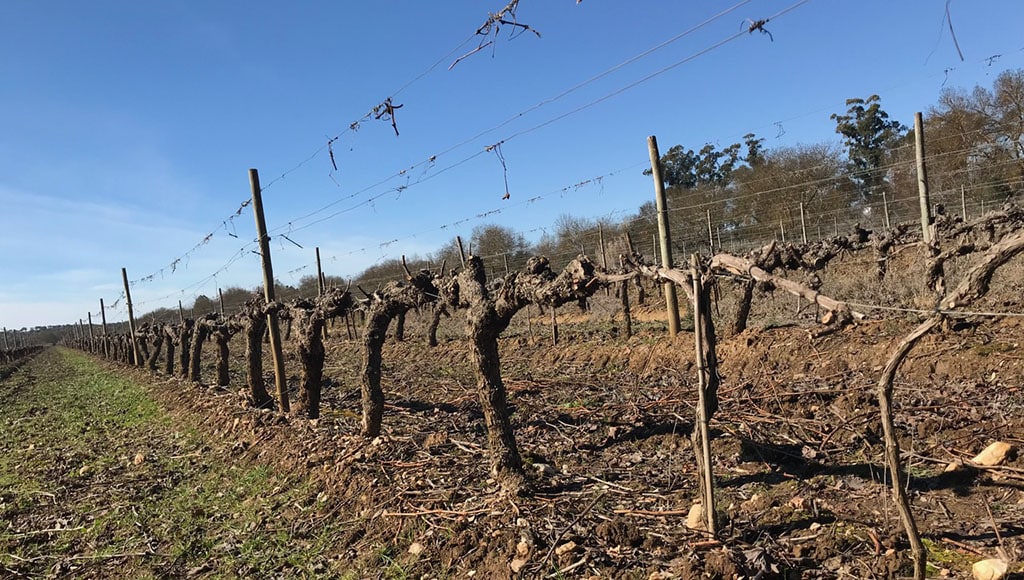
Interestingly, before the 1970s, dry farming was not considered a special technique; it was simply how grapes were grown worldwide, as widespread irrigation was uncommon until then. Irrigation first arrived in vineyards for frost protection, using overhead sprinklers to protect young buds against spring frost damage. Drip irrigation really caught on in the 1970s when producers realized it could increase yields (more quantity of grapes per hectare) on marginal sites.
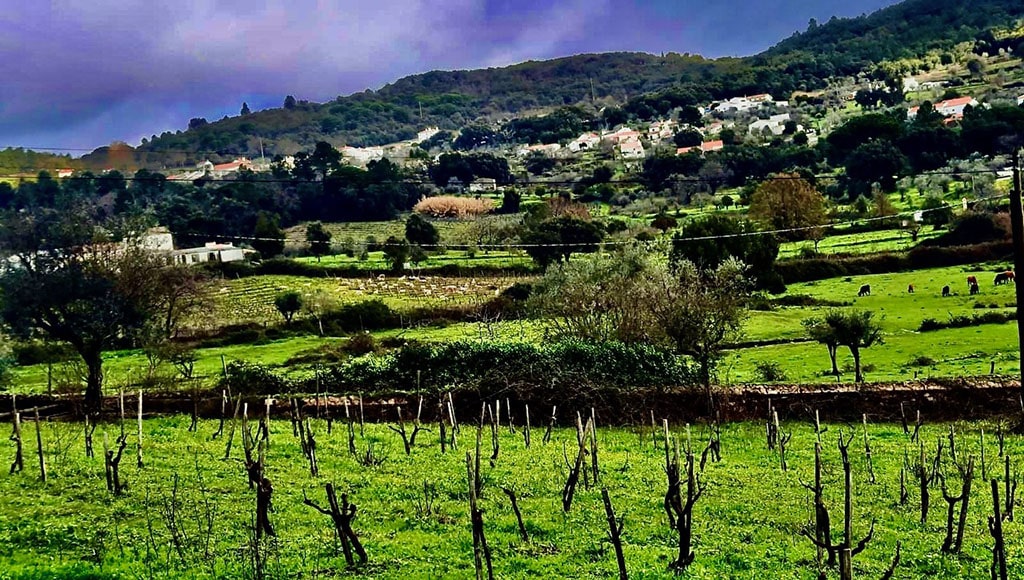
In the “Old World,” many European wine regions, such as parts of France, Italy, and Spain, have laws embedded in their appellation systems that prohibit the use of irrigation. Here in Portugal today, dry farming, or vinhas de sequeiro, remains the tradition, while outright use of irrigation bans is less common today due to climate change.
The DOC regulations in Portugal, overseen by the Comissão Vitivinícola Regional (CVR), do regulate each region and often prohibit or limit irrigation to specific conditions, often strictly controlling or discouraging irrigation to maintain high-quality standards. Many of our regulated wine regions have centenarian vineyards that have been dry-farmed from the very beginning, and new vineyards are still being planted to emulate our ancestors’ dry-farming practices.
It is true that, as global warming and climate change force people to look back at history and towards the future, there is a desire to do more and be better by listening to the land and going back to basics, so to speak. Focusing on the plant, the land, the farm, and the family as one.
Dry farming has returned as a focus for sustainability, as it encourages less manipulation, deeper root systems, saves water (approximately 55 liters per bottle compared to irrigated crops), produces more concentrated flavors, and can result in a more honest wine.
The downside: vines without sufficient water can experience poor flowering, uneven fruit set, small berries, yellowing and dying leaves, shriveling fruit, and even vine death. The ripening process may stop altogether, as the vine can literally shut down when temperatures are too high during the growing season and there is no water source.
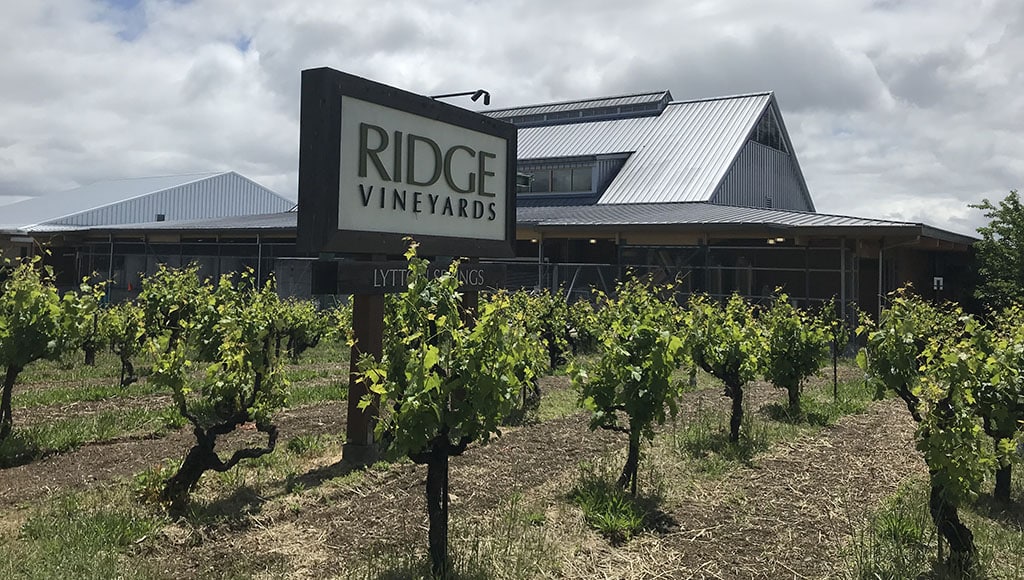
A lack of water means photosynthesis stops, leading to potentially green flavors, poor color, and lower-quality problematic grapes. This is clearly detrimental to producing a commercial crop, never mind a quality one, so irrigation has become the standard practice where the climate does not allow grapes to grow without help, and even where the climate isn’t a problem.
At this point, it may make sense to irrigate but also consider that, without state-of-the-art irrigation technology and specific standards employed in the winery, it can take more than 50 liters of water to produce one liter of wine in a conventionally irrigated vineyard and conventional winery.
To encourage the dreamer out there who wishes to plant a dry-farmed vineyard, there are many books, manuals, podcasts, YouTube tutorials, and even local vignerons who can teach you how to produce and grow vines without irrigation. The vines may need to be spaced 2 meters by 2 meters apart, and there is a small catch: the baby vines do need water the first three years of their lives.
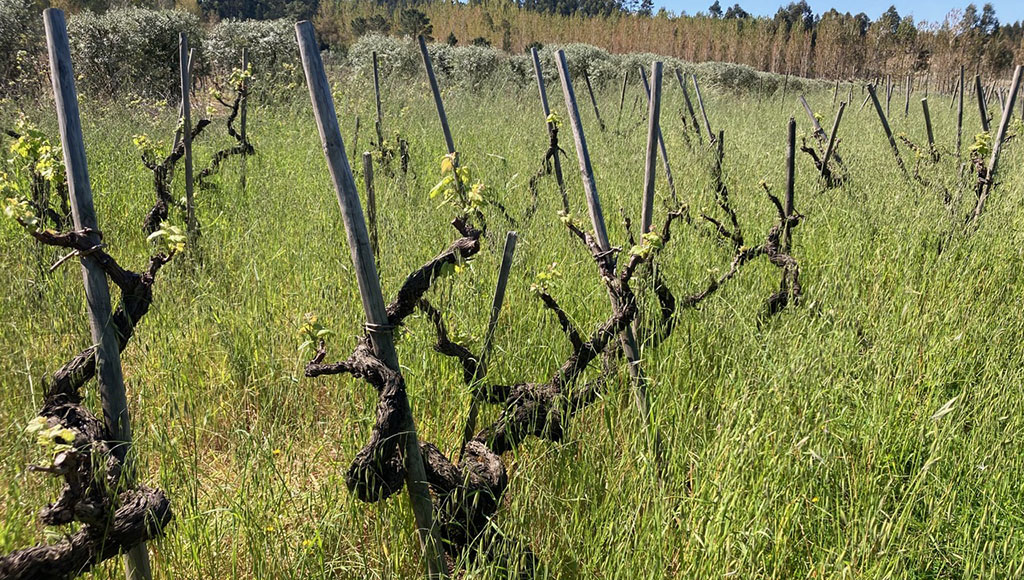
The vines may have to be maintained entirely by hand, and there may not be enough space to use a tractor, leaving this method of dry farming heavy on the manual labor side. The yields will be less, but the quality will be better. Many oenophiles, wine makers, and viticulturists believe that dry-farmed grapes are more expressive of the terroir they are born from, with even more flavor and aroma, and worth the extra cost to produce and sell.
And what incredible flavor-bomb wines should you check out that use this method, do you ask? There are almost too many to write. Nearly every region in Portugal has hectares and hectares of old dry-farmed vines producing phenomenal wine. Pushed to name a few …
I recommend all the wines from João Afonso of Cabeças do Reguengo in the Alentejo. Atlasland from the Algarve in Aljezur, and Natus in the Alentejo (Hamilton Reis, the owner, has one of the best modern dry-farmed vineyards I’ve ever seen).
Source: thewinesociety.com / Caroline Gilby MW
Read more from Candace Olsen’s about wine: An ode to Sémillon! or André Palma and Quinta dos Sentidos