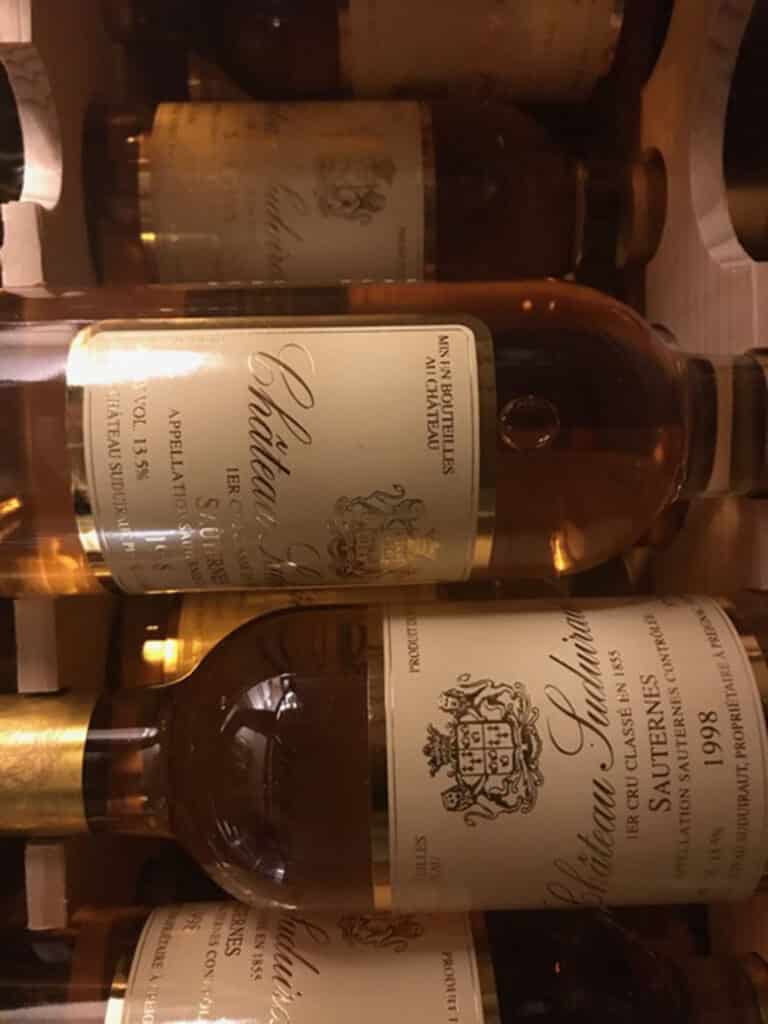
You’re most likely to be more familiar with this grape if you’re a fan of dry white Bordeaux or the quintessential Sauternes.
Sémillon is France’s fourth most planted white wine variety, behind Sauvignon Blanc and Chardonnay, and is native to the Bordeaux region, hence the name. The grape’s original moniker was Sémillon de Saint-Émilion in 1736, and it was once considered the most widely planted grape in the world.
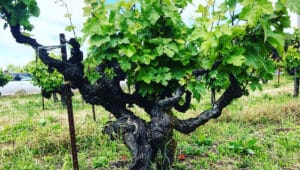
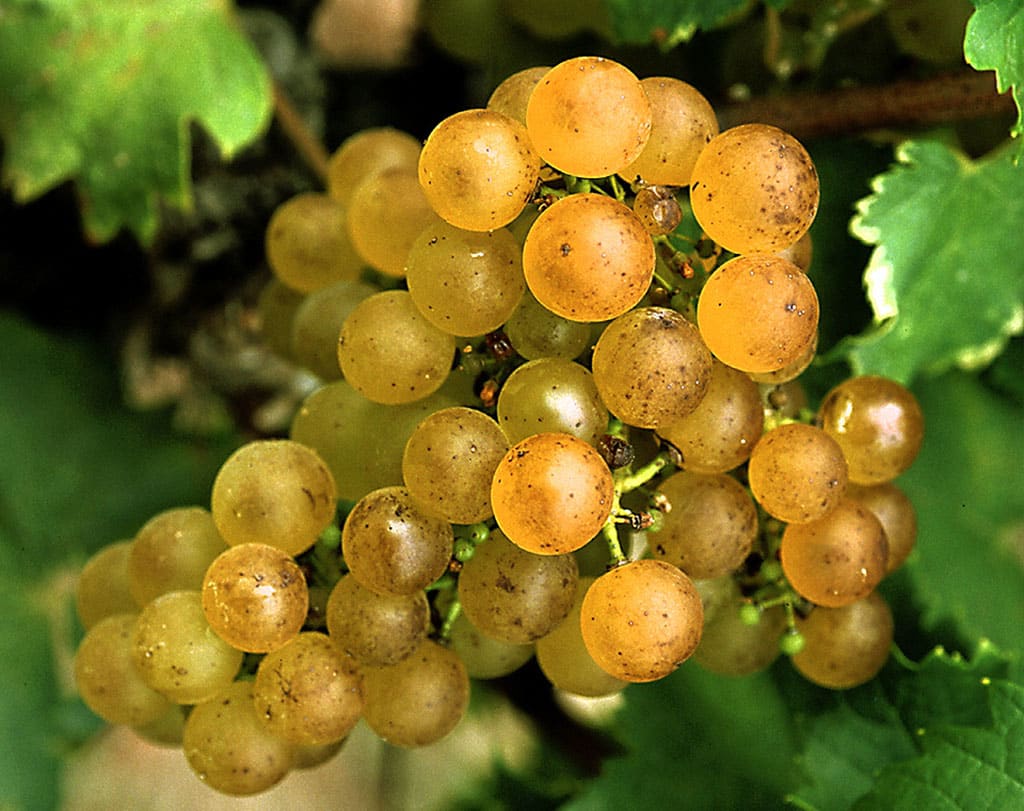
The grape is relatively easy to cultivate and consistently produces six to eight tons of grapes per acre from its vigorous vines. It is fairly resistant to disease, ripens early and, in warmer climates, acquires a pinkish hue. Sémillon wines tend to be fleshy, low in acidity, and almost oily in texture. It is well known that wines made from this variety can age very well.
Perhaps you’re even more savvy and a fan of the grape like I am and have heard of, or even had the opportunity to have, Hunter’s Honey or “Hunter River Riesling” from New South Wales in Australia, where Sémillon is also a prized grape from a small wine region. It’s thin-skinned, susceptible to noble rot (botrytis), and has a viscous, almost waxy, fruit-forward body, making this grape unique and popular with oenophiles.
This luscious grape isn’t easily found outside France and Australia, but it is grown in small amounts in quite a few wine regions around the world, like the US and Chile.
Lucky for us, the grape has a home here in Portugal! With just 76 hectares planted, it’s hard to find a bottle of single cépage Sémillon here, as it’s most often blended with Sauvignon Blanc or Chardonnay, but when you do, you never forget.
Here in Portugal, the grape is planted in Vinho Verde and called ‘Semilhão’, and in the Douro, it is called ‘Boal do Douro’, but it can also be found in the wine regions of Tejo and Lisbon.
This rare, niche grape variety in Portugal is often used in specialized, high-quality, or experimental dry white wines rather than the sweet, botrytized styles common elsewhere (mostly because the unique conditions required for noble rot are not present here, at least not yet).
Portuguese Sémillon often exhibits citrus (lemon/lime) and green apple notes, along with beeswax and chamomile, delivering a complex, elegant profile. These mouthwatering, dry white wines make you want to swirl your tongue over your teeth and reach for the glass again.
The wines produced here tend to be structured, mineral-driven, and capable of aging for many years. Perfect to pair with all our fresh fish, seafood, and juicy chicken piri-piri.
My new obsession
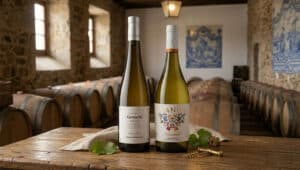
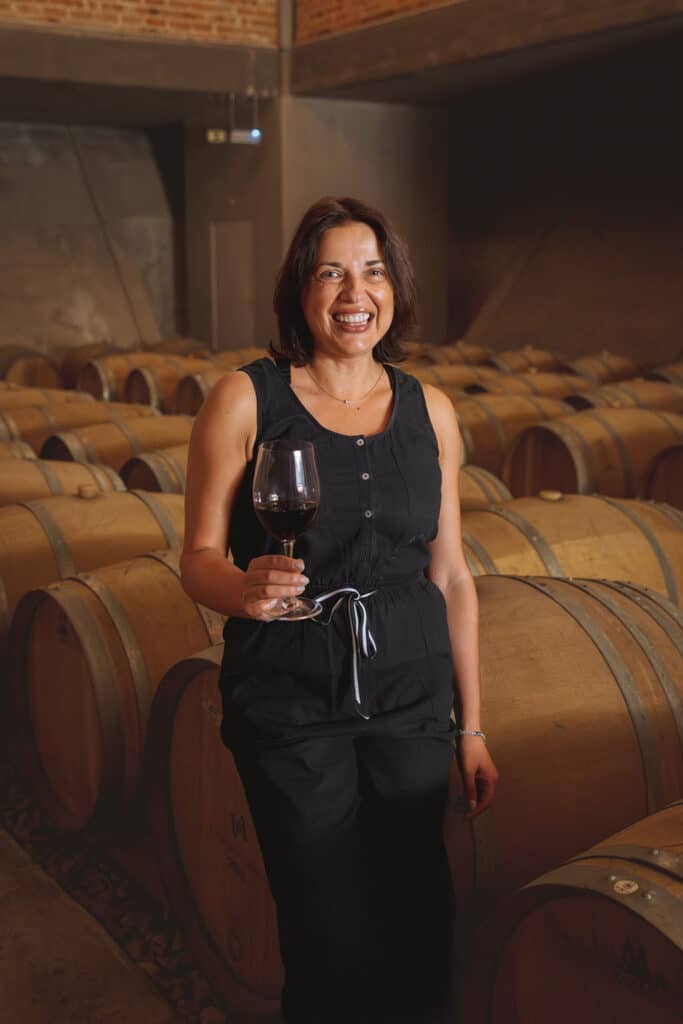
Located in the small village of Vila Chã de Ourique, Cartaxo, just south of Santarém, a young winery exists, with a vibrant female winemaker, Maria Vicente, at the helm. Here, they make my favorite Sémillon in Portugal.
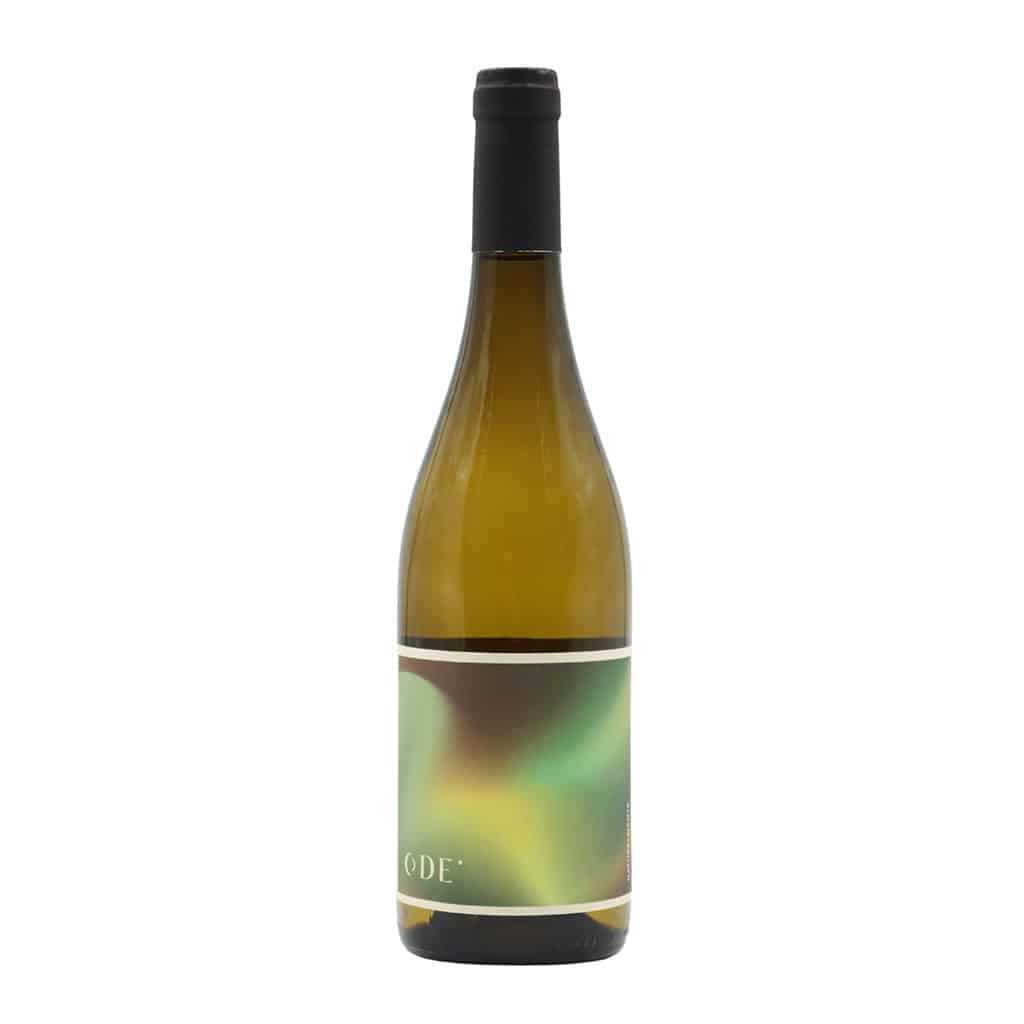
ODE Semillon 2023 (Tejo): A dry wine with low alcohol and high acidity, atypical traits for this grape, which indicates to me the grapes are cultivated with care and attention.
The project spans 96 hectares and is organically and sustainably farmed. This fairly large estate not only serves as the source of their exceptional wines but also offers an adventurous escape from city life for visitors, with rural tourism opportunities for guests who wish to stay.
The wine is exceptional and, quite frankly, jaw-droppingly delicious. I was introduced to this wine at my blind tasting group last December and have thought about it ever since.
As dry white and rosé wines are the most popular wine categories here in the Algarve, as well as for my own palate these days, I thought I’d share my new find!
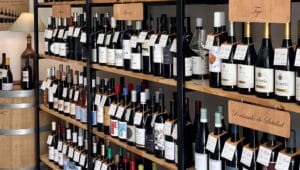
You can buy this wine locally in Loulé at Garrafeira Santos, or buy it directly from the winery online for €17.
Find out more at odewinery.com/wines
Read more from Candace Olsen’s about wine: André Palma and Quinta dos Sentidos or Have you heard of Portugal’s forbidden wine?