So, what is it, where did it come from, and why haven’t you or I tried any yet?
Let’s begin with the fact that there is not a lot of published material out there about this wine. I personally first found out about this wine at an amazing restaurant in Portimão, Loki. The chef and owner João mentioned this strange wine in one of his stories about our region and it never left me.
This last summer, while I was working at Monte da Casteleja, I had the pleasure of hosting João, and I took the opportunity to ask him to tell me more about Vinho Morangueiro. During our chat together, I was like: “Wait a minute… What is this wine really and why have I never heard of it, or tried it?” My friend said I hadn’t heard of it because it’s “forbidden”. However, João did say he knows someone who knows someone who has a friend that makes this natural, traditional ‘elixir’ in Monchique.
Hmmm… forbidden? Of course, I instantly asked where I could buy it. He said I couldn’t and that he’d try to get me a bottle when the wine was ready. I was and still am completely intrigued. It’s been impossible to find. I’ve asked many of my industry friends, local viticulturists, winemakers and colleagues and they have no answer for me, except, “you know it’s forbidden, Candy, right?” Still crossing my fingers that my chef friend won’t forget about me and will obtain a bottle “when it’s ready”…
This hard-to-find local wine continues to be wrapped in mystery.
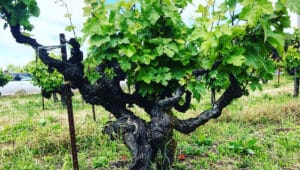
Vinho Morangueiro, Vinho do Cheiro or Strawberry Wine is usually a light-red wine made from a vine that most refer to as American rootstock, or the American vine. But it’s really an American/hybrid grape cultivar (Vitis labrusca x Vitis vinifera). So, this hybrid is not the typical American rootstocks you see in vineyards with European vitis vinifera vines grafted onto. It’s its own hybrid variety.
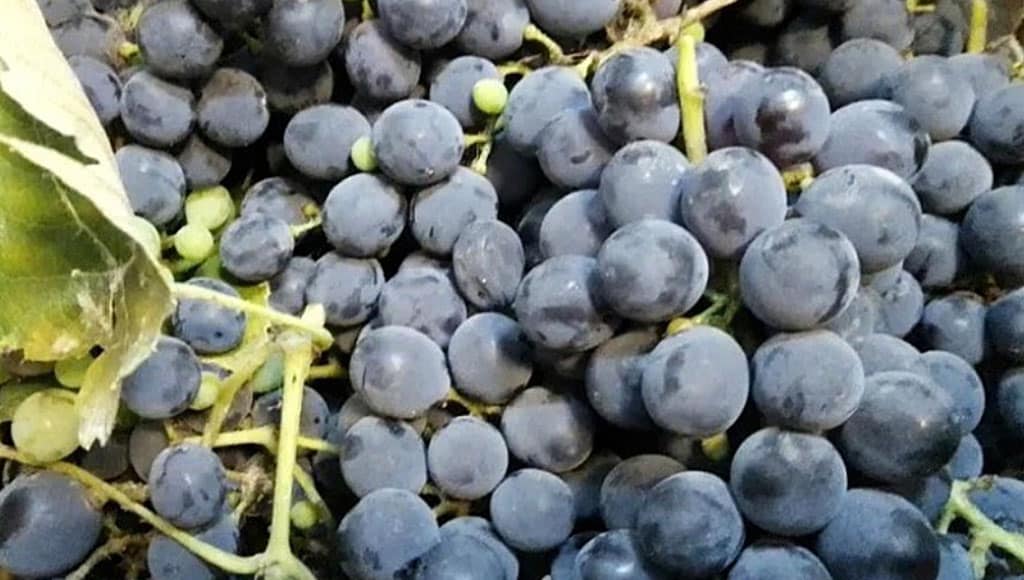
Since phylloxera came to Portugal in 1870 and obliterated Portugal’s vineyards, the American hybrid was used. Portugal’s favoured hybrid variety is Isabella. Developed in the early 19th century in the United States, it possesses genetic material from both American wild grapes and the European wine grape species. Thought to have been discovered in South Carolina in 1816, it is a vigorous, dark purple, thin-skin grape known for being relatively hardy and shows natural resistance to diseases like phylloxera and mildew.
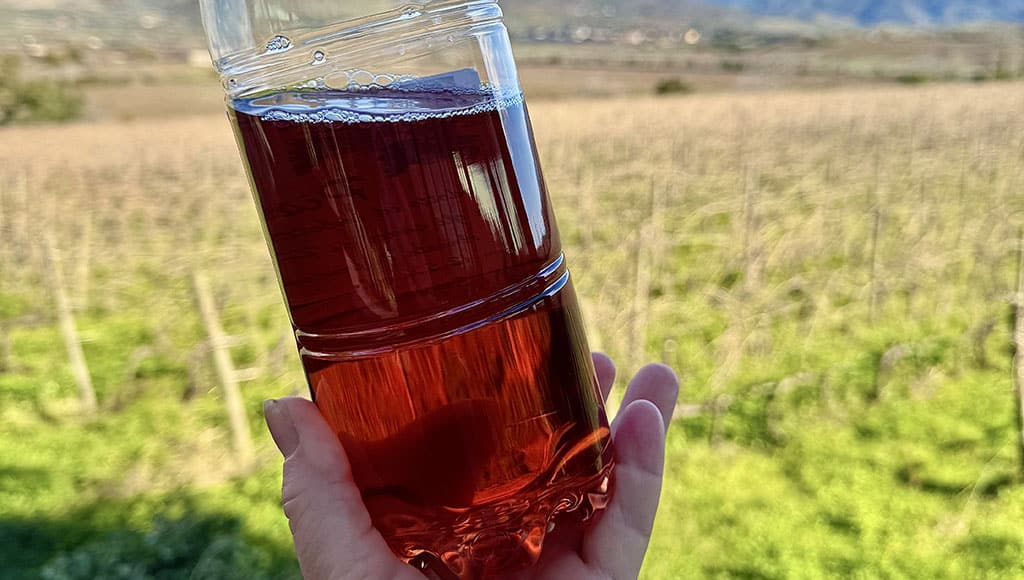
Strawberry wine can have a purplish to pinkish colour, with an intense ripe red fruit aroma, which, in some circumstances, resembles the smell of strawberries (hence the name). The wine generally has a low ABV (7 to 10%), which makes it difficult to age or conserve as it can quickly oxidise and turn into vinegar if exposed to air. This requires the wine to be consumed in the year of production. Hazzah! I’m not sure about you, but I think I can manage that!
The wine not consumed generally gets distilled to aguardente.
Despite the fact that the wine industry considers strawberry wine as well as any wine made from American rootstocks, hybrids or crosses very low quality, the wine can be refreshing and because of its intensely aromatic attributes, it is used by locals here in refreshments (with a carbonated drink) to celebrate at traditional holiday feasts and in cooking (why not?).
It is still made today all over the country, in secret, and continues to have a large number of connoisseurs. The story goes that if you get pulled over and are asked where you got the wine, you say it was a homemade gift from a friend.
The tradition of making wine from American rootstocks began in Portugal following the destruction from phylloxera, with particular prominence in the north of the country (namely in Minho and Douro Litoral), which, due to its humidity and altitude, does not allow the cultivation of European vitis vinifera vines.
It was in these areas that this wine gained greater popular support, particularly because American vineyards produced more than European ones. The competition with the European vines was and still is intense, resulting in the prohibition of strawberry wine marketing and selling. The EU wine-governing body is threatened by the popularity and local enthusiasm of the wine, leading to its illegal status.
In the Azores today, due to the introduction of American vineyards at the end of the 19th century, the Isabella variety, in particular, is still cultivated and produced in remarkable quantity.
Although the ban on strawberry wine in Portugal is essentially due to reasons of commercial protection of European grape varieties, it has been consistently claimed that the strawberry wine is harmful to health because it is rich in methanol.
This compound results from the fact that some grape varieties (Noah, Isabella, Concord and Ives) are high in acidity, low in sugar and rich in pectin. In these circumstances, pectin can be converted into methanol with the aid of existing natural enzymes during fermentation. Methanol is highly toxic and can severely affect the eyes, even in small concentrations.
However, not all strawberry wine will make you blind! More recent studies have shown that the presence of methanol is the result of poor winemaking and not the intrinsic characteristics of American grapes. That being said, there should and must be a lot of caution regarding its preparation, taking into account the percentage of acidity of the must and its direct relationship with the presence of methanol. For strawberry wine producers, lab testing and analysing is a must.
When life gives you lemons, make lemonade!
Perhaps Vinho Morangueiro is a wine to consider for our future as the vines are prolific and don’t need much to survive, are phylloxera- and mildew-resistant and produce a pleasing low-alcohol wine.
Like other grape varieties, the “strawberry grape” is rich in antioxidants, potassium, magnesium, folic acid, vitamin B6, flavonoids and resveratrol, which act against cardiovascular diseases and cancer. When we are all slowly drifting towards moderation, low ABVs and healthier alternatives, why not try strawberry wine?
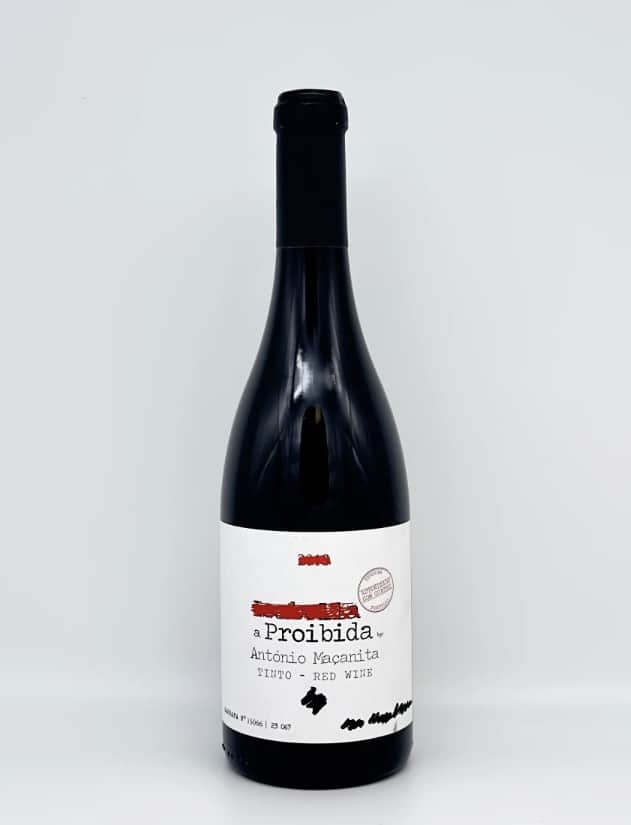
There is one fairly known version of strawberry wine, in tinto and rosé, from one of Portugal’s celebrity winemakers, António Maçanita, and his project on Pico Island, in the Azores. Somehow these wines have escaped the authorities. You can find them online through his website and try them for yourself!