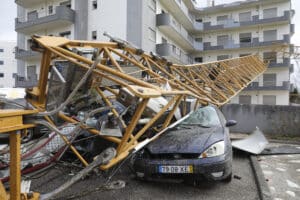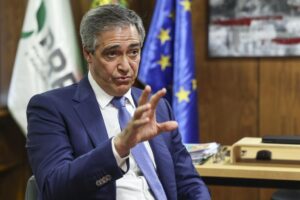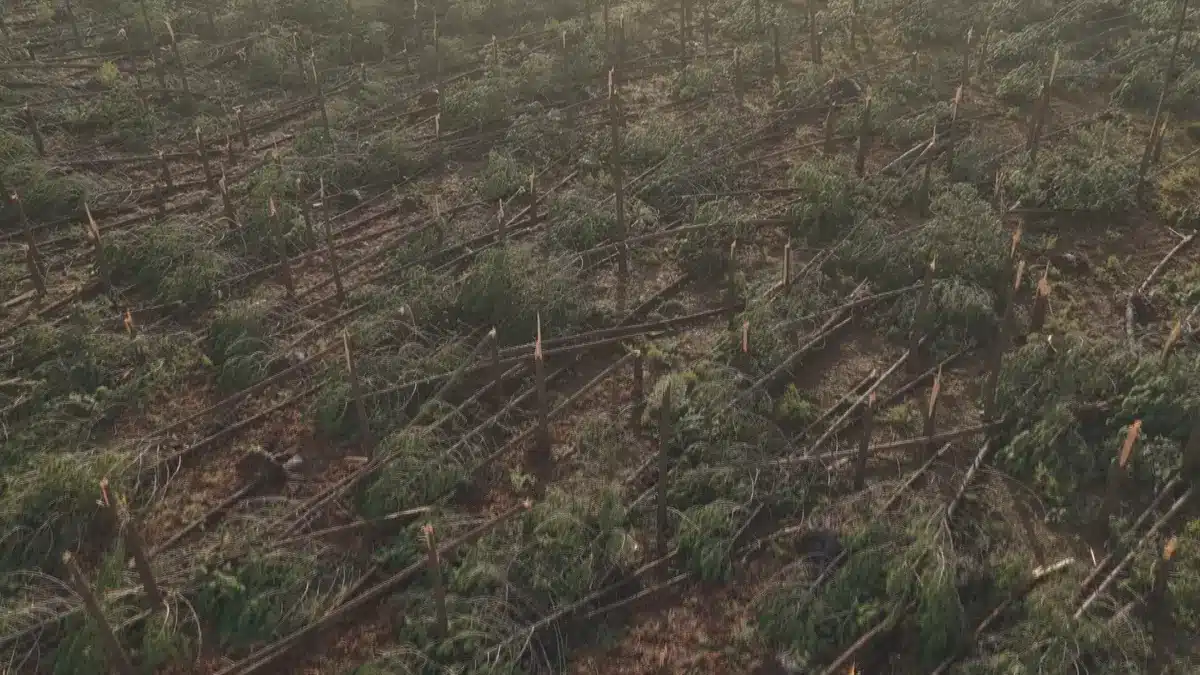
With 26,000 households nationally still without electricity as a result of the recent battering by storms, Europe’s agriculture commissioner Christophe Hansen is to visit farms in the municipalities of Leiria and Pombal tomorrow to learn first-hand about the situation on the ground.
Hansen’s trip follows an ‘invitation’ from the Minister of Agriculture, José Manuel Fernandes, following Portugal’s request to the European Commission to activate the crisis reserve for agriculture – a mechanism with a total annual allocation for the European Union of €450 million.
But the fact is that all the areas suffering still uncalculated damages from the recent storms have lost their ‘situation of calamity’ status (it ran out at midnight last night), and consequently their exemption from paying motorway tolls.
Considering a number of roads throughout practically all the (68-plus) municipalities are still closed or in some way impassable, communities are not impressed. The intermunicipal community of the Leiria region has been insisting that support (and motorway toll exemptions) should remain in place. PS Socialists have also called for the situation of calamity to stay in force for a minimum of three months. This far, the government is silent – while a number of ‘inconvenient stories’ have been appearing in the press: the latest (in Correio da Manhã this morning) suggesting a department set up to ensure the government reduces costs has been found signing a contract for around €20,000 to ensure the prime minister’s official residence “can watch football on television”. The story refers to a contract with ‘Sport TV’.
But returning to tomorrow’s visit by Europe’s head man in agriculture, the Commission said last week that it was “still analysing Portugal’s request” – thus the trip must be part of that analysis.
As Lusa explains: “The Regulation on the common organisation of the markets provides for exceptional measures, such as activating the reserve, which may be taken to prevent market disturbances and exceptional events affecting production or distribution – and to mitigate their consequences.”
Source material: LUSA/ Correio da Manhã