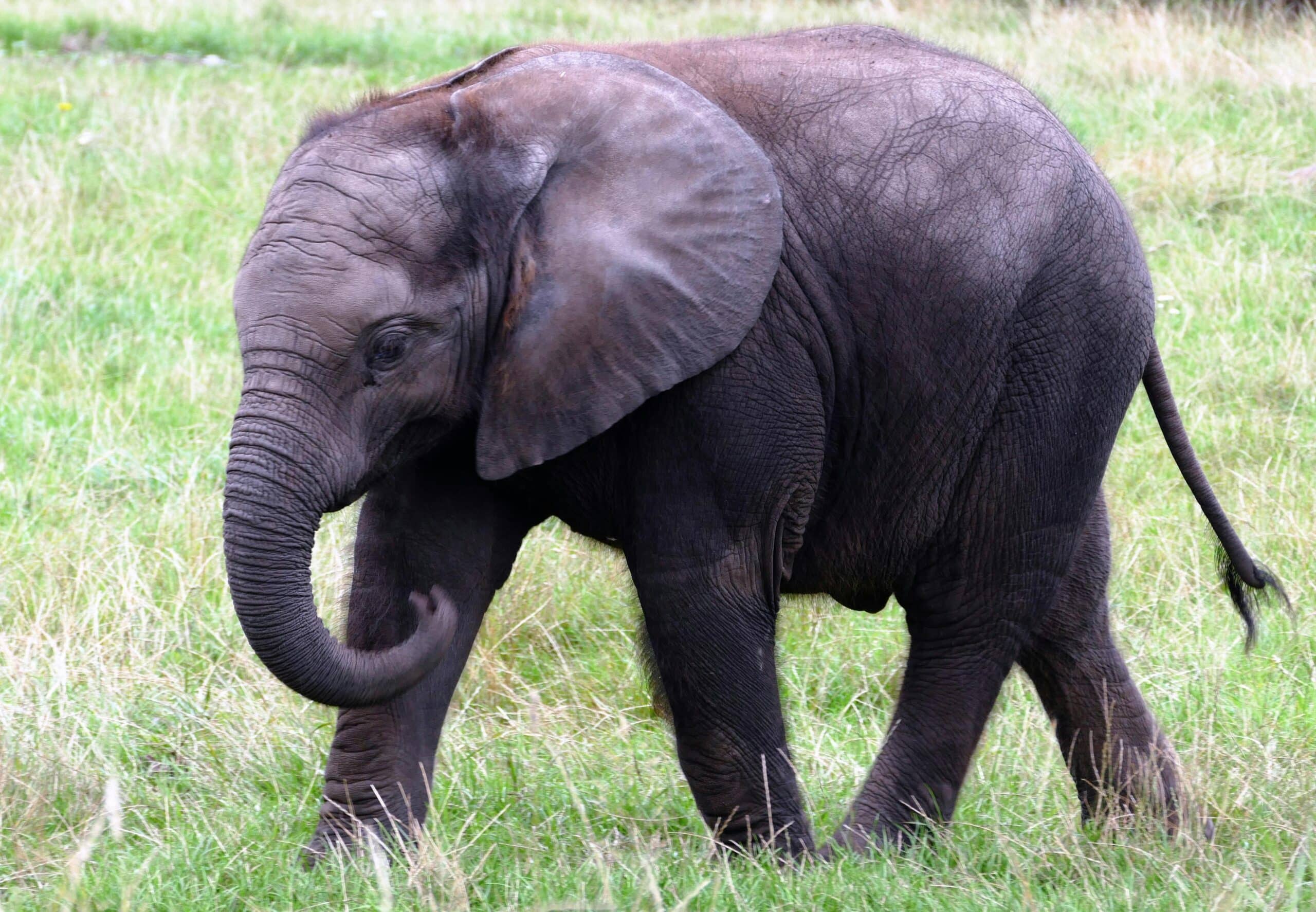
Portugal’s Alentejo region is set to become home to a groundbreaking project – Europe’s first sanctuary for elephants that have lived in captivity.
Set across 402 hectares between Vila Viçosa and Alandroal, the vast refuge will welcome its first residents – elephants from zoos and circuses across Europe – in early 2026. The initiative is led by the non-profit organisation Pangea, registered in Portugal and the UK, with support from local councils and national environmental authorities such as Directorate-General for Food and Veterinary (DGAV) and the Institute for Nature Conservation and Forests (ICNF).
The land was purchased in 2023 by the non-profit, which has been busy preparing it for the elephants. “We’ve been working on managing the habitat, improving its quality and making sure it’s as diverse as possible,” Pangea’s general director Kate Moore told Lusa news agency.
Construction of the sanctuary’s first barn and enclosure began two months ago and is expected to finish by December. The first elephants are due to arrive at the beginning of 2026, between January and March, Moore said. Between 20 and 30 elephants could eventually call the Alentejo home, though the exact number will depend on habitat space and welfare studies.
“We’re going to do a lot of research into how much space the elephants need and what’s working. So we’ll be constantly evaluating that number,” she said.
In a statement, Pangea explained that the project consists of creating a natural space for “elephants in a vulnerable situation”, so that the animals can “move freely, feed and socialise, just as they would in their wild habitat”.
“We’re not here to rescue elephants, but to work with people who already have elephants and are looking for an alternative for these animals,” such as “elephants that are in countries where circuses have been banned from using wild animals” or zoos that “no longer want to keep elephants but do not have a place to send them,” Moore explained.
“We want to help these circuses, zoos and governments to give a home to these elephants that no longer have a place to live, providing them with a natural habitat where they can roam freely, but at the same time with veterinary and zootechnical care,” she added.
After carrying out a feasibility study on a European scale, “Portugal was selected for its ideal habitat and climate conditions,” Pangea said.
Kate Moore told Lusa that the property chosen in the Alentejo was considered “the best because of its topography, very gentle hills that are good for elephants to walk on, very diverse habitat and a private area with plenty of water”.
Without revealing the exact sum to be invested in the sanctuary, the general director explained it is being funded by donations “made by organisations and the public”. The sanctuary will employ local workers and collaborate with nearby businesses.
“We are already working with some local companies and we want to create more partnerships and ensure that we are also employing local people,” she said, noting that the project includes specialists in elephant welfare and breeding. Still, there will also be “a training programme to develop local skills”.
While the site won’t open to the public regularly, organisers plan to hold annual open days for locals and donors through a draw or lottery so that they can visit the space.