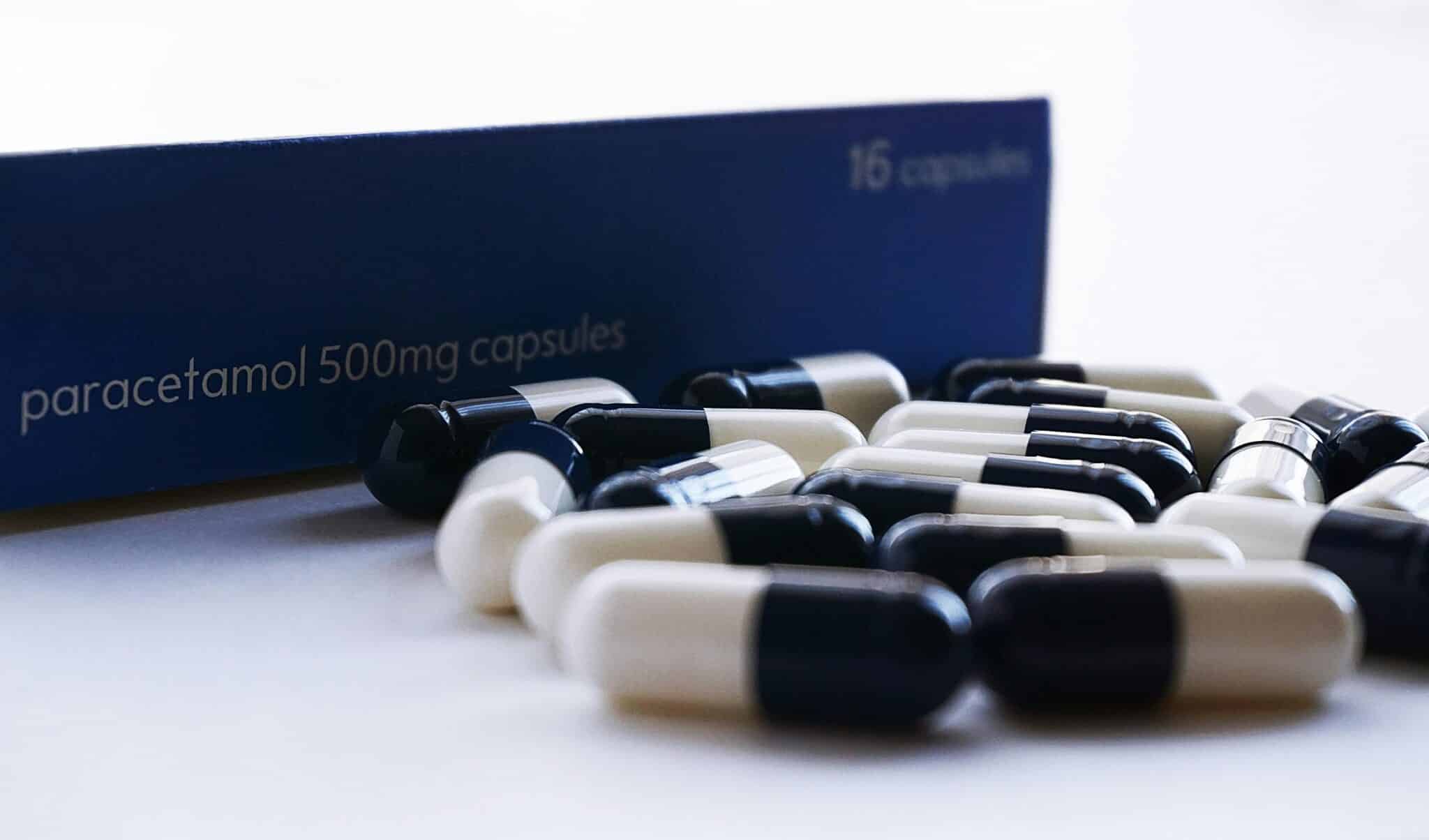
Portugal’s Health Ministry is among several health bodies across Europe warning families about a dangerous social media trend known as the “paracetamol challenge”, which encourages young people to take excessive doses of the painkiller to see who can last longest without going to hospital.
In a statement shared online, the ministry stressed that this “is not a game” and represents “a serious health risk”. Taking too much paracetamol – sold over the counter up to 500mg – can cause “serious liver damage, which can progress to liver failure and, in extreme cases, the need for a transplant or death”.
One of the biggest dangers is that symptoms may not appear straight away. The Portuguese Order of Physicians (Ordem dos Médicos) warns that “in the first hours, and even on the first day, there may be no relevant symptoms. That apparent normality is misleading and leads to dangerous delays in treatment.”
Early signs include nausea, vomiting, sweating, feeling unwell and extreme tiredness. As liver damage progresses, abdominal pain and severe complications can develop.
If there is any suspicion of an overdose, doctors say do not wait for symptoms. Contact the Poison Information Centre (800 250 250) or call 112 immediately.
While the challenge has gained traction recently on TikTok, this behaviour has been registered in Portugal for several years, according to Erica Torres, paediatric emergency coordinator at ULS Santa Maria in Lisbon. In the past six years, 232 cases have been reported at Santa Maria Hospital – the largest hospital in Portugal – and around half of the cases happened in the last two years. “The number is always increasing: 59 in 2024 and 72 in 2025,” Torres told Lusa news agency.
“Just yesterday (Sunday), we had a teenager with an intoxication of 10 grams of paracetamol, which is a lot,” she said.
While some cases are “true suicide attempts”, most are linked to impulsive acts. Psychologist Inês Oliveira Ferreira told CNN Portugal that such challenges are driven by a “need for belonging and validation”, combined with the fact that adolescents’ impulse control is still developing.
Erica Torres, however, rejects the idea that these acts are simply attention-seeking. “We can never say that,” she said, adding that many cases are attempts to relieve emotional distress. “This is the same thing. It is harming oneself.”
For the paediatric emergency coordinator, these cases are just the “tip of the iceberg” when it comes to broader mental health issues among young people, increasingly afflicted by panic attacks and anxiety.
Portugal’s medical emergency institute (INEM) says it has no specific data linking cases directly to the challenge, but confirms there are intentional paracetamol poisonings among teenagers.
Experts are urging parents and educators to be more vigilant. Oliveira Ferreira recommends spending time with young people and discussing the content they consume online “more with the goal of reflection on the subject and less about criticism and judgment.”
Doctors also advise keeping medicines in secure places and ensuring that, particularly in the case of teenagers taking prescription drugs, adults manage the medication.
“If teenagers have the medicine available in the bedroom, it is easier to make an impulsive decision,” Torres warned.
Source: Lusa/CNN Portugal