Economist highlights intentions that “were never part of AD’s election manifesto”
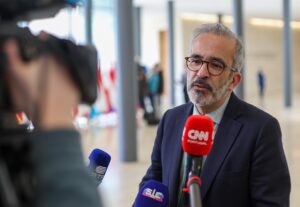
AD’s reformist government programme was approved last Thursday and will now be discussed in parliament. It has 10 priorities, including state reform, immigration (reform) and raising incomes – but there are a few ‘surprises’, economist Pedro Sousa Carvalho has told Antena 1: intentions that might foment disquiet and which were “not included in the AD government’s electoral programme”.
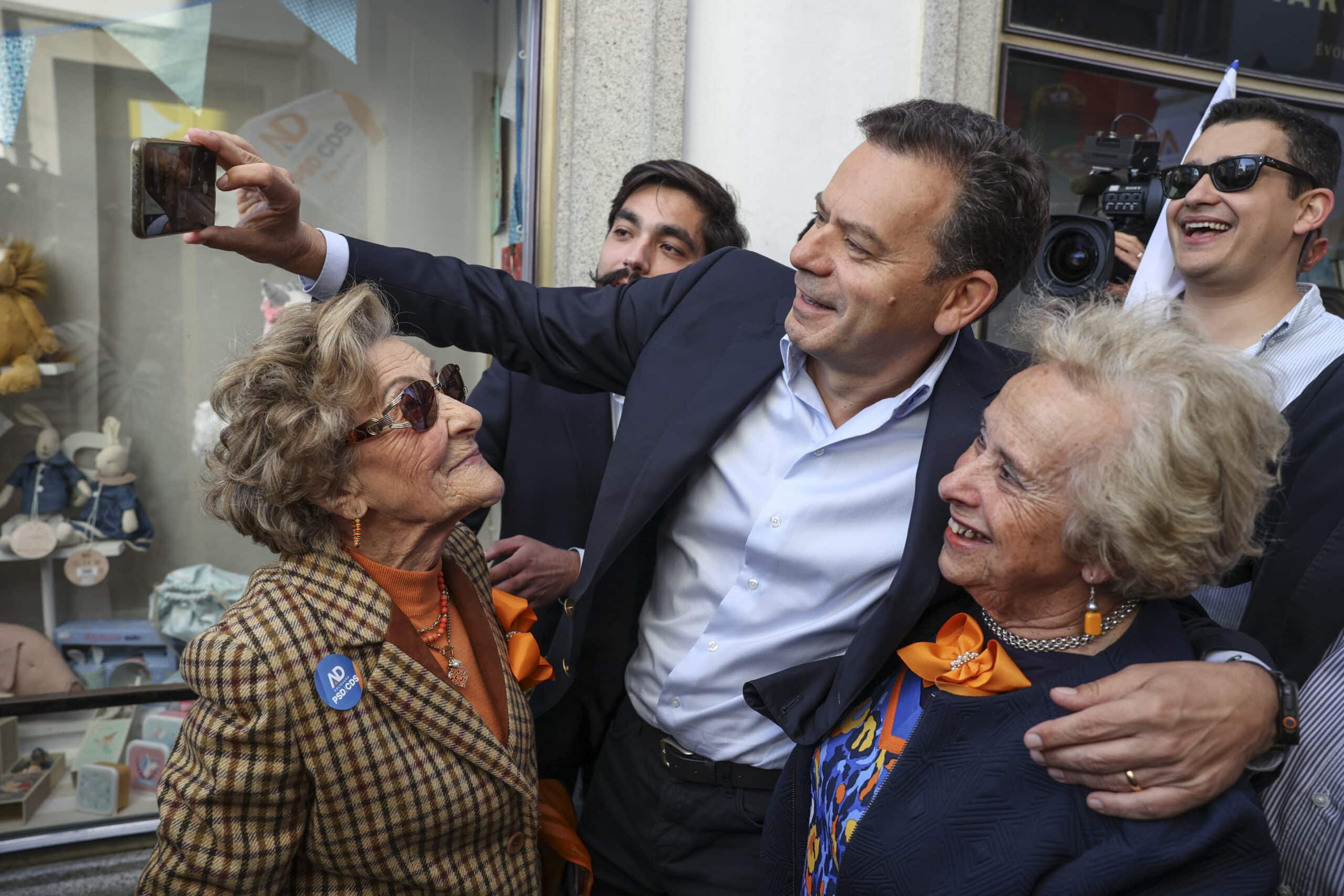
The most surprising surprise is the point referring to a possibility of reviewing the ‘right to strike’. Readers may remember that during the electoral campaign, CP (Comboios de Portugal railway unions) brought trains all over the country to a virtual standstill for days, causing commuters intense head- and heartaches. At the time, the prime minister said unions shouldn’t be able to cause such damage in people’s lives: “The effects of the strike, the damage caused to people’s lives and the life of the country; there’s a huge disproportion and, frankly, one day we are going to have to put an end to it…” he told the barrages of microphones following him around the country. Well, that ‘one day’ has now come a lot closer.
Another issue not on AD’s electoral programme, but on the Executive’s programme is that the government wants to give workers the option of receiving their 13th and 14th salaries (holiday benefits) in ‘twelthes’, spread over the year. This is something that already happens in the private sector, but not in the civil service.
“At first glance it seems positive, but it could awaken ghosts from the days of the troika, when the government led by Pedro Passos Coelho was accused of wanting to do away with holiday bonuses,’ mused Sousa Carvalho, stressing this will not be the government’s intention, but the clause could ‘create distrust’.
And finally, on the subject of state reform, the government’s programme talks of ‘net reduction of direct state administration entities’. In other words: closing down of state services.
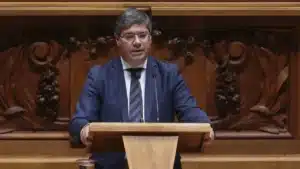
Minister for the presidency António Leitão Amaro has already guaranteed that this reform of public administration and the state business sector will not be synonymous with sacking civil servants or cutting salaries. But it’s normal, says Sousa Carvalho, for “some civil servants” to start to feel uncomfortable, if not concerned.
As the government has stressed, the programme is to be discussed.
source material: Antena 1