Since Donald Trump announced the introduction of 50% tariffs on Brazilian goods, the market for this raw material – coffee beans – has been in disarray, writes Dinheiro Vivo today – “and prices are expected to continue rising”.
While the US and Brazil remain at the negotiating table trying to reach a trade agreement, global consumers have already experienced a 40% increase in the price of coffee.
The US is the world’s largest consumer of coffee and Brazil supplies the country with about a third of the total coffee consumed. Any changes in the trade dynamic between these two countries will ultimately affect the global coffee market.
Dinheiro Vivo adds: “On international markets, the price of Brazilian coffee has already slipped 5%, while that of its competitors – Colombia, Mexico and Guatemala – has risen by up to 10% with the increase in demand.
“The price of coffee has been rising in recent years, with the climate being cited as the ‘main culprit’: rainfall, droughts … everything has helped to justify the drop in production and the increase in prices for coffee producers around the world.”
Inevitably, this increase was already having an impact on consumers, even before the US-Brazil trade conflict.
“In fact, just this week, (Portuguese consumer watchdog) DECO warned that ground coffee has seen one of the largest increases in the ‘food basket’ that has been monitored regularly since 2022,” continues DV.
According to data collected by DECO, roasted ground coffee is the product in the food basket which has seen the greatest increase in price this year.
“In the last week alone, the price of coffee has risen by 71 cents. A 250-gram packet of roasted ground coffee can now cost €5.13, notes DECO. On January 1 this year, the same packet of coffee cost €3.81, which means a 35% increase in less than a year. If we go back to 2022, the increase compared to the beginning of that year is 71%,” writes DV.
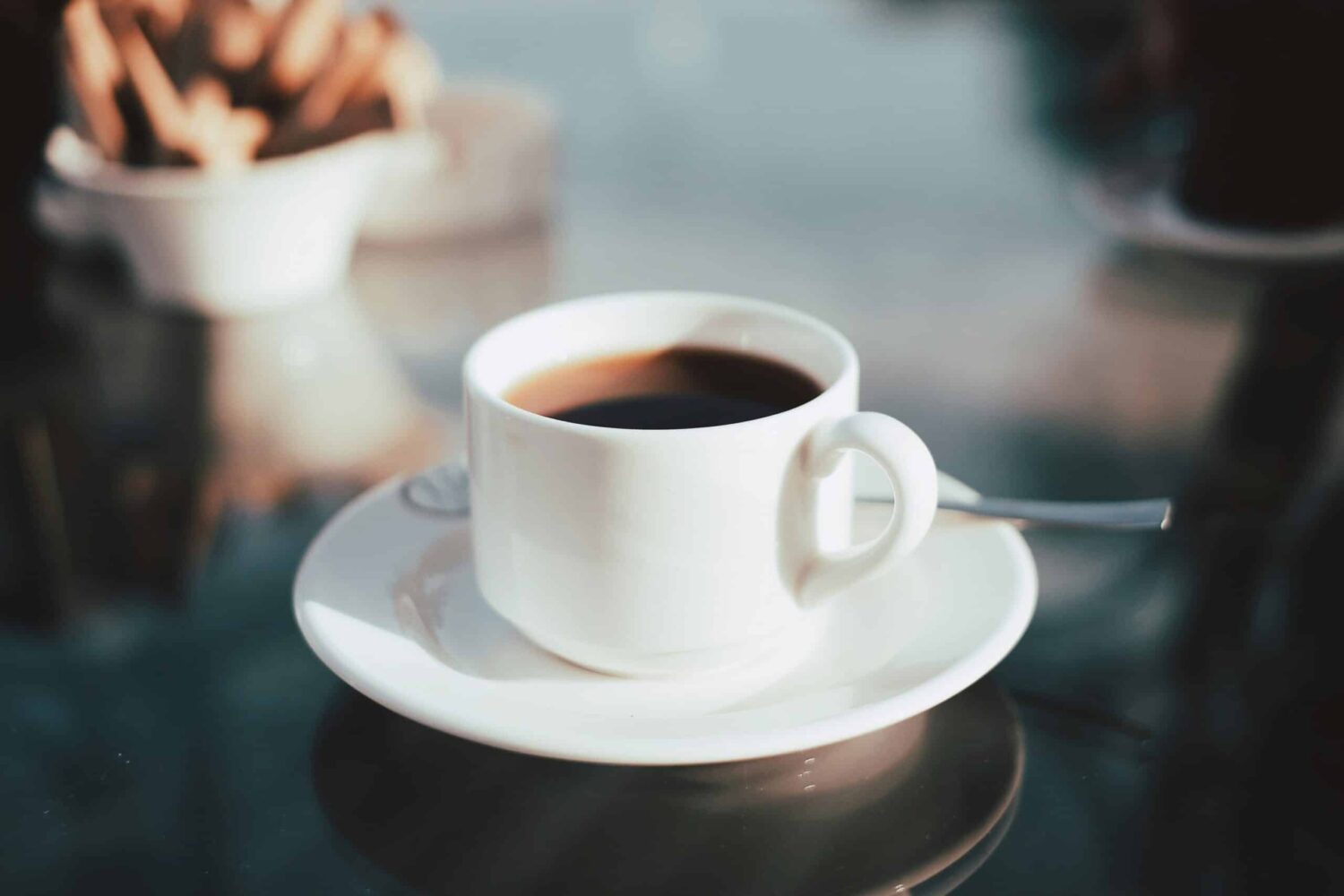
In a country where coffee drinking is a ritual, the price increase has a significant impact on consumers’ wallets. DV goes as far as to say that this “may be reflected in a decline in consumption, at a time when commercial establishments are also not shy about increasing the price of a ‘bica’ coffee.”
“In Lisbon,” Dinheiro Vivo goes on, “a consumer will struggle to find a pastelaria (coffee shop) selling a ‘bica’ for less than €1. And with the new year approaching, further increases are to be expected.”
Those who choose to drink coffee at home are also being impacted by this price escalation, which, “according to indicators available in the raw materials markets, shows no signs of slowing down any time soon”, concluded DV.