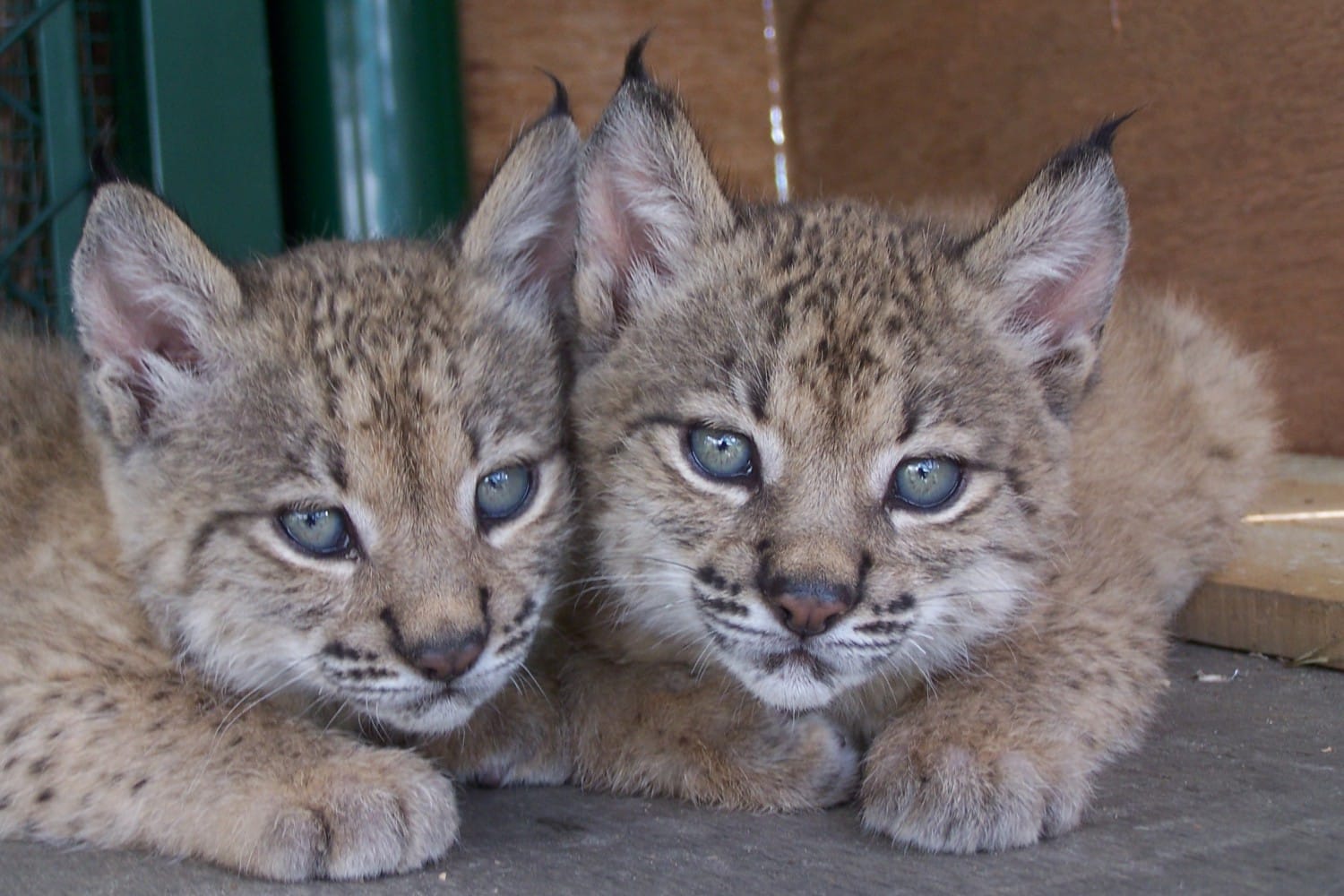
The Iberian lynx has made an impressive comeback over the past decade, but experts warn that the famous wild cat is not out of danger yet.
Speaking at the International Iberian Lynx Congress, which runs until Thursday, in Seville, Javier Salcedo, coordinator of the LIFE Lynx Connect conservation program, praised the “spectacular growth” of the population, but stressed that the species remains threatened.
“We must keep working. The population growth has been spectacular – we ourselves are surprised by the results – but the lynx is still in danger,” Salcedo told Lusa news agency.
His assessment of the situation comes just a few months before the end of LIFE Lynx Connect, the fourth EU-funded program dedicated to Iberian lynx conservation.
According to the latest census data from Spain and Portugal revealed in May, the number of Iberian lynxes in the peninsula rose by 19% in 2024, reaching 2,401 animals. Of these, 1,557 are adults, including 470 breeding females – 64 more than last year. It’s a remarkable turnaround for a species that had fewer than 100 individuals in 2002.
Conservation efforts have pulled the species from an “endangered” status to a “vulnerable” status on the International Union for Conservation of Nature (IUCN) Red List, though there is still work to do.
Scientists working on LIFE Lynx Connect, which helped pull the species back from the brink of extinction in the early 2000s, warn, however, that a “favourable conservation status” will only be reached once the population reaches between 4,500 and 6,000 individuals, including at least 1,100 breeding females.
As Salcedo points out, a “vulnerable” status means that the Iberian lynx still falls under threatened categories. “Despite the very positive news, there is much to be done,” he said, adding that efforts must continue to raise the species out of this risk category.
The first LIFE project for the Iberian lynx began in 2002. The current program uses the term “connect” because one of its main goals is to link isolated lynx populations across the Iberian Peninsula, creating a genetically and demographically functional metapopulation.
Looking ahead, Salcedo believes the next LIFE program—currently under evaluation by the EU—should focus on “resilience.”
“Climate resilience, human-related resilience, territorial resilience, and genetic resilience,” he said.
The specialist explained that, in addition to increasing the overall population, new challenges must be addressed: low genetic diversity, for example, is a “silent threat” because it makes the species highly vulnerable to disease. “Of all species with sequenced genomes, the Iberian lynx has the lowest genetic diversity,” he noted. “And despite all the work done, that diversity is the same or even lower than at the beginning.”
Other challenges include understanding why 60% of lynxes prefer “human-shaped landscapes” rather than protected areas such as Natura 2000 sites, which exposes them to greater risks. Salcedo also highlighted the high death rate caused by non-natural factors, such as road collisions or illegal persecution. In 2024, 214 lynxes died, including 162 hit by vehicles.
On the bright side, Salcedo says that the species’ recovery has only been possible thanks to cooperation between many regional and national authorities in Spain and Portugal, along with the involvement of civil society and groups that often hold conflicting views – such as hunters, environmentalists, farmers, and private landowners.
In 2024, Spain recorded 2,047 lynxes and Portugal counted 354, mainly in the Guadiana Valley.
The first phase of the recovery program focused on captive breeding, with the first animals released into the wild in 2011. The overall project involves multiple public and private entities in both Portugal and Spain, with Portugal’s work coordinated by the Institute for Nature Conservation and Forests (ICNF).