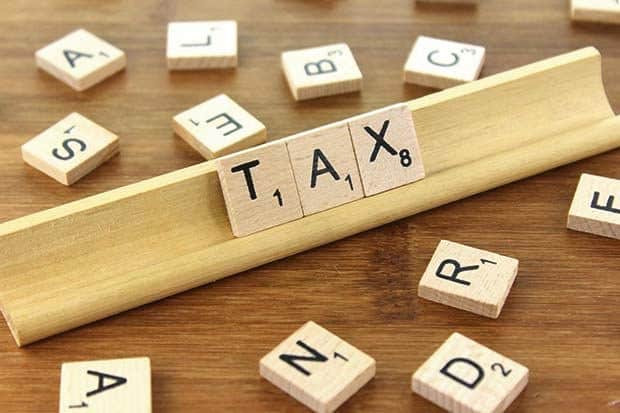
What Portugal’s government is giving in tax cuts for companies and families in one hand, it is taking in indirect taxes with the other, as tax revenues from VAT and other taxes will hit a maximum five-year high in the State Budget for 2026.
The government plans to continue to increase the burden of indirect taxes in a tendency seen since 2024 when Luís Montenegro took up his post as Portugal’s prime minister.
According to Público and forecasts for tax revenues for 2025 and 2026 included in the State Budget for 2026, the indirect tax burden will equal the 53.5% seen in 2021.
Indirect taxes accounted for 52.1% in 2024 and are expected to end this year at 52.9%.
Economists quoted by Público explain that successive governments have opted for “fiscal anesthesia” by raising indirect taxes, since these are less felt by citizens.
Last year alone, VAT (IVA), the main indirect tax and the State’s main source of tax revenue, yielded close to €24.2 billion to the central administration, representing almost 72% of tax revenue through this type of tax.
Indirect taxes have accounted for more than 50% of tax revenue since 2015, the newspaper also points out, with a peak of 54.5% being reached in 2019, when Mário Centeno was in charge of Portugal’s Ministry of Finance.
Source: Essential Business