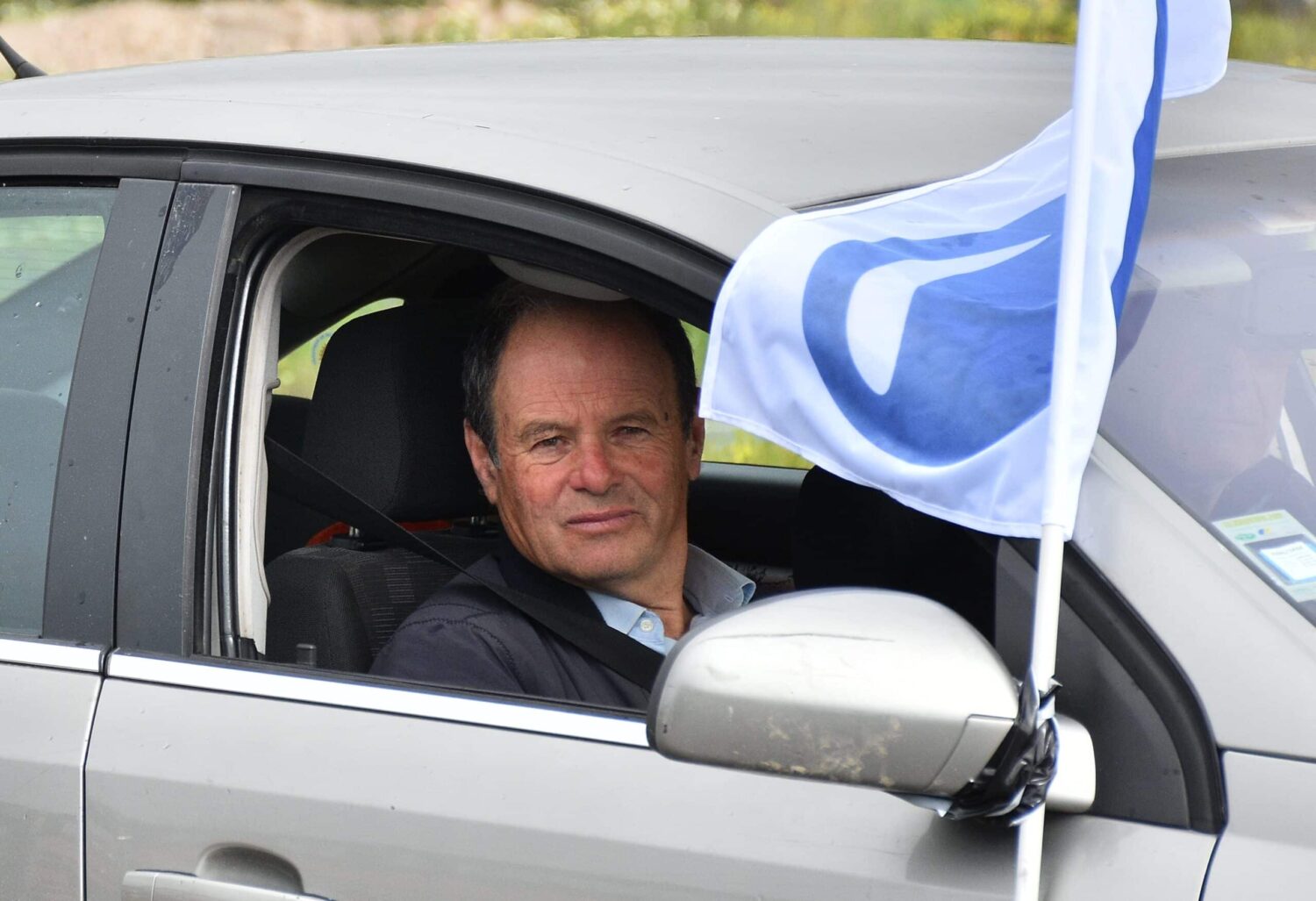
Macário Correia, president of Faro’s municipal assembly and a former mayor of the Algarve capital, has declared that Portuguese mayors and councillors “earn small change” and urged the government to reform the laws governing local elected officials and municipal financing.
Speaking at the 27th Congress of the National Association of Portuguese Municipalities (ANMP), held in Viana do Castelo, Macário Correia said the current system fails to reflect the responsibilities carried by local politicians. Addressing the government directly, he argued that the remuneration of mayors and councillors is out of step with reality and discourages capable people from entering local politics.
“A mayor or a councillor earns small change,” he said, noting that many potential candidates refuse to run for office because the law does not adequately compensate those who work “24 hours a day, seven days a week.” According to Correia, the issue has gone unaddressed for too long.
The politician, affiliated to the PSD social democrats, calls a full revision of the statute of local elected officials, describing current pay levels as “miserable wages.” But salaries were not his only concern. He also warned that the way local authorities are financed is unfair and risks deepening regional inequalities.
Correia cautioned that Portugal is increasingly divided between the coast and the interior. “From Chaves to Faro, inland Portugal moves at one pace. Along the coast, it moves at another,” he said, adding that this imbalance has worsened in recent years. Without positive discrimination in the Local Finance Law, he warned, mayors could one day be accused of being complicit in the decline of half the country.
The Faro assembly president also criticised the current local electoral system. He pointed out that around a quarter of mayors govern without a majority, which, in his view, makes it difficult to govern effectively.
“Those who are elected must be able to govern,” he said, calling for clearer rules that guarantee stability. He also questioned the logic of a system in which the most-voted candidate becomes mayor, while the president of the municipal assembly may not be the most-voted candidate. “This is not correct. We are misleading people,” he argued.
Correia further criticised post-election negotiations, claiming that political loyalties are often traded after local elections, damaging the reputation of politicians and raising ethical concerns. “People are bought and sold, leaving one party for another. This does not dignify political life,” he said, insisting that restoring dignity to local government requires a deep legislative overhaul.
How much do mayors and councillors truly earn?
In October, SIC Notícias published an article detailing how much mayors and councillors earn in Portugal, where the salaries of mayors and councillors depend on the size of the municipality and are indexed to the salary of the President of the Republic, currently set at €8,370.14 per month, excluding representation expenses.
- Lisbon and Porto: Mayors earn 55% of the presidential salary — about €4,603 per month, with representation expenses of roughly €1,381. This brings total gross monthly earnings to around €5,984. Councillors in these cities receive around €3,682, plus representation allowances of about €736, totalling roughly €4,418.
- Municipalities with 40,000 or more voters: Mayors earn 50% of the presidential salary (around €5,440 with allowances), and councillors about €4,017.
- Municipalities with between 10,000 and 40,000 voters: Mayors get 45% of the presidential salary – about €4,896 including allowances.
- Municipalities with fewer than 10,000 voters: Mayors earn 40% of the presidential salary – approximately €4,352 including allowances.