Loulé is celebrating the official classification of two new locally protected areas, bringing the municipality’s total to five protected sites of local scope – a national record.
The newly recognised areas are the Nave do Barão, now designated a Local Natural Reserve, and the Vale Telheiro Cave, classified as a Local Natural Monument. Both designations were published in the Diário da República state newspaper in January.
With these additions, Loulé now accounts for around 30% of all locally protected areas within the National Network of Protected Areas, the municipal council says in a statement to the press.
According to the municipality, the classifications strengthen legal protection, allowing the council to limit environmentally damaging activities, define conservation zones and better protect fragile ecosystems from degradation and overexploitation.
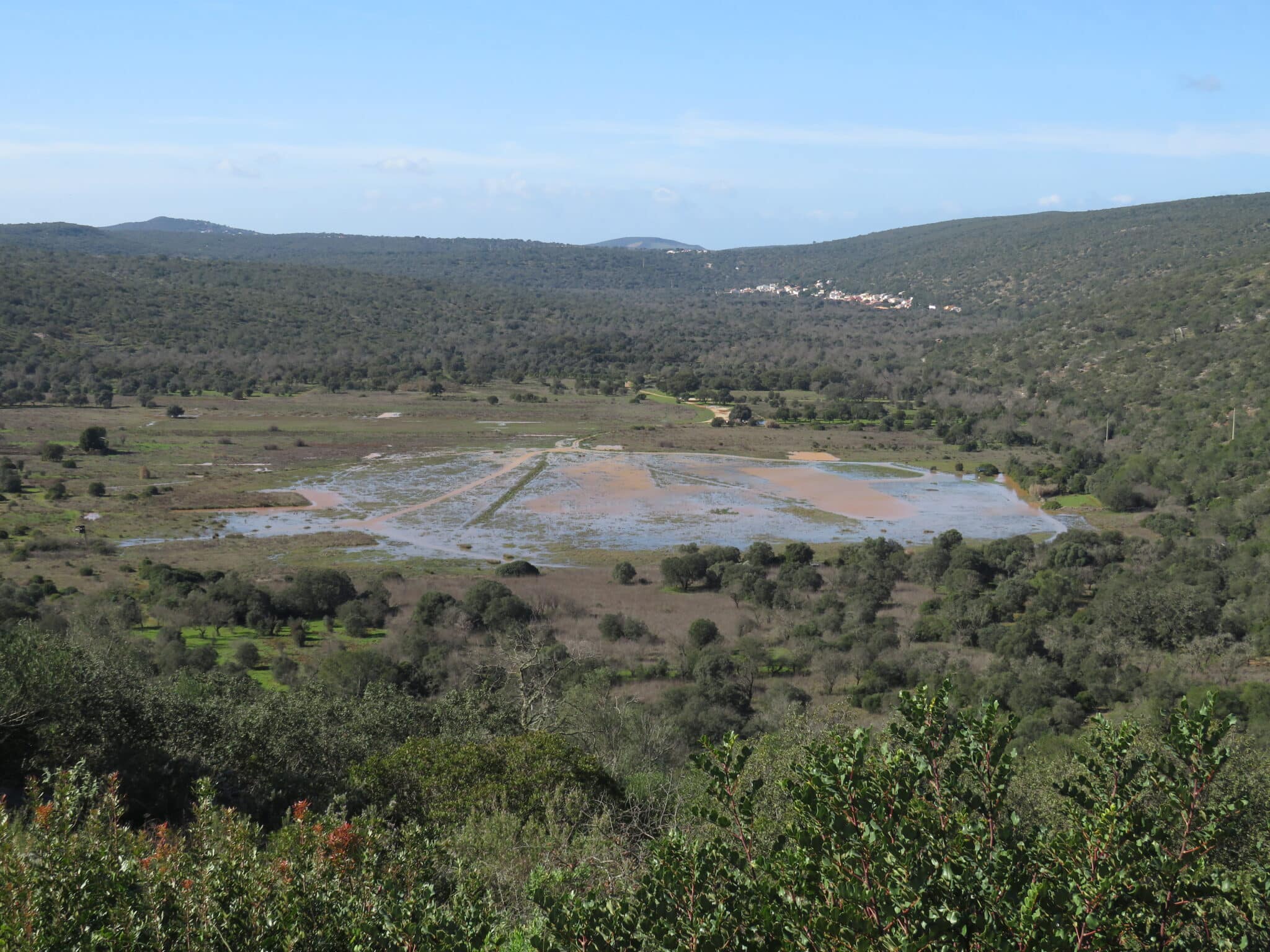
Located in the parishes of Salir and Tôr, the Nave do Barão Local Natural Reserve covers 788 hectares and forms part of the Natura 2000 Barrocal conservation area, as well as the Algarvensis Geopark.
The site is a rare karst polje (limestone basin) of national geological importance, home to at least nine protected habitats, four of them considered priority at European level. These include Mediterranean temporary ponds, limestone grasslands and semi-natural dry meadows, supporting hundreds of plant and animal species, many of them endemic or threatened.
At its heart lies the Nave do Barão Lagoon, one of Portugal’s largest Mediterranean temporary ponds and a habitat classified as vulnerable at European level, the council stresses.
Meanwhile, the Vale Telheiro Cave, in the parish of São Sebastião, covers 78.5 hectares and is also part of both Natura 2000 and the Algarvensis Geopark.
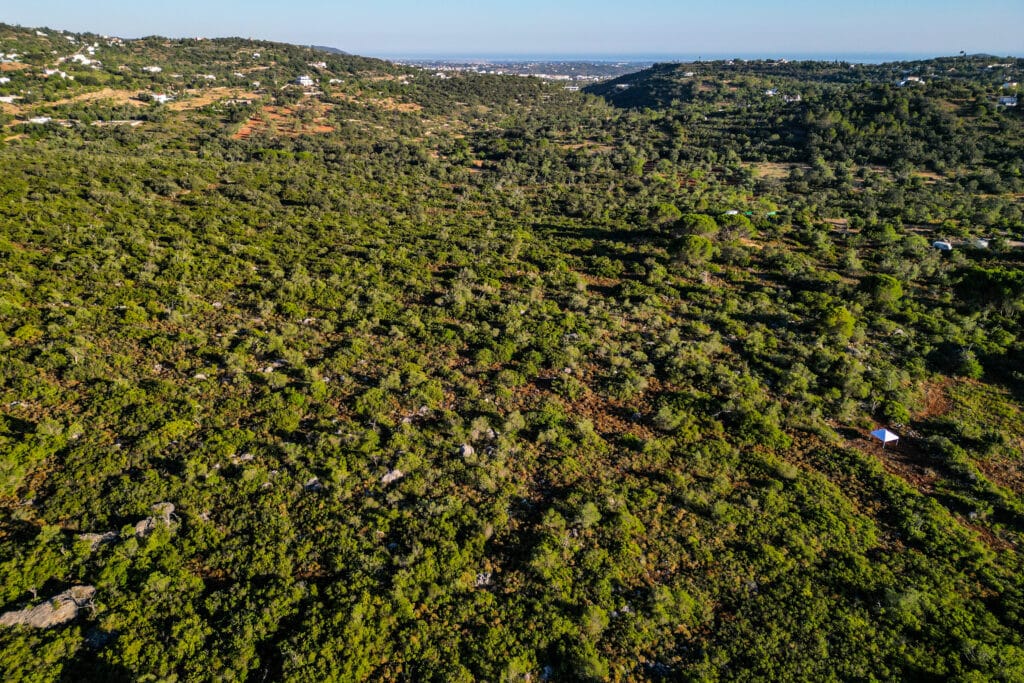
It is internationally recognised as Portugal’s only underground biodiversity hotspot, hosting more than “25 species adapted exclusively to cave life, some of which exist nowhere else on Earth”. Its extreme level of endemism gives the site exceptional scientific and conservation value, says the local authority.
The municipality adds that these classifications are only the beginning of a broader, long-term strategy to protect these areas alongside scientific bodies, advisory councils and local stakeholders.