For the first time, Portugal is implementing a price ceiling on medicines considered “essential and critical” next year, national medicines authority Infarmed announced this Friday.
The measure covers all drugs costing up to €30, instead of the previous €16 limit, and aims to prevent shortages and keep vital treatments financially sustainable.
“This measure aims to protect the lowest-cost medicines so that they can be available and, at the same time, it will bring savings for the State,” said Infarmed president Rui Santos Ivo, estimating the savings at around €50 million – a sum that can be invested in access to therapeutic innovation and in the sustainability of the SNS, he said.
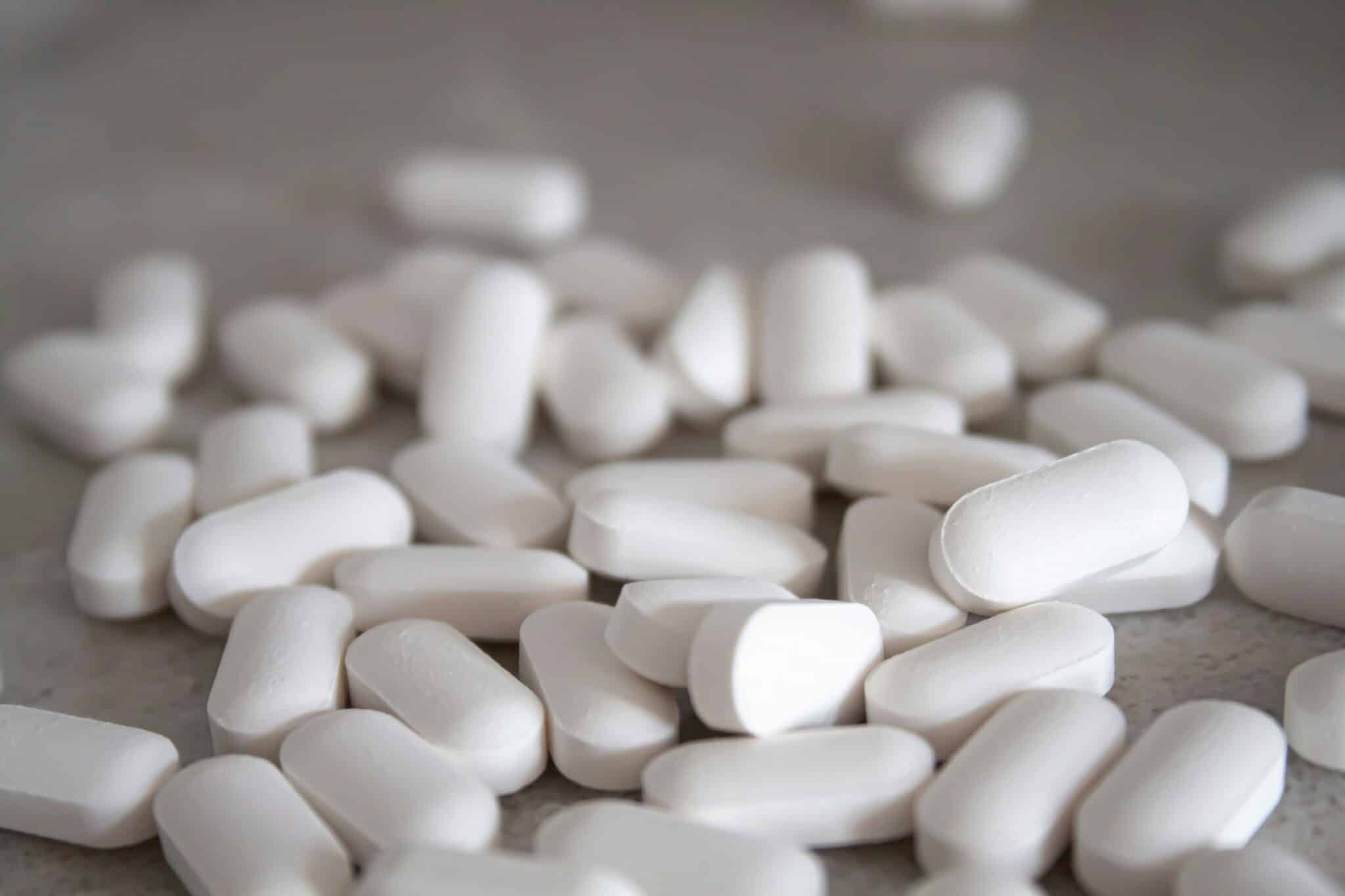
Common medicines that fall into this group include Metformin (anti-diabetic) and Paracetamol (analgesic).
In hospitals, drugs costing up to €75 – including cancer treatment Docetaxel and basic supplies like sodium chloride – will also remain exempt. Above that price, reductions are still allowed with no upper limit.
Some medicines, like injectable Azithromycin and Valproic acid, will stay out of the “essential” list and will follow normal rules.
Santos Ivo explained that Portugal’s annual price review compares national prices with those in Spain, France, Italy and Belgium. The system is designed to bring prices down gradually, preventing shocks that could unsettle the market or drive medicines out of circulation.
He stressed that stability is key, and by keeping predictable rules, the pharmaceutical industry is encouraged to keep investing in Portugal, bringing innovative treatments to patients.
Meanwhile, the freeze on price reviews for generic and biosimilar medicines will continue in 2026, to encourage new low-cost options to reach the market.
According to the Health Ministry’s decree, the system brings clear benefits by saving public money, reducing costs for families and helping fight shortages.