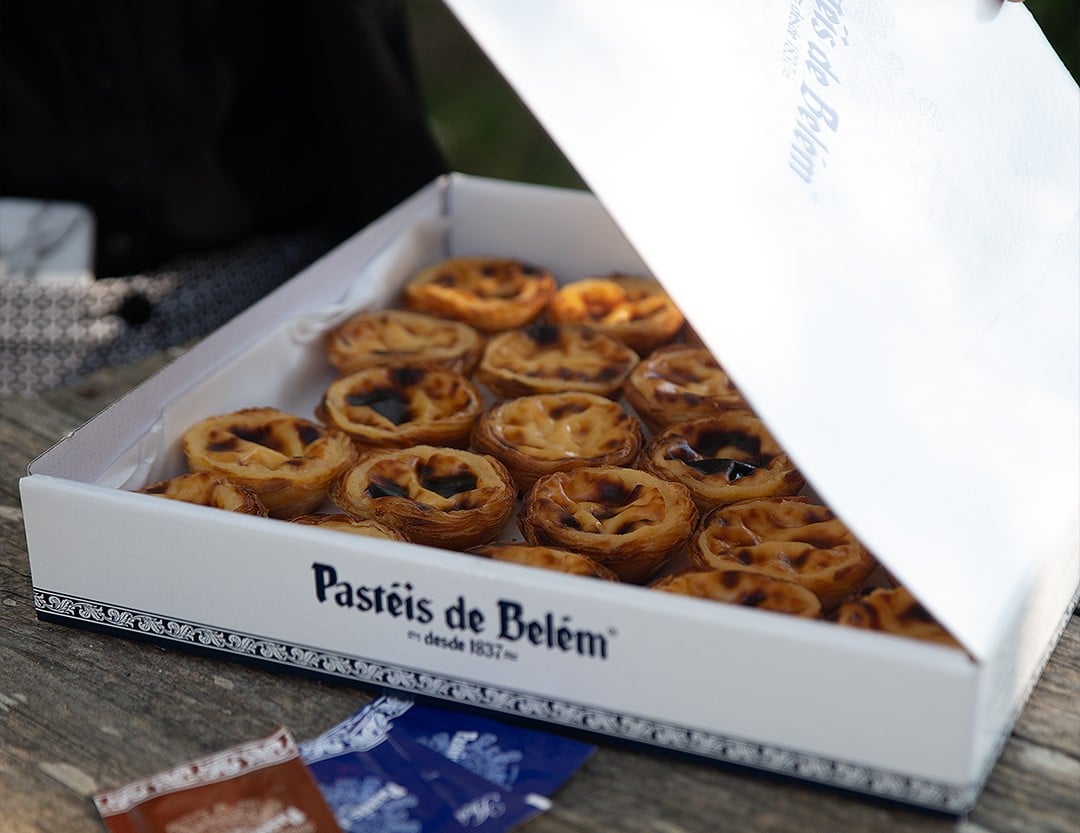
One of Portugal’s most beloved pastries – the pastel de Belém – has been elected the Best Sweet Pastry in the World for 2026 by TasteAtlas, an online food and travel guide that catalogues traditional foods, dishes, ingredients, cities and cuisines from around the world.
As the website points out, the ranking is based on the experiences of TasteAtlas users from around the globe who have actually tried the pastries they rate. “Our algorithms remove invalid votes, bots, and nationalist boosts, ensuring a clean and democratic result shaped only by real eaters,” it says.
The pastry, made at the iconic Pastéis de Belém pastry shop in Lisbon’s Belém neighbourhood, finished number one in the voting, with its pastry ‘cousin’ – the pastel de nata – following in third.
“Pastel de Belém is a traditional egg custard tart and a predecessor to the famous pastel de nata. The tarts are made with a pastry shell that’s filled with a combination of milk, eggs, sugar, lemon, and cinnamon. The first recipe for pastel de Belém dates back to 1837 when it was produced by the monks of the Jerónimos monastery,” TasteAtlas writes.
“Only the custard tarts produced at the Fábrica Pastéis de Belém can be called pastel de Belém, while all the others, produced by other patisseries in Lisbon are called pastel de nata. Regardless of the name, these tarts can be served hot or cold and in 2009, The Guardian listed pastel de Belém as one of the 50 ‘best things to eat’ in the world,” it explains.
But these pastries were not the only Portuguese delicacy to be the most voted item in their category.
Pão de Ló de Ovar was the top ranked Cake of TasteAtlas’ 2025/2026 Awards, its creamy sponginess delighting food lovers the world over.
“(It) may be the most famous Portuguese cake, dating back to the 18th century when it was made in convents by nuns. The earliest written evidence about this sponge cake dates back to 1781, in a book called Irmandade dos Passos, where it is said that pão de Ló de Ovar was a sweet offered to the priests who took the wooden framework to carry the statues in the Holy Week procession,” TasteAtlas says.
“This creamy sponge cake is traditionally made from eggs, sugar, and flour, and today, it is often seen at most food fairs in Portugal. The cake is popular throughout the country, not just in the municipality of Ovar, where it is traditionally produced.”
Portugal also shone in the category of Cooked Sausages, with its Alheira de Mirandela taking the top spot.
“This sausage is an irreplaceable ingredient in traditional Portuguese dishes such as açorda, cannelones, and pies, but it can also be served as a main dish with a side of potatoes or vegetables,” the experts at the online guide say.
“The filling for this traditional smoked delicacy is made by combining small pieces of meat and bread. This sausage is traditionally smoked using olive or oak wood, which gives it a unique flavour, aroma, and colour while enhancing the flavour of the spices. Mirandela sausage contains beef and pork meat along with fat, poultry meat, wheat bread, olive oil, and lard, and it’s flavoured and seasoned with salt, garlic, and sweet or hot paprika,” they add.
Overall, Portuguese gastronomy was named the fourth top cuisine in the world, beaten only by Italian, Greek and Peruvian.
The full lists of top-voted dishes, cities, regions and cuisines can be found online.